Knee Specialist Doctor
Looking for a knee specialist doctor? Learn about knee pain diagnosis and treatment for cartilage, ligament injuries, arthritis, and other knee conditions.
Knee pain has a way of creeping into every corner of your life — the morning stiffness, the hesitation before climbing stairs, the moment you stop doing the activities you love. If you're at the point where you're actively searching for a knee specialist doctor, that's your body telling you something important. Ignoring it almost always makes things worse.
Dr. Mohamed Ali Balharith, an orthopedic and trauma surgery consultant, has built a clinical reputation on delivering precise, patient-centered care for people dealing with exactly this kind of challenge. His approach combines advanced diagnostic tools with evidence-based treatment strategies — so you're not guessing, you're getting answers.
Causes of Knee Pain
- Osteoarthritis — Gradual wearing down of the cartilage inside the knee joint, extremely common in people over 45 and often made worse by excess body weight or years of high-impact activity.
- Ligament injuries — Tears or sprains in the ACL, PCL, or MCL, usually caused by sudden twisting motions, direct impact during sports, or an unexpected fall.
- Meniscus tears — The meniscus acts as a shock absorber between your thigh and shin bones. Tearing it — whether from a sports injury or simple awkward movement — causes localized pain, swelling, and a locking sensation in the joint.
- Patellar tendinitis — Inflammation of the tendon connecting your kneecap to your shinbone, often called "jumper's knee" and common in runners, basketball players, and cyclists.
- Bursitis — Swelling of the small fluid-filled sacs around the joint, leading to tenderness and warmth, often triggered by prolonged kneeling or repetitive stress.
- Gout and pseudogout — Crystal deposits forming inside the knee joint and causing sudden, intense pain episodes that can be mistaken for infection.
- Post-traumatic degeneration — Old injuries that were never properly treated eventually break down the joint structure over time, leading to chronic pain and instability.
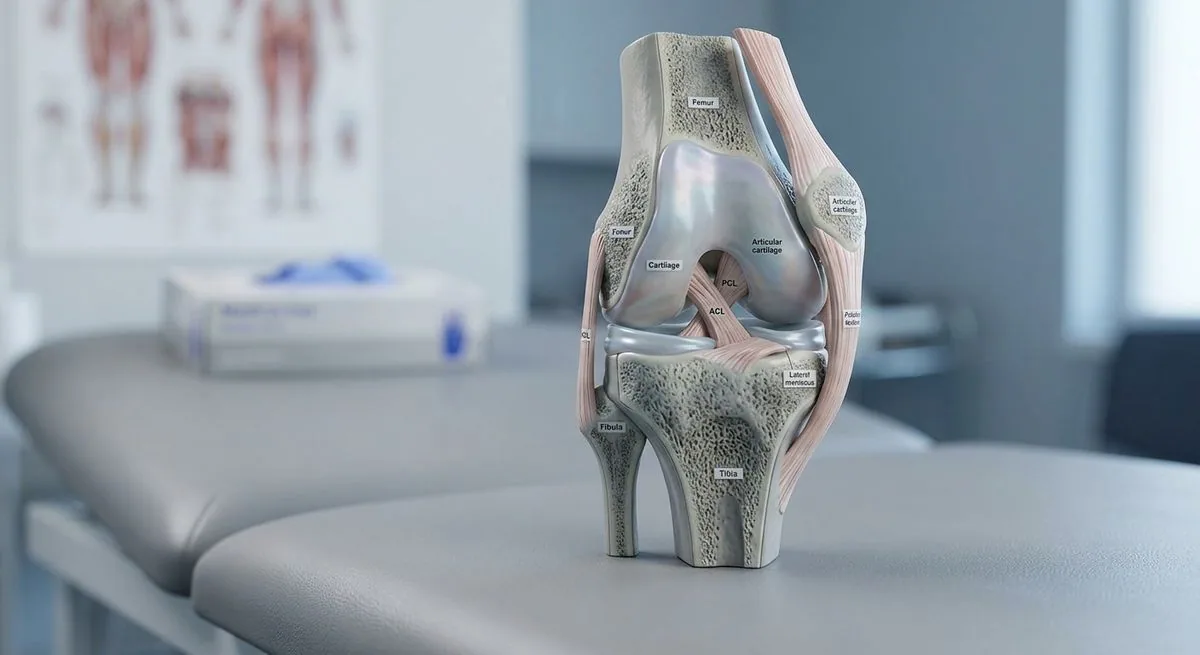
How Knee Pain Is Diagnosed
- Clinical physical examination — A thorough hands-on assessment where the doctor evaluates range of motion, tenderness points, swelling, and joint stability through specific manual tests.
- X-ray imaging — The first-line imaging tool for identifying bone deformities, joint space narrowing, fractures, and signs of advanced arthritis.
- MRI scanning — The gold standard for visualizing soft tissue structures including cartilage, ligaments, and the meniscus. Provides far greater detail than X-ray for diagnosing ligament tears and cartilage damage.
- Ultrasound — Particularly useful for assessing tendons, bursae, and detecting fluid accumulation in real time during movement.
- Blood tests — Essential when inflammatory or autoimmune conditions like rheumatoid arthritis or gout are suspected as underlying causes.
- Diagnostic arthroscopy — In cases where imaging leaves questions unanswered, a minimally invasive camera procedure can directly visualize the inside of the joint and sometimes treat the problem simultaneously.
Treatment Options for Knee Pain
- Physical therapy and rehabilitation — A structured program of targeted exercises to strengthen the muscles surrounding the knee, improve flexibility, and reduce mechanical stress on the joint.
- Anti-inflammatory medications — NSAIDs and other prescription medications to manage pain and reduce swelling, especially in the early or flare-up stages.
- Corticosteroid injections — Direct injection into the knee joint to reduce significant inflammation and provide meaningful pain relief, often allowing patients to engage properly in rehabilitation.
- Hyaluronic acid (viscosupplementation) injections — A treatment that replenishes the natural lubricating fluid inside the joint, particularly effective in mild to moderate osteoarthritis cases.
- PRP therapy (Platelet-Rich Plasma) — A regenerative approach using the patient's own blood components to stimulate tissue repair and reduce inflammation in the joint and surrounding structures.
- Arthroscopic surgery — Minimally invasive keyhole surgery to repair torn meniscus tissue, reconstruct ligaments, or remove damaged cartilage fragments interfering with joint movement.
- Partial or total knee replacement — When conservative and minimally invasive treatments no longer provide relief, joint replacement surgery restores function and eliminates pain for the long term.
When Knee Pain Becomes Dangerous
Most people underestimate how quickly a knee problem can escalate. Here's the thing — pain that started as mild background discomfort three months ago and has now become constant is not "just aging." That pattern signals progressive structural damage that is actively getting harder to treat the longer you wait.
Certain warning signs should push you to seek immediate evaluation. If your knee suddenly locks in one position and cannot be straightened, if you hear a loud pop followed by rapid severe swelling, or if you experience significant instability where the joint buckles under your weight — these are red flags that something has likely torn or broken inside the joint. Numbness, coolness, or discoloration of the leg accompanying knee pain can indicate vascular involvement, which is a medical emergency.
Chronic low-grade pain combined with night sweats, unexplained weight loss, or a history of cancer requires urgent investigation to rule out bone tumors. Most people walking around with these symptoms assume they'll "wait it out." They're the ones who end up needing far more aggressive intervention than if they'd acted at the first signal.
What a Knee Orthopedic Specialist Offers
- Comprehensive joint assessment using clinical and imaging tools tailored to the specific nature of your knee complaint
- Accurate differential diagnosis to distinguish between the many overlapping causes of knee pain — because treating the wrong condition wastes time and delays recovery
- Customized conservative management plans that prioritize non-surgical treatment wherever clinically appropriate
- Minimally invasive surgical expertise including arthroscopic procedures that reduce recovery time significantly compared to open surgery
- Joint replacement surgery performed with precision for patients where the joint has degenerated beyond conservative repair
- Post-operative rehabilitation coordination to ensure the recovery process is as fast and complete as possible
- Long-term follow-up care because managing knee health is not a single appointment — it's an ongoing relationship between patient and specialist
Who Is the Best Knee Specialist Doctor for You?
What's interesting here is that the "best" doctor is rarely the one with the fanciest title — it's the one who listens carefully, explains clearly, and builds a treatment plan specifically around your life and your goals. Dr. Mohamed Ali Balharith, as an orthopedic and trauma surgery consultant, exemplifies exactly that approach. His clinical training and hands-on surgical experience span the full spectrum of knee conditions, from sports injuries in young active patients to advanced degenerative joint disease in older adults.
Patients who visit Dr. Balharith's clinic consistently note that they leave with a clear picture of what's happening inside their knee, why it's happening, and what their options are — ranked by likelihood of success and aligned with their personal preferences. That kind of transparency builds trust, and trust is what makes treatment actually work. A knee specialist doctor who takes the time to explain your MRI findings in plain language and walk you through each option is worth more than a rushed consultation that ends with a generic prescription.
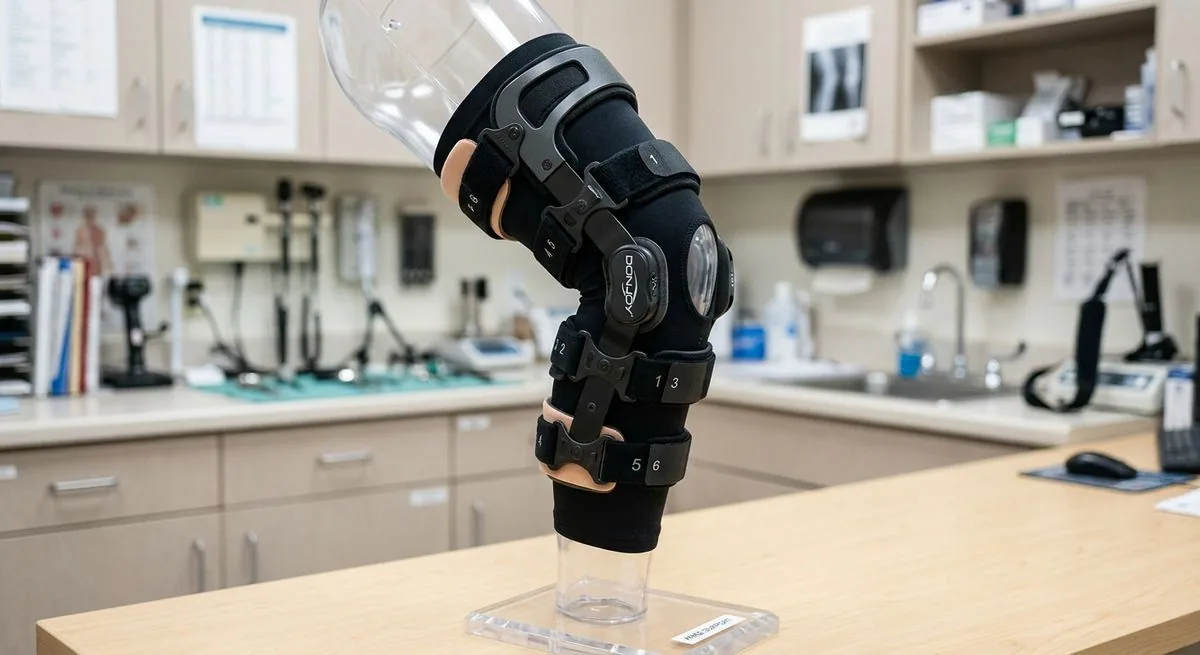
What Is the Difference Between a General Orthopedic Doctor and a Knee Orthopedic Specialist?
- Scope of practice — A general orthopedic doctor handles bone and joint conditions across the entire body, from the spine and shoulders to the ankles and wrists. A knee specialist focuses specifically and deeply on the anatomy, biomechanics, and surgical techniques relevant to the knee joint, which translates to significantly more refined expertise in that area.
- Surgical precision — A specialist who performs knee procedures daily develops a level of technical skill and familiarity with outcomes that a generalist who occasionally operates on knees simply cannot match. This matters enormously when the procedure involves reconstructing a ligament or resurfacing a joint.
- Up-to-date knowledge — Knee medicine evolves rapidly. Specialists attend knee-specific conferences, follow the latest research on cartilage regeneration and implant design, and integrate newer techniques into their practice far more quickly than a generalist who must stay current across every bone and joint in the body.
Related
questions
Ready to talk
about your joint?
Dr. Mohammed Ali Balhareth — consultant orthopedic surgeon specializing in hip & knee replacement, reconstruction, and trauma surgery in Riyadh.
WHATSAPP THE CLINIC ↗Dr. Sulaiman Al Habib Medical Group — Al Hamra Hospital
Sun, Tue, Wed · 4:00–8:00 PM