What Causes Bone Pain in the Body
Learn what causes bone pain, including vitamin D deficiency, arthritis, osteoporosis, injuries, and chronic conditions, with diagnosis and treatment options.
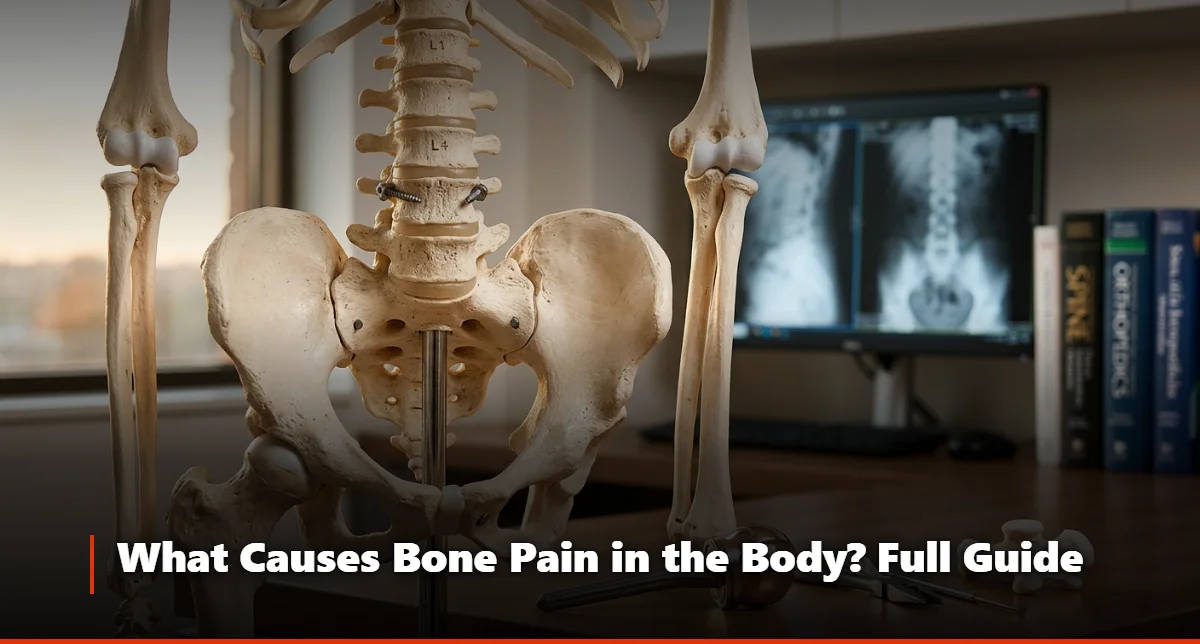
Bone pain is one of those complaints that people tend to dismiss — until it becomes impossible to ignore. Understanding what causes bone pain in the body is the first step toward getting real relief, and it matters far more than most people realize. The causes range from something as simple as a vitamin deficiency to conditions that require specialist intervention right away.
For anyone dealing with persistent or unexplained skeletal discomfort, finding the right expertise is essential. Dr. Mohammed Ali Balhareith, an orthopedic surgery and trauma consultant, offers patients a grounded, evidence-based approach to identifying and treating the underlying causes of bone pain throughout the body — not just masking the symptoms.
What Causes Bone Pain in the Body
So what causes bone pain in the body, really? The answer isn't always straightforward, and that's what makes this topic genuinely complex. One of the most frequent culprits is nutritional deficiency — particularly low levels of vitamin D and calcium. Without adequate vitamin D, the body cannot absorb calcium efficiently, which leads to softening of the bones (a condition called osteomalacia in adults) and a dull, widespread aching that many people mistake for muscle soreness.
Beyond nutrition, infection is a serious and often underappreciated cause of bone pain throughout the body. Osteomyelitis — a bacterial infection of the bone — can develop after an injury, surgery, or through the bloodstream. It produces intense, localized pain accompanied by fever and swelling. Bone tumors, both benign and malignant, are another category that demands attention. Primary bone cancer and metastatic cancer (which spreads to bones from other organs like the breast or prostate) are known to produce some of the most severe skeletal pain a person can experience.
Anemia, particularly sickle cell anemia, can also trigger what are known as pain crises — episodes where blood flow to bone tissue is blocked, causing excruciating aches across multiple sites simultaneously. Osteoporosis, the gradual loss of bone density, doesn't cause pain on its own until a fracture occurs, but those fractures can happen with minimal trauma and generate significant, long-lasting discomfort.
How Is Bone Pain Diagnosed?
- A thorough physical examination assessing tenderness, swelling, and range of motion around the affected bones
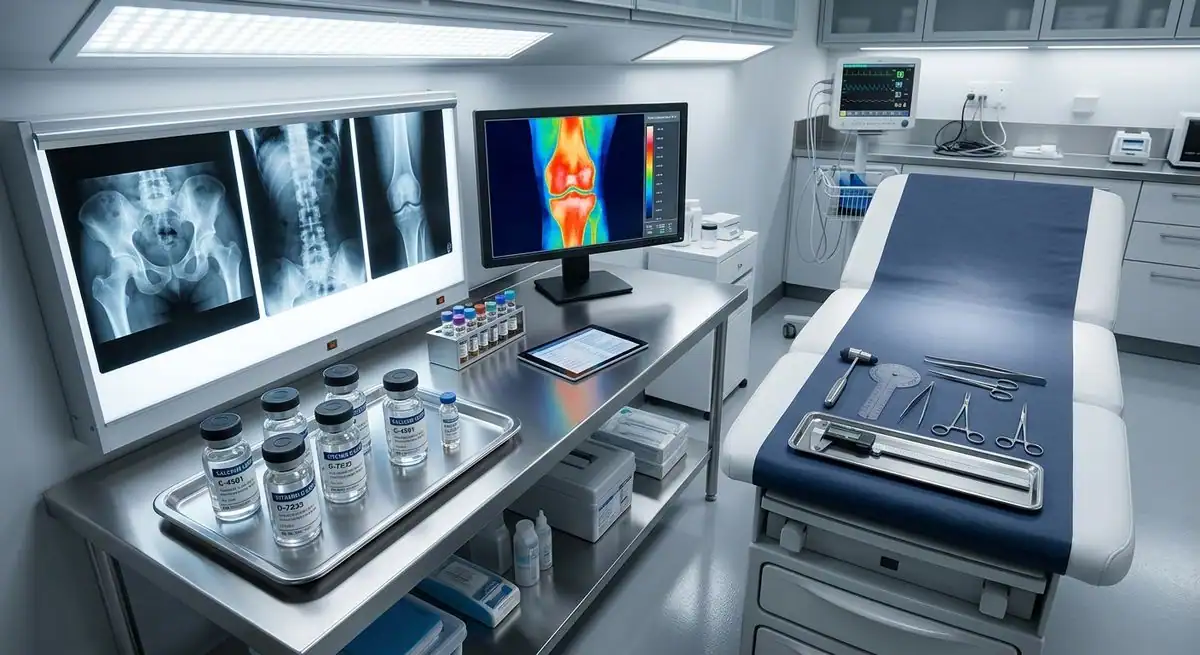
- Blood tests to check calcium, phosphorus, vitamin D, alkaline phosphatase, and inflammatory markers like CRP and ESR
- X-rays, which remain the first-line imaging tool for detecting fractures, bone lesions, and density changes
- MRI scans for detailed soft tissue and bone marrow evaluation, especially when tumors or infection are suspected
- CT scans to produce cross-sectional images that reveal structural bone abnormalities with precision
- Bone density scans (DEXA scans) to measure bone mineral density and assess osteoporosis risk
- Nuclear bone scans using radioactive tracers to identify areas of abnormal bone activity, particularly useful in cancer staging
- Biopsy of bone tissue when a tumor or infection cannot be confirmed through imaging alone
Treatment for Bone Pain
Treatment always depends on what's driving the pain — which is exactly why getting an accurate diagnosis first is non-negotiable. For nutritional deficiencies, high-dose vitamin D supplementation combined with dietary adjustments can produce noticeable improvement within weeks. Calcium supplementation is often prescribed alongside it, and patients frequently report a significant reduction in the widespread aching that had been dragging down their quality of life.
When infection is the cause, antibiotics — sometimes delivered intravenously for serious cases — are the primary treatment, with surgery occasionally required to remove infected bone tissue. Cancer-related bone pain is managed through a combination of radiation therapy, targeted medications called bisphosphonates (which reduce bone breakdown), and pain management protocols tailored to the patient's overall oncology plan.
For conditions like osteoporosis, treatment focuses on slowing further bone loss through medications such as bisphosphonates, denosumab, or hormone therapy, along with supervised exercise programs to strengthen the skeletal system. Dr. Mohammed Ali Balhareith emphasizes that a tailored treatment plan — one that accounts for the patient's full medical picture — consistently produces better outcomes than generic protocols.
How Can Bone Pain Be Prevented?
- Maintain adequate vitamin D levels through safe sun exposure, fortified foods, and supplementation when blood levels are low
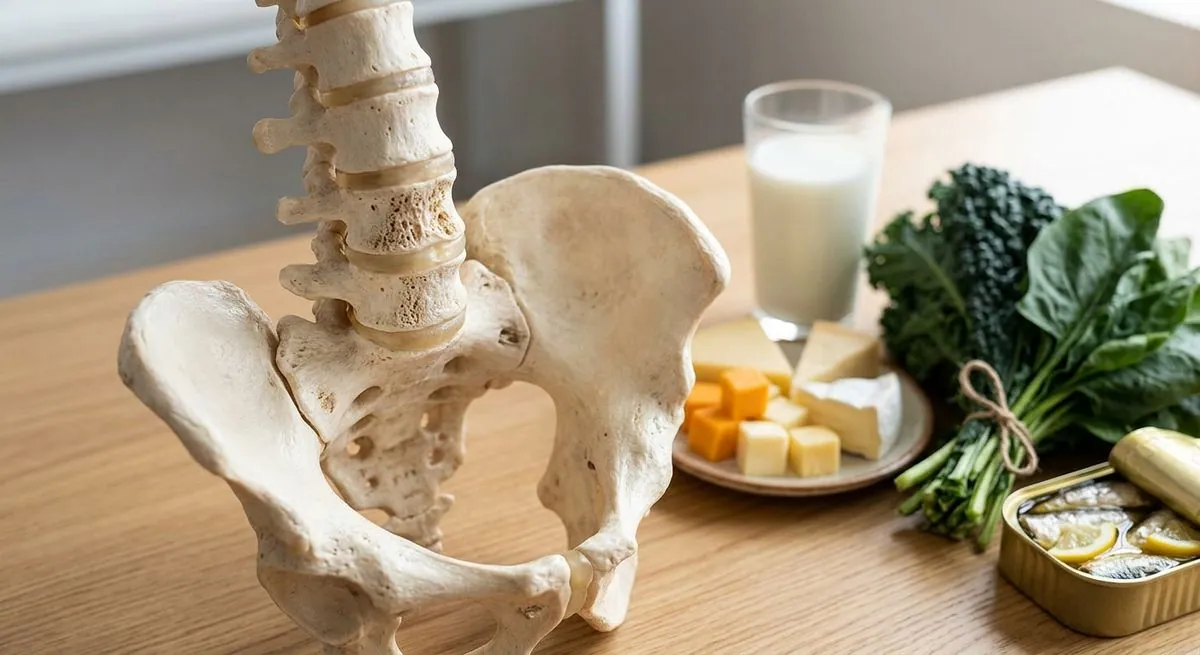
- Consume a calcium-rich diet daily — dairy products, leafy greens, and fortified plant milks are reliable sources
- Exercise regularly with weight-bearing activities like walking, jogging, or resistance training to stimulate bone density maintenance
- Avoid smoking, which accelerates bone loss and impairs blood supply to skeletal tissue
- Limit excessive alcohol consumption, as it interferes with calcium absorption and bone remodeling
- Get periodic bone density screenings, especially after age 50 or if you have a family history of osteoporosis
- Treat underlying medical conditions promptly — autoimmune diseases, hormonal imbalances, and kidney disorders all affect bone health when left unmanaged
- Wear protective gear during physical activity and sports to reduce the risk of fractures that can trigger chronic bone pain
Medications Related to Bone Pain
- NSAIDs (Non-Steroidal Anti-Inflammatory Drugs): Ibuprofen and naproxen reduce inflammation and provide short-term pain relief for mild to moderate bone aching
- Bisphosphonates: Medications like alendronate and zoledronic acid slow bone loss and reduce fracture-related pain in osteoporosis and cancer patients
- Denosumab: A monoclonal antibody that inhibits bone breakdown, used for osteoporosis and bone metastases
- Vitamin D and calcium supplements: First-line treatment when deficiency is confirmed as the cause of bone pain in the body
- Calcitonin: A hormone-based medication that helps regulate calcium and can reduce bone pain, particularly in osteoporotic fractures
- Corticosteroids: Used short-term for inflammatory bone conditions, though prolonged use paradoxically worsens bone density
- Opioid analgesics: Reserved for severe cancer-related bone pain when other medications are insufficient, always under specialist supervision
- Antibiotics: Targeted therapy for osteomyelitis, chosen based on culture results to match the specific infecting organism
Causes of Bone Pain in Women
- Hormonal changes during menopause that accelerate bone density loss and cause widespread skeletal discomfort
- Pregnancy and postpartum calcium demands that temporarily deplete maternal bone stores, leading to aching in the pelvis, spine, and lower limbs
- Polycystic ovary syndrome (PCOS), which is associated with vitamin D deficiency and metabolic changes that affect bone health
- Endometriosis, which can involve bone lesions in rare but documented cases, causing localized pain that is difficult to diagnose
- Autoimmune conditions like rheumatoid arthritis and lupus, which are more prevalent in women and directly attack bone and joint tissue
- Iron deficiency anemia, common in women of reproductive age, which can contribute to generalized bone and muscle fatigue
- Thyroid disorders — both hypothyroidism and hyperthyroidism affect bone turnover and can lead to pain and increased fracture risk
Symptoms That Accompany Bone Pain
- Localized tenderness when pressure is applied directly to the painful area
- Swelling or visible deformity around the affected bone
- Warmth and redness over the skin near an infected or inflamed bone
- Fatigue and general malaise, particularly when infection or cancer is the underlying cause
- Stiffness and reduced range of motion in nearby joints
- Nighttime pain that worsens when lying still, which is a hallmark of certain bone conditions including tumors
- Unexplained weight loss accompanying skeletal pain, which is a significant red flag requiring immediate evaluation
- Muscle weakness near the painful site, especially in cases involving nerve compression from bone lesions
When Does Bone Pain Become Dangerous?
Here's the thing — not all bone pain carries the same urgency. Mild, temporary aching after physical overexertion is generally nothing to worry about. But certain patterns of bone pain are serious warning signs that demand prompt medical evaluation, and dismissing them can have life-altering consequences.
Pain that is severe, constant, and worsening without a clear mechanical cause is always concerning. If the pain is accompanied by unexplained weight loss, persistent fever, or night sweats, those are classic signs that something systemic — potentially malignant — may be at work. Bone pain that develops after a minor impact and turns out to be a fracture suggests underlying osteoporosis or a weakened bone structure caused by a pathological lesion.
As a specialist in orthopedic surgery and trauma, Dr. Mohammed Ali Balhareith consistently stresses that pain following trauma — even trauma that seems minor — should never be self-managed for extended periods. A hairline fracture left untreated can become a complete fracture. An infection that isn't caught early can spread and destroy surrounding bone permanently.
Tips to Avoid the Causes of Bone Pain
- Get your vitamin D and calcium levels tested annually, especially if you spend limited time outdoors
- Prioritize sleep — bone remodeling and repair happen primarily during deep sleep cycles
- Stay hydrated, since dehydration affects mineral transport in the body and can worsen musculoskeletal discomfort
- Build a consistent exercise routine that includes both cardio and strength training, adapting it to your age and health status
- Listen to pain signals — do not push through unexplained bone aching the way you might push through muscle soreness after a workout
- Maintain a healthy body weight; excessive weight increases mechanical stress on bones, while being underweight reduces protective bone density
- Address hormonal imbalances with your doctor before they silently erode your bone health over months or years
- Avoid prolonged use of medications that are known to reduce bone density, such as corticosteroids, without medical supervision
The Best Doctor for Treating the Causes of Bone Pain in the Body
When it comes to understanding and treating the causes of bone pain in the body, the quality of the specialist you see makes an enormous difference. General practitioners can handle initial assessments, but complex or persistent bone pain requires someone whose entire focus is the skeletal system and its pathologies.
Dr. Mohammed Ali Balhareith brings deep expertise as an orthopedic surgery and trauma consultant to every patient case. What sets this kind of specialist apart isn't just the credentials — it's the diagnostic precision that comes from years of evaluating bone conditions across their full spectrum, from nutritional deficiencies to post-traumatic complications to oncological cases. Patients who come in confused about why their bones ache leave with a clear diagnosis and a structured plan.
What's interesting here is that many people wait far too long before seeing an orthopedic specialist, often spending months cycling through general pain medications without getting to the root cause. The right specialist will run the appropriate imaging, order targeted bloodwork, and interpret findings within the full context of a patient's medical history — rather than treating every case as a vitamin deficiency by default.
Related
questions
Ready to talk
about your joint?
Dr. Mohammed Ali Balhareth — consultant orthopedic surgeon specializing in hip & knee replacement, reconstruction, and trauma surgery in Riyadh.
WHATSAPP THE CLINIC ↗Dr. Sulaiman Al Habib Medical Group — Al Hamra Hospital
Sun, Tue, Wed · 4:00–8:00 PM