Ankle Ligament Tears and Their Treatment
Few injuries catch people off guard quite like a sudden ankle twist — one wrong step on uneven ground and you feel that sharp, sickening snap. Ankle ligament tears and their treatment are among the most common concerns that bring patients into orthopedic clinics, yet most people genuinely don't understand what has happened inside their joint or what the recovery road looks like.
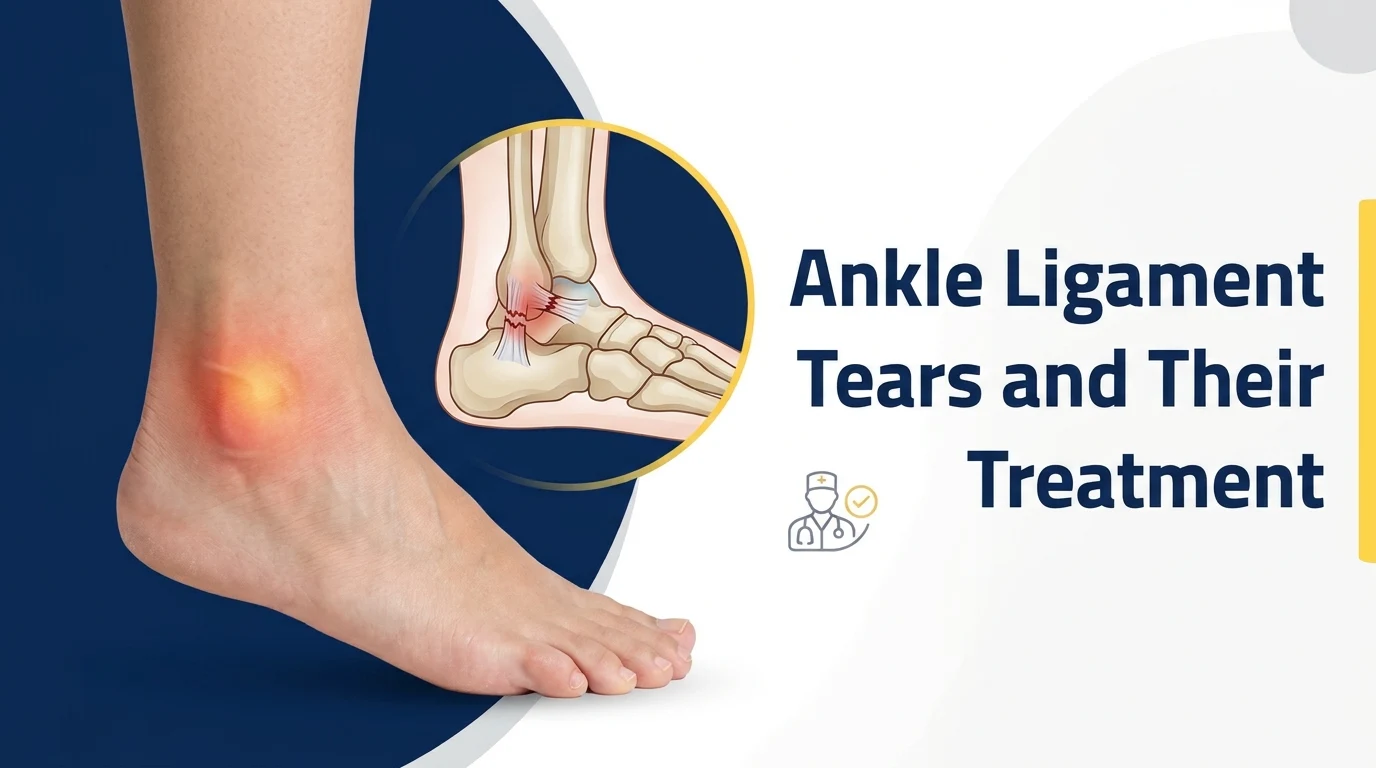
Few injuries catch people off guard quite like a sudden ankle twist — one wrong step on uneven ground and you feel that sharp, sickening snap. Ankle ligament tears and their treatment are among the most common concerns that bring patients into orthopedic clinics, yet most people genuinely don't understand what has happened inside their joint or what the recovery road looks like. Getting that picture clear from the start makes an enormous difference in how well — and how quickly — you heal.
Understanding the full scope of this injury matters more than most people realize, because the decisions made in the first 48 hours can either speed recovery or set it back by weeks. Dr. Mohammed Ali Balharith, a consultant in orthopedic surgery and trauma, works with patients at every stage of this injury — from the initial diagnosis through rehabilitation — providing the kind of evidence-based, individualized care that produces real results.
What Is a Ligament Tear?
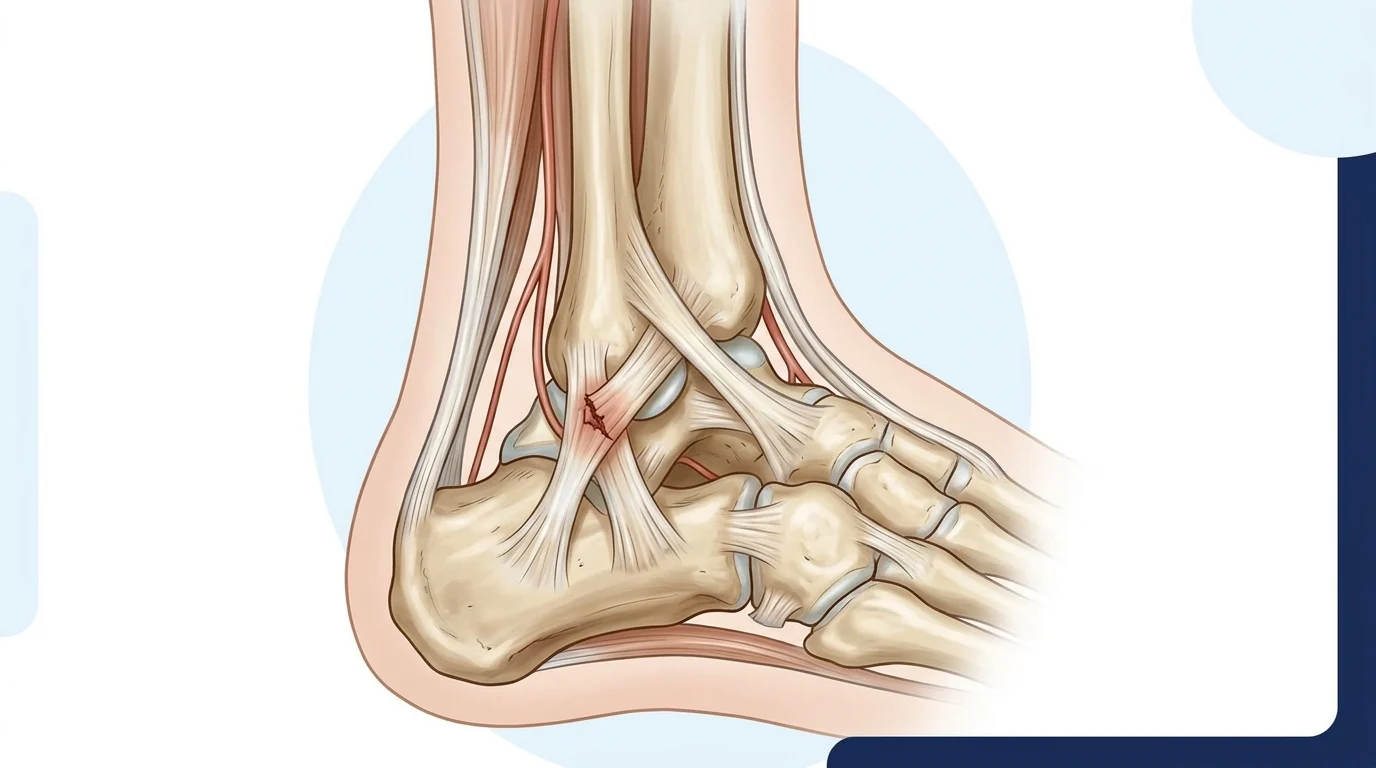
Ligaments are the tough, fibrous bands of connective tissue that hold bones together at a joint, controlling how far the joint moves and in which direction. They are not elastic like rubber bands — they have a limited amount of stretch, and when that limit is exceeded, the tissue tears. In the ankle, several ligaments work together to stabilize the joint, and the lateral group on the outer side of the ankle is by far the most frequently injured.
What's interesting here is that a ligament tear is not simply a bruised or strained structure — it represents actual structural disruption of tissue fibers. Depending on how many fibers are torn and whether the ligament has separated completely, the injury falls into one of three clinical grades. This distinction is not just medical jargon; it directly governs how long recovery takes, whether surgery is needed, and what physical therapy will look like. The cause of severe joint pain after an ankle injury is almost always rooted in this tissue damage and the immediate inflammatory response that follows.
Grades of Ligament Tears
Grade one is the mildest form, where only a small percentage of the ligament fibers are torn. The joint remains stable, pain and swelling are present but manageable, and most people with a grade one injury can return to normal activity within one to three weeks with appropriate care.
Grade two represents a partial tear — a significant portion of the fibers have been disrupted, the joint shows some instability when tested, and swelling along with bruising is usually pronounced. This grade requires more structured treatment and a longer recovery window. Grade three is a complete rupture: the ligament is fully torn, the joint loses its normal restraint, and without proper treatment there is a real risk of developing chronic ankle instability. This is the grade most likely to raise the question of whether surgical intervention is necessary, and it is the level of injury where consulting an experienced orthopedic specialist like Dr. Mohammed Ali Balharith becomes genuinely important rather than optional.
Causes of Ligament Tears
- Sudden twisting or rolling of the ankle inward during sports such as football, basketball, or running on uneven terrain.
- Landing incorrectly after a jump — a very common mechanism in volleyball and basketball players.
- Tripping or stumbling on an uneven surface, a curb, or a pothole during everyday walking.
- Wearing footwear with inadequate support, particularly high heels, which destabilizes the ankle before any external force is even applied.
- Previous ankle injuries that were not fully rehabilitated, leaving the joint with weakened ligaments and poor proprioception — this is one of the most underappreciated causes of severe joint pain in active individuals.
- Trauma from road accidents or falls from height, which often results in higher-grade injuries and may accompany bone fracture treatment needs when associated fractures are present.
- Hypermobility conditions or general ligament laxity, which increase the risk of ligament disruption even during low-energy activities.
Symptoms of Ankle Ligament Tears and Their Treatment
Recognizing the symptoms early is genuinely half the battle, because the right response in the first hours after injury sets the tone for everything that follows. The symptom picture of ankle ligament tears and their treatment overlap — meaning that identifying what you feel also points toward what should happen next.
Sudden, Sharp Pain at the Affected Joint
The pain that comes with a ligament tear is hard to misread. It arrives immediately at the moment of injury, often described as a burning or tearing sensation at the side of the ankle. Unlike muscle soreness that develops hours after activity, this pain is instant and localizes precisely to the joint. What most people overlook is that the intensity of pain does not always predict the severity of the tear — some grade three complete ruptures are initially less painful than partial tears, because the nerve endings in the completely torn tissue may no longer be under tension.
Obvious Swelling Around the Affected Area
Swelling begins within minutes and can become quite dramatic within the first hour. This is the body's inflammatory cascade doing exactly what it is designed to do — flooding the area with fluid and immune cells to begin the repair process. The swelling serves a purpose, but it also increases pain and limits movement, which is why early management matters. Elevating the limb and applying ice helps control the volume of swelling without suppressing the healing biology entirely.
Weakness in Joint Movement and Difficulty Moving It
Once swelling sets in and pain kicks up, the natural response is to guard the ankle and avoid moving it. But there is also a more direct cause of movement limitation: when ligaments are torn, the joint loses some of its mechanical guidance, and the surrounding muscles reflexively tighten to compensate. This guarding is protective in the short term, but it can contribute to stiffness and muscle weakness if the joint is immobilized for too long without structured rehabilitation. The cause of body bone pain that patients sometimes report around the ankle after a ligament injury is often this combination of joint stress and compensatory muscle tension.
Bruising Around the Joint
Bruising — the visible discoloration from bleeding beneath the skin — typically appears 24 to 48 hours after the injury rather than immediately. It tends to track downward with gravity, which is why patients sometimes notice bruising along the bottom of the foot rather than directly at the injury site. The spread and intensity of bruising gives clinicians useful information about how much tissue disruption has occurred. In the context of ankle ligament tear treatment, bruising that extends significantly or does not resolve within two weeks warrants a follow-up evaluation to rule out associated injuries.
Recovery Time for Ligament Tears
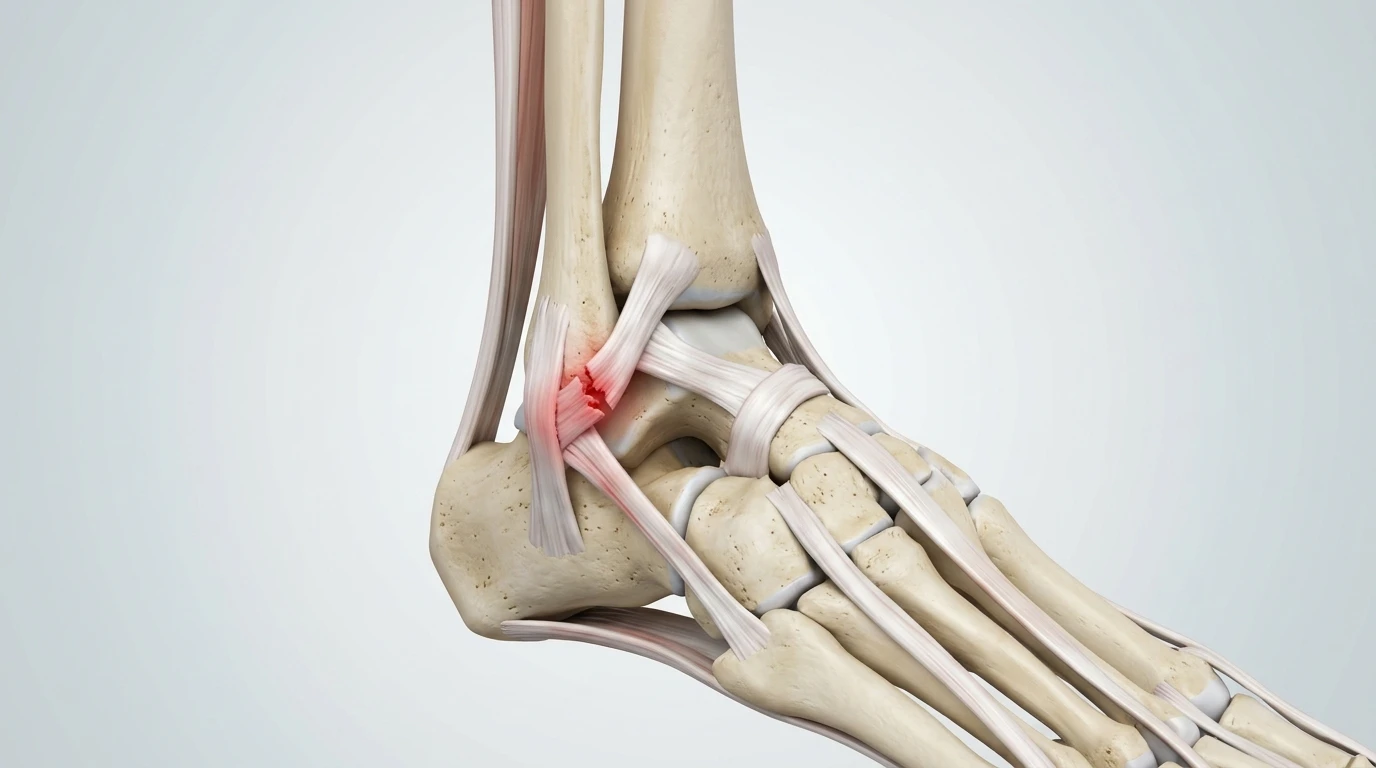
Ankle ligament tear recovery time is one of the first questions patients ask — and the honest answer is that it varies considerably depending on grade, treatment quality, and the individual's overall health. A grade one injury typically resolves in one to three weeks. Grade two injuries generally require four to six weeks before the patient can return to full activity. Grade three tears, especially when managed conservatively, may take three to six months.
Here's the thing that most people don't account for: recovery time is not just about when the pain stops. Pain often subsides well before the ligament has regained its full structural strength. Returning to sport or demanding physical activity before the tissue has truly healed is the single most common reason for re-injury and eventual chronic ankle instability. The ankle ligament tear recovery time should be measured by functional milestones — balance, strength, and controlled movement — not just by the absence of discomfort.
Treatment of Ligament Tears
Treatment follows a logical progression based on injury grade and how the patient responds at each stage. Dr. Mohammed Ali Balharith emphasizes that the best outcomes come from matching the treatment intensity to the injury severity — neither under-treating a serious tear nor over-medicalizing a minor one.
Medications
In the early phase, anti-inflammatory medications — typically non-steroidal anti-inflammatory drugs (NSAIDs) — are used to manage pain and reduce the inflammatory swelling enough to allow early movement. These are not a cure; they are a tool that buys comfort while the real healing happens at the tissue level. For more severe pain, short-term analgesics may be prescribed under medical supervision. Medications are always paired with physical measures like RICE (rest, ice, compression, elevation) in the acute phase.
Surgery
Surgical repair is not the first line of treatment for most ankle ligament tears, but it becomes the appropriate choice in specific situations. Complete grade three ruptures that do not respond to conservative management, chronic instability from repeated injuries, or cases where a ligament tear accompanies a significant bone injury — these are the scenarios where surgery makes clinical sense. Procedures range from direct ligament repair to ligament reconstruction using graft tissue. As a consultant in orthopedic surgery and trauma, Dr. Mohammed Ali Balharith assesses each case individually, using imaging and functional testing to determine whether surgical intervention will produce a better long-term outcome than continued conservative care.
Physical Therapy
Physical therapy is arguably the most important component of recovery — including for patients who have had surgery. A structured rehabilitation program addresses proprioception training (retraining the ankle's positional awareness), progressive strengthening of the muscles that support the joint, and gradual reintroduction of sport-specific movement patterns. Skipping or shortening physical therapy is the most reliable predictor of re-injury. The parallels here with knee cartilage tear and treatment rehabilitation are striking — in both cases, the tissue may heal but the joint function only returns fully when the surrounding musculature is retrained properly.
Understanding ankle ligament tears and their treatment is essential for achieving proper recovery and preventing repeated injuries. The right treatment depends on the severity of the tear and may include medication, physical therapy, or surgery when necessary. Early diagnosis and a structured rehabilitation plan can help restore joint stability and mobility. If you're experiencing ankle pain, swelling, or instability, contact Dr. Mohammed Ali Balharith, Consultant in Orthopedic Surgery and Trauma, for a professional assessment and a treatment plan tailored to your condition.
Related
questions
Ready to talk
about your joint?
Dr. Mohammed Ali Balhareth — consultant orthopedic surgeon specializing in hip & knee replacement, reconstruction, and trauma surgery in Riyadh.
WHATSAPP THE CLINIC ↗Dr. Sulaiman Al Habib Medical Group — Al Hamra Hospital
Sun, Tue, Wed · 4:00–8:00 PM