Best Orthopedic Consultant in Riyadh
Learn how to choose the best orthopedic consultant in Riyadh, explore orthopedic specialties and treatment options, and discover when to seek expert care.
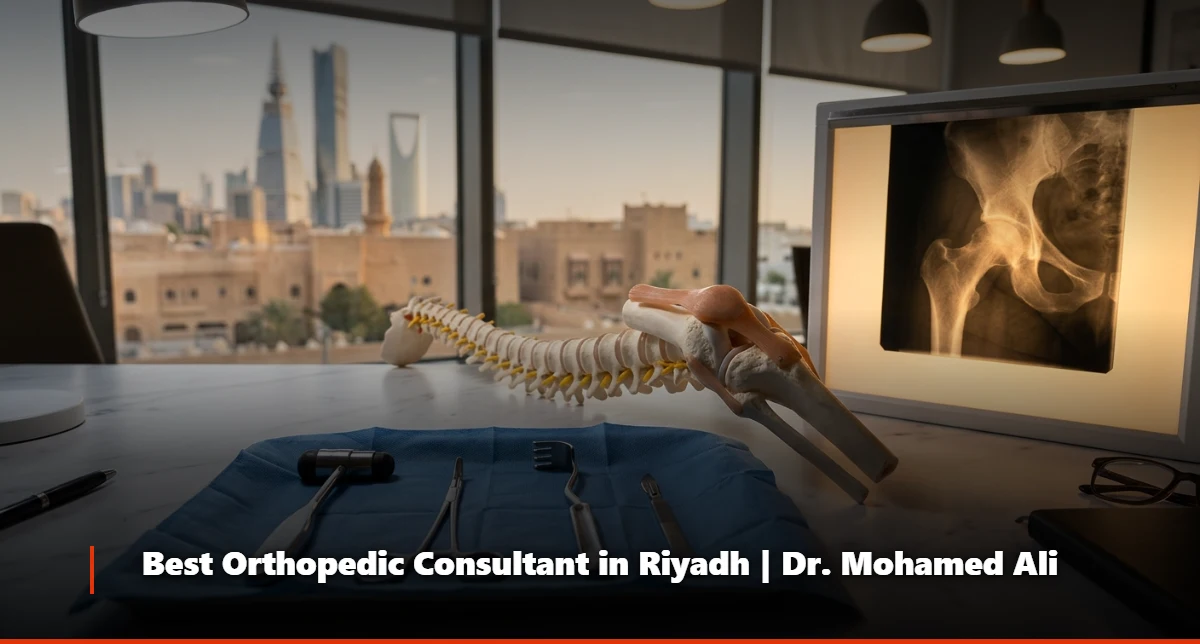
Finding the best orthopedic consultant in Riyadh is not just about picking a name from a list — it is about trusting someone with your ability to walk, move, and live without pain. Whether you are dealing with a sudden fracture, a long-standing joint problem, or a sports injury that simply will not heal, the quality of your specialist matters enormously. The right consultant does not just treat the symptom; they understand the full picture of your musculoskeletal health.
Dr. Mohamed Ali Balharith is a recognized orthopedic and trauma surgery consultant whose practice is built on careful diagnosis, patient education, and evidence-based treatment. His work covers the full spectrum of bone and joint conditions, from complex fractures to degenerative diseases, and his approach consistently puts the patient's long-term recovery first.
What Conditions Does an Orthopedic Consultant Treat?
- Fractures of all types, including compound and stress fractures
- Osteoarthritis and rheumatoid arthritis affecting the knees, hips, and shoulders
- Ligament tears, including ACL and MCL injuries
- Tendon injuries such as rotator cuff tears and Achilles tendon ruptures
- Spinal disc herniation and vertebral compression fractures
- Carpal tunnel syndrome and other nerve entrapment conditions
- Bone tumors and cysts requiring surgical evaluation
- Congenital limb deformities and developmental skeletal problems
- Trauma-related injuries from road accidents, falls, and workplace incidents
- Osteoporosis-related fragility fractures, particularly in older patients
When Do You Actually Need to Visit an Orthopedic Consultant?
Most people wait too long. They put up with chronic knee pain for months, or they assume a persistent aching shoulder will sort itself out given enough rest. Here is the thing — some musculoskeletal conditions worsen significantly when left untreated, and what might have been a simple conservative treatment plan early on can turn into a surgical case down the road.
You should consider visiting a bone doctor in Riyadh when you experience pain that has lasted more than six weeks without clear improvement, when a joint swells repeatedly without an obvious cause, or when you notice visible deformity or instability in a limb. Pain that wakes you from sleep, limits your ability to climb stairs, or prevents you from carrying out ordinary daily tasks is never something to dismiss.
Accident-related injuries deserve immediate attention. If you have been in a road accident or a fall and feel any structural pain in your spine, pelvis, or long bones, do not wait for symptoms to escalate. Trauma surgery consultants like Dr. Mohamed Ali Balharith are specifically trained to assess both the acute injury and its potential long-term impact — something a general practitioner is rarely equipped to do with the same depth.
What Is the Difference Between a General Bone Doctor and an Orthopedic Consultant?
- A general practitioner can diagnose common bone problems but typically refers complex cases onward
- An orthopedic consultant doctor holds advanced postgraduate training specifically in musculoskeletal medicine and surgery
- Consultants have the authority to perform surgical procedures that registrars and residents cannot independently execute
- The top orthopedic doctor in Riyadh will have subspecialty training in areas like joint replacement, spine surgery, or sports medicine
- Consultants manage multidisciplinary teams, overseeing physiotherapists, radiologists, and anesthesiologists as part of coordinated care
- A general bone doctor may handle routine cases; a consultant is the person you want when the case is complex, recurring, or surgical
- Orthopedic consultants also carry the clinical experience to know when surgery is NOT the right answer — a nuance that matters more than people realize
What Are the Subspecialties Within Orthopedic and Bone Surgery?
Orthopedic surgery is not a single specialty — it is a collection of highly focused disciplines, each requiring its own depth of training and experience. Understanding which subspecialty applies to your condition helps you seek care more effectively and ensures you reach the right expert the first time.
What is interesting here is that even among orthopedic surgeons, significant variation in expertise exists. A surgeon who performs twenty knee replacements a week has a fundamentally different skill set from one who primarily treats pediatric deformities. Knowing the subspecialties puts you in a stronger position as a patient.
Joint Replacement Surgery
- Total hip replacement for severe arthritis or avascular necrosis
- Total knee replacement for end-stage joint degeneration
- Partial joint replacement when only one compartment is affected
- Revision surgery for previously failed implants
Sports Injuries
- ACL reconstruction using graft techniques
- Meniscus repair or partial meniscectomy
- Shoulder instability correction after repeated dislocations
- Muscle and tendon repair for athletes returning to high-performance activity
Spine Surgery
- Discectomy for herniated discs compressing nerve roots
- Spinal fusion for instability or deformity correction
- Laminectomy to relieve pressure from spinal stenosis
- Vertebroplasty for compression fractures in osteoporotic patients
Knee Surgery
- Tibial osteotomy to correct joint alignment
- Cartilage restoration procedures including microfracture and OATS
- Patellofemoral realignment surgery
- Ligament balancing during total knee arthroplasty
Shoulder Surgery
- Rotator cuff repair using arthroscopic techniques
- SLAP tear repair for labrum injuries
- Shoulder replacement for advanced glenohumeral arthritis
- Acromioplasty for impingement syndrome
Hand and Foot Surgery
- Carpal tunnel release
- Trigger finger correction
- Bunionectomy and hallux valgus correction
- Tendon transfer procedures for nerve palsy conditions
What Services Does the Best Orthopedic Consultant Offer?
- Comprehensive clinical assessment including detailed patient history and physical examination of joints and limbs
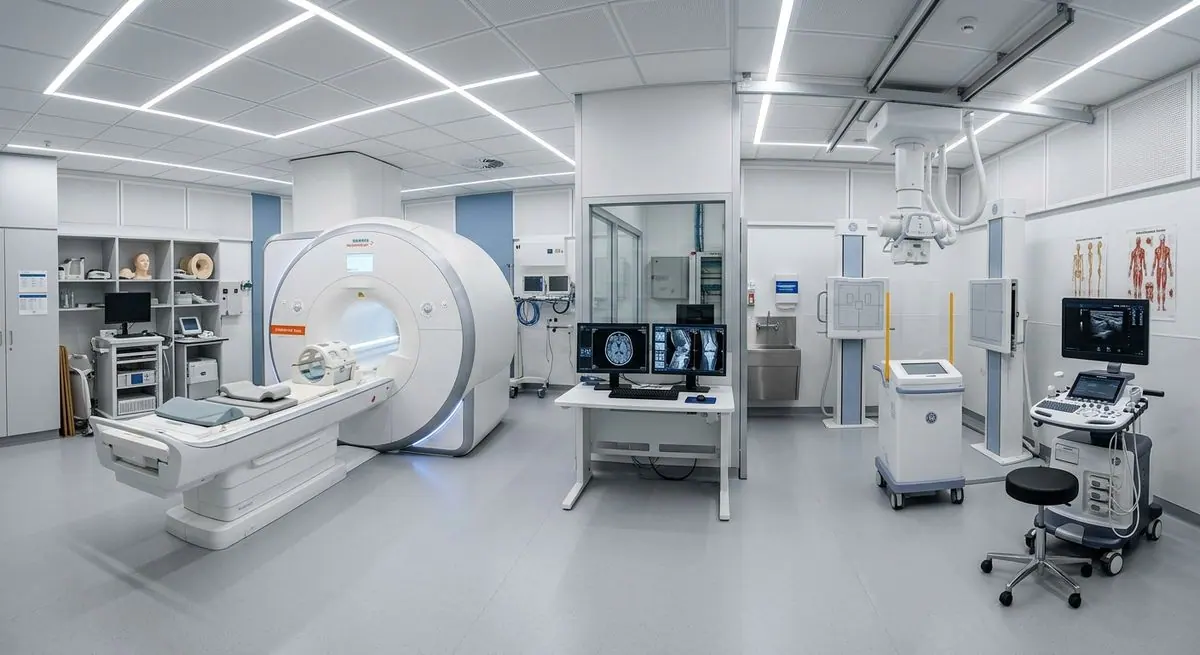
- Interpretation of imaging studies — X-rays, MRI scans, CT scans, and bone density measurements
- Non-surgical management plans including targeted physiotherapy protocols, bracing, and pain management
- Minimally invasive arthroscopic surgery for joint conditions requiring internal repair
- Open surgical procedures for complex fractures, deformities, and joint replacements
- Trauma management for accident victims, including emergency fracture fixation and post-trauma rehabilitation planning
- Injection therapies such as corticosteroid injections and platelet-rich plasma (PRP) for appropriate conditions
- Post-operative monitoring and long-term follow-up to track recovery and prevent complications
- Patient education sessions that explain diagnosis, treatment options, and realistic recovery timelines in plain language
How to Choose the Best Orthopedic Consultant in Riyadh
- Verify that the consultant holds board certification in orthopedic surgery from a recognized medical authority
- Look for subspecialty fellowship training relevant to your specific condition — not all orthopedic surgeons are equally experienced in every area
- Check the volume of procedures the consultant performs annually; higher surgical volume generally correlates with better outcomes for complex cases
- Ask whether the consultant practices at an accredited hospital with a dedicated orthopedic department and modern surgical facilities
- Consider the consultant's communication style — the best orthopedic consultant in Riyadh will take time to explain your diagnosis clearly rather than rushing through an appointment
- Seek a consultant who coordinates care with physiotherapists and other specialists rather than working in isolation
- Patient reviews and referrals from trusted sources remain one of the most reliable indicators of quality
How Are Bone and Joint Problems Diagnosed?
- Clinical examination: assessing range of motion, joint stability, localized tenderness, and neurological signs
- Plain X-rays: the standard first-line imaging tool for fractures, joint space narrowing, and bone alignment
- MRI scanning: provides detailed soft tissue visualization for ligaments, tendons, cartilage, and spinal discs
- CT scanning: used for complex fractures, especially around the pelvis, spine, and wrist
- Ultrasound imaging: useful for real-time assessment of tendons and for guiding injections
- Bone density scanning (DEXA): measures bone mineral density to diagnose osteoporosis and fracture risk
- Blood tests: help rule out inflammatory arthritis, infection, or metabolic bone disease
- Diagnostic injections: injecting a local anesthetic into a joint to confirm whether that joint is the true source of pain
When Is Physical Therapy Enough — and When Do You Need Surgery?
This is a question that deserves an honest answer, not a rehearsed one. Physical therapy is genuinely effective for a wide range of orthopedic conditions. Mild to moderate ligament sprains, early-stage arthritis, muscle imbalances, and postural problems all respond well to structured rehabilitation. Most people with lower back pain, for example, will recover fully with physiotherapy, activity modification, and time — surgery is rarely the right first step.
The threshold for surgery shifts when structural damage is significant and progressive. A completely ruptured ACL in an active person will not heal on its own, regardless of how diligently they complete their exercises. Advanced knee arthritis that has destroyed the joint cartilage entirely cannot be reversed by physiotherapy — it can only be managed until the pain and disability make joint replacement the logical next step. The defining question is whether the underlying anatomy can recover without surgical correction or whether it fundamentally cannot.
Dr. Mohamed Ali Balharith, as an orthopedic and trauma surgery consultant, takes a deliberately conservative approach before recommending any procedure. His goal is to help patients understand exactly where they sit on that spectrum — and to pursue the least invasive path that will genuinely work for their specific situation.
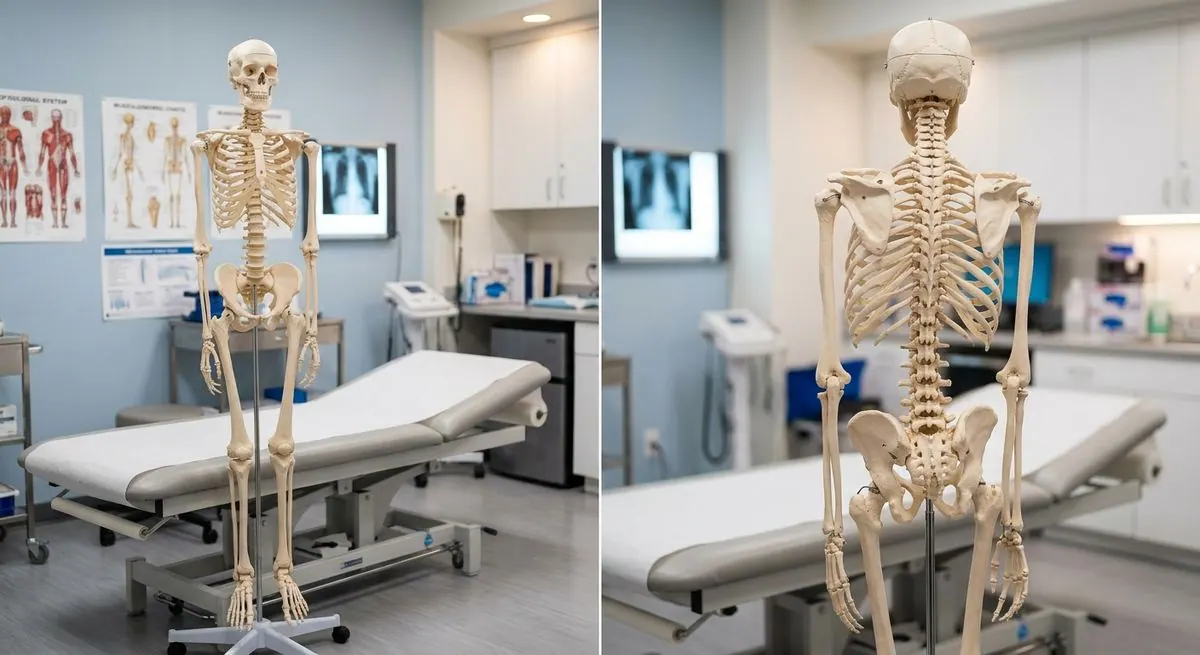
Key Tips Before Booking an Appointment with an Orthopedic Consultant in Riyadh
- Write down your symptoms in detail before the appointment: when the pain started, what makes it worse, what makes it better, and how it has changed over time
- Gather any existing imaging reports — X-rays, MRI films, or CT scans — and bring the actual images, not just the written reports
- List all medications you currently take, including supplements, as some affect bone health or surgical risk
- Be prepared to describe the impact of your condition on daily life; this helps the consultant determine urgency and treatment priority
- Ask specific questions about both surgical and non-surgical options, expected recovery timelines, and what success looks like for your case
- If you have had previous orthopedic treatments or surgeries, bring any related records or operative reports
- Arrange for a family member or trusted companion to attend with you if possible — a second set of ears is invaluable when processing complex medical information
Related
questions
Ready to talk
about your joint?
Dr. Mohammed Ali Balhareth — consultant orthopedic surgeon specializing in hip & knee replacement, reconstruction, and trauma surgery in Riyadh.
WHATSAPP THE CLINIC ↗Dr. Sulaiman Al Habib Medical Group — Al Hamra Hospital
Sun, Tue, Wed · 4:00–8:00 PM