Bone Thinning in Children
Bone thinning in children is one of those conditions that tends to fly under the radar — until it becomes a serious problem. Unlike adults, children are in an active phase of bone development, which means any disruption to that process can have consequences that extend well into adulthood.
Bone thinning in children is one of those conditions that tends to fly under the radar — until it becomes a serious problem. Unlike adults, children are in an active phase of bone development, which means any disruption to that process can have consequences that extend well into adulthood. Understanding the early warning signs, the root causes, and the available treatment options is essential for any parent or caregiver who wants to protect their child's long-term health.
This is exactly the kind of condition where expert guidance makes all the difference. Dr. Mohammed Ali Balharith, a consultant in orthopedic surgery and trauma, has extensive experience dealing with pediatric bone conditions and offers parents the kind of clear, evidence-based direction they need. Rather than guessing, families benefit enormously from consulting a qualified specialist early — before the condition progresses.
What Is Bone Thinning in Children
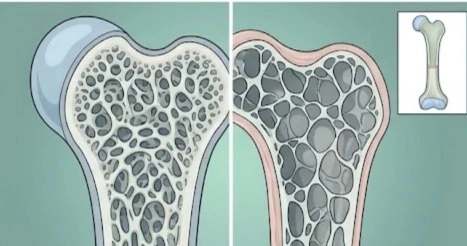
Bone thinning in children refers to a reduction in bone mineral density during the developmental years — a period when bones should actually be growing stronger and denser, not weaker. Think of a child's skeleton as a construction project in full swing. If the building materials (calcium, vitamin D, phosphorus) are in short supply, or if the body can't use them properly, the resulting structure is fragile and prone to damage.
This condition is sometimes called pediatric osteopenia, and it sits on a spectrum. On the milder end, bone density is lower than it should be for a child's age, but the bones remain functional. On the more severe end, the child approaches what we recognize in adults as osteoporosis — bones that fracture with minimal force. What's interesting here is that many cases go undetected simply because children rarely complain in the way adults do, and parents often attribute aches and growing pains to normal development rather than an underlying skeletal issue.
It's worth separating this from normal variation. Not every child with slightly lower bone density has a clinical problem. But when bone thinning is consistent, measurable, and accompanied by symptoms, it requires proper medical attention from a specialist like Dr. Mohammed Ali Balharith, who understands both the surgical and non-surgical dimensions of bone health.
Causes of Bone Thinning in Children
- Calcium and vitamin D deficiency — The two most critical nutrients for bone formation. Without adequate calcium, the body pulls it from bones, and without vitamin D, calcium can't be absorbed properly from food. This is the most common cause of bone thinning and also the most preventable.
- Malabsorption disorders — Conditions such as celiac disease, Crohn's disease, and short bowel syndrome interfere with nutrient absorption in the gut. Even if a child eats a healthy diet, their body may fail to absorb the minerals their bones need.
- Chronic illness and long-term medication use — Children who take corticosteroids for extended periods — for asthma, rheumatoid arthritis, or inflammatory bowel disease — are at significantly elevated risk. These medications directly suppress bone formation.
- Hormonal imbalances — Growth hormone deficiency, thyroid problems, and abnormalities in sex hormones all affect skeletal development. The endocrine system and the skeletal system are far more closely connected than most people realize.
- Genetic and metabolic conditions — Osteogenesis imperfecta, hypophosphatasia, and other inherited conditions disrupt normal bone metabolism at a cellular level. These cases often require specialized care.
- Sedentary lifestyle and lack of physical activity — Bones respond to mechanical load. Children who are physically inactive — due to disability, prolonged bed rest, or simply excessive screen time — develop weaker bones because the stimulus for bone-building simply isn't there.
- Premature birth — Premature infants miss out on the final weeks of fetal bone mineralization. They are born with lower bone mineral content than full-term babies, placing them at higher risk for early bone thinning.
Symptoms of Bone Thinning in Children
- Frequent fractures — When a child breaks a bone from a minor fall or impact that wouldn't injure most children, this is one of the clearest red flags. Recurrent fractures should always prompt further investigation.
- Bone pain and general body aches — Children may complain of deep, diffuse bone pain that doesn't correlate with any specific injury. Understanding the causes of body bone pain is critical here, because it's often dismissed as growing pains.
- Delayed growth and short stature — Poor bone development can manifest as a child falling behind on growth charts, particularly in height.
- Skeletal deformities — Curvature of the spine, bowing of the legs, or abnormal posture can all indicate inadequate bone density and structural integrity.
- Muscle weakness — Bone and muscle health are closely linked. Children with bone thinning often experience reduced muscle strength, affecting their ability to participate in normal physical activities.
- Dental problems — Weak jawbone development, delayed tooth eruption, or fragile teeth can sometimes indicate systemic bone density issues.
- Fatigue and reduced physical endurance — A less obvious symptom, but one that parents often notice when their child seems unusually tired after activities that other children handle with ease.
Diagnosing Bone Thinning in Children
Diagnosis begins with a thorough clinical assessment. A specialist like Dr. Mohammed Ali Balharith will review the child's medical history, dietary habits, physical activity levels, and any medications they're taking. This context matters enormously — the same bone density measurement can mean very different things in a child with celiac disease versus an otherwise healthy, active child.
The gold standard diagnostic tool is the DXA scan (Dual-energy X-ray Absorptiometry), which measures bone mineral density with precision and minimal radiation exposure. In children, results are interpreted using Z-scores rather than T-scores (which are used in adults to diagnose osteoporosis). A Z-score below -2.0, combined with clinical symptoms, typically confirms a diagnosis of low bone density for chronological age.
Blood tests play a supporting role. Levels of calcium, phosphorus, vitamin D, parathyroid hormone, and alkaline phosphatase all give the specialist a clearer picture of what's happening metabolically. In some cases, genetic testing is warranted — particularly when there's a family history of skeletal fragility or when the presentation doesn't fit a straightforward nutritional deficiency. Getting this diagnostic picture right is what separates a surface-level assessment from a genuinely useful one.
Treatment of Bone Thinning in Children
Treatment for bone thinning in children is not a one-size-fits-all approach. The strategy depends heavily on what's causing the problem. For children with nutritional deficiencies, the first step is correcting those deficiencies — calcium and vitamin D supplementation, along with dietary adjustments that prioritize dairy, leafy greens, nuts, and fortified foods. Bone treatment in these cases is surprisingly effective when caught early.
For children with underlying medical conditions driving the bone loss, addressing those conditions is central to the plan. This might mean adjusting immunosuppressive medications, managing a gastrointestinal disorder more aggressively, or working with an endocrinologist to correct hormonal imbalances. Physical therapy and structured weight-bearing exercise programs are also a consistent part of treatment — not as optional extras, but as core components of rebuilding bone strength.
In more severe cases, particularly those involving osteogenesis imperfecta or other genetic conditions, bisphosphonate therapy may be considered. These medications slow bone resorption and have shown real benefit in pediatric patients with significant skeletal fragility. Dr. Mohammed Ali Balharith, as a consultant in orthopedic surgery and trauma, coordinates care across specialties when necessary, ensuring each child gets a treatment plan built around their specific situation rather than a generic protocol.
Complications of Bone Thinning in Children
Left untreated, bone thinning carries complications that extend far beyond childhood. The most immediate concern is pathological fractures — breaks that occur without significant trauma. These fractures can be painful, slow to heal, and in some cases lead to permanent deformity, particularly in the spine or long bones of the legs.
Spinal involvement is especially serious. Vertebral compression fractures can cause chronic back pain, reduced height, and postural changes that become permanent if skeletal development completes without correction. Here's the thing — by the time a child reaches peak bone mass (typically in their late teens to early twenties), whatever bone density they've built is largely the ceiling they'll work with for the rest of their life. Poor bone development in childhood directly translates to elevated risk of osteoporosis and fractures in adulthood.
Beyond the physical, there are psychological effects too. Children who experience frequent fractures or chronic pain often withdraw from sports and social activities, which compounds the problem by further reducing the physical activity that bones need. This is not a condition to watch and wait on.
Prevention of Bone Thinning in Children
Preventive strategies begin at birth — and in some respects, even before. Adequate maternal nutrition during pregnancy, particularly calcium and vitamin D intake, supports fetal bone development in the final trimester. Breastfed infants typically need vitamin D supplementation, since breast milk alone doesn't provide sufficient amounts.
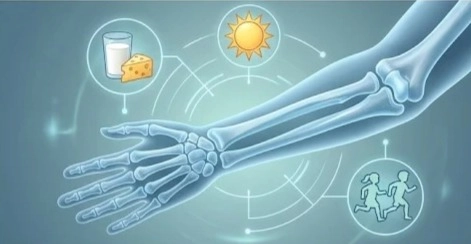
As children grow, diet and physical activity become the twin pillars of bone health. Encouraging dairy consumption, offering calcium-rich alternatives for lactose-intolerant children, and ensuring adequate sun exposure for natural vitamin D synthesis are all practical, evidence-based steps. The difference between a child who develops strong bones and one who doesn't is often not genetics — it's habit and environment.
Regular weight-bearing exercise — running, jumping, gymnastics, team sports — stimulates bone formation in ways that swimming or cycling simply don't. This doesn't mean those activities lack value, but parents should ensure their children also get plenty of impact-loading movement. Routine pediatric checkups provide an opportunity to catch early signs of bone health concerns before they escalate, especially in children with risk factors for bone thinning.
Understanding bone thinning in children starts with recognizing the early warning signs, identifying the underlying causes, and seeking an accurate diagnosis. Whether the condition is related to nutritional deficiencies, chronic illness, or genetic factors, early medical intervention can help improve bone health, reduce fracture risks, and support healthy development.
If your child experiences repeated fractures, persistent bone pain, or unexplained growth concerns, consulting an orthopedic specialist is an important next step. Dr. Mohammed Ali Balharith provides specialized orthopedic assessment to help identify the condition and determine an appropriate treatment plan for your child's needs.
Related
questions
Ready to talk
about your joint?
Dr. Mohammed Ali Balhareth — consultant orthopedic surgeon specializing in hip & knee replacement, reconstruction, and trauma surgery in Riyadh.
WHATSAPP THE CLINIC ↗Dr. Sulaiman Al Habib Medical Group — Al Hamra Hospital
Sun, Tue, Wed · 4:00–8:00 PM