The Best Back Doctor in Riyadh
Learn about back pain causes, diagnostic methods, and treatment options, and discover how to choose a back doctor in Riyadh with Dr. Mohamed Ali Balharith.
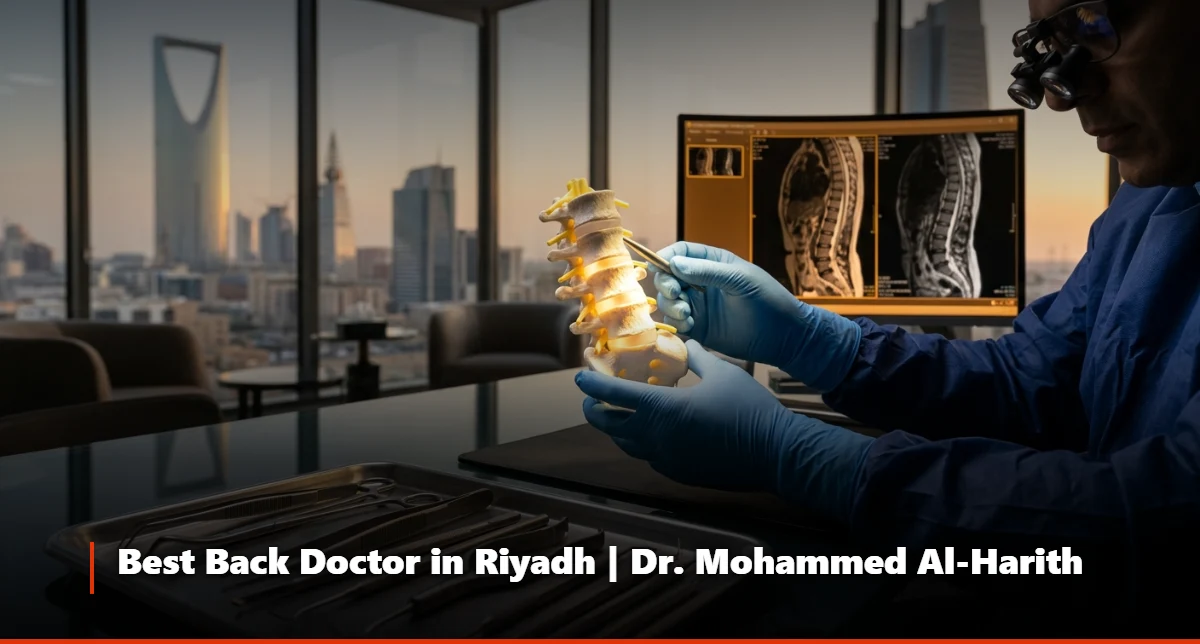
Back pain is one of the most disabling conditions a person can experience — and one of the most mismanaged. Finding the best back doctor in Riyadh is not just about proximity or convenience; it is about trusting someone with your spine, your mobility, and ultimately your quality of life. The right specialist changes everything.
Dr. Mohammed Ali Balharith, an orthopedic and trauma surgery consultant, has built a reputation in Riyadh as a physician who combines clinical precision with genuine patient care. Whether your condition calls for conservative management or surgical intervention, having an experienced orthopedic and trauma surgery consultant in your corner ensures you receive a diagnosis that is accurate and a treatment plan that actually fits your situation.
When Does Back Pain Require Surgical Intervention?
Most people assume back surgery is the last resort — and in many cases, that instinct is correct. But here's the thing: delaying necessary surgery when the clinical picture clearly demands it can cause permanent nerve damage, muscle weakness, and chronic disability. The question is not whether to fear surgery; the question is whether your specific condition has reached a threshold where non-surgical options are no longer adequate.
Surgical intervention typically becomes necessary when a patient experiences persistent, severe pain that has failed to respond to at least six weeks of structured conservative care, including physical therapy and medication. Red flags such as progressive leg weakness, loss of bladder or bowel control, or severe neurological deficits require urgent evaluation and often prompt surgical decision-making. An orthopedic clinic in Riyadh with a qualified consultant can assess these signs accurately using imaging and clinical examination rather than guesswork.
What's interesting here is that the decision to operate is never one-dimensional. A skilled orthopedic and trauma surgery consultant evaluates not just the imaging results but the patient's overall health, age, activity level, and personal goals before recommending any procedure. That individualized judgment is what separates a truly excellent specialist from one who follows a generic protocol.
When Is Back Pain a Sign of a Spinal Problem?
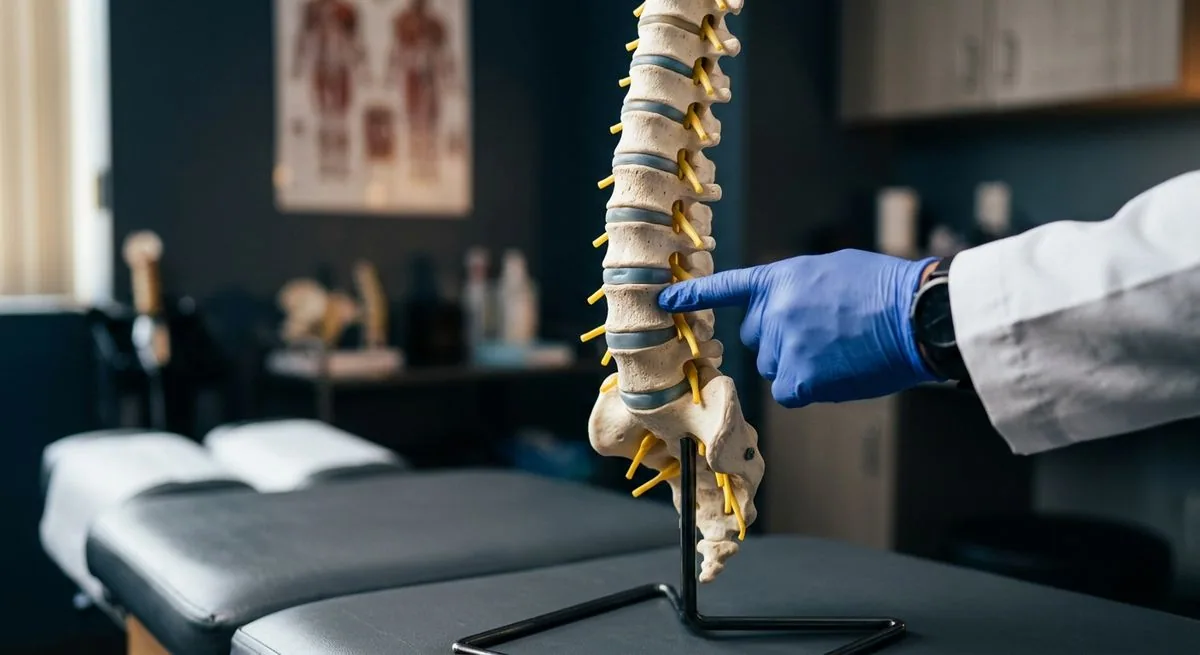
Not all back pain originates in the muscles. A significant portion of chronic or recurring back pain actually points to structural issues within the spine itself — things like herniated discs, spinal stenosis, spondylolisthesis, or degenerative disc disease. Most people overlook the subtle signals their body sends long before the pain becomes severe.
Spinal problems tend to present with pain that radiates — down the leg in cases of sciatica, or into the arms when the cervical spine is affected. Numbness, tingling, a burning sensation, or a feeling of weakness in the limbs are all neurological symptoms that suggest nerve involvement, not just muscle fatigue. If your pain wakes you at night, worsens with specific movements like bending forward or extending backward, or has been present consistently for more than four weeks, these are patterns that warrant a proper specialist consultation.
An orthopedic doctor in Riyadh who specializes in spinal conditions will be able to differentiate between mechanical back pain — which responds well to conservative care — and structural or neurological conditions that require a more targeted approach. Getting that distinction right from the beginning saves months of ineffective treatment.
How Is Back and Spine Pain Diagnosed?
Accurate diagnosis is the foundation of effective treatment. Here is how a thorough diagnostic workup typically unfolds at a well-equipped orthopedic clinic in Riyadh:
- Detailed clinical history — The specialist asks about the onset of pain, its character, duration, aggravating and relieving factors, and any associated symptoms like numbness or bowel changes.
- Physical and neurological examination — This includes testing reflexes, muscle strength, sensation, and range of motion to identify which spinal level may be affected.
- X-rays — Plain radiographs reveal bony alignment, disc space height, and signs of degenerative changes or fractures.
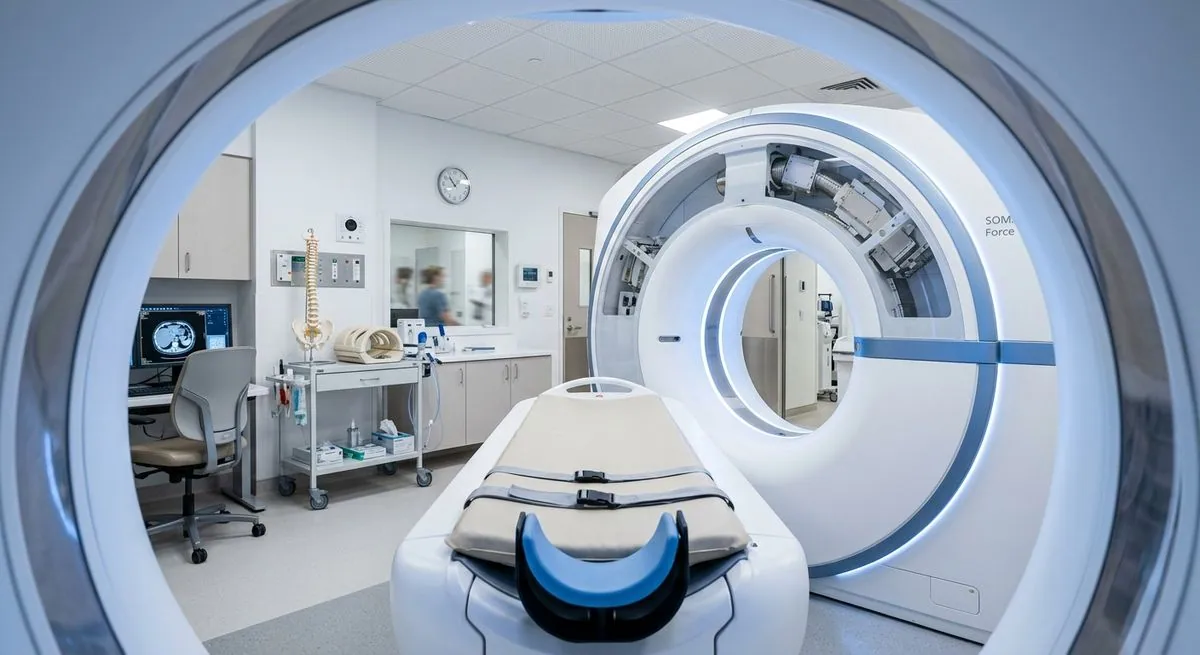
- MRI (Magnetic Resonance Imaging) — The gold standard for soft tissue evaluation, MRI shows disc herniations, nerve compression, spinal cord involvement, and ligament injuries in high detail.
- CT scan — Particularly useful for bony detail when X-rays are insufficient, or when planning surgical approaches.
- Nerve conduction studies (EMG/NCS) — These electrophysiological tests measure how well electrical signals travel through nerves and muscles, helping confirm nerve damage and its extent.
- Selective nerve root blocks or diagnostic injections — In some cases, targeted injections serve both a diagnostic and therapeutic purpose, helping confirm the exact pain generator.
What Are the Latest Methods for Treating Back Pain?
The field of spine care has evolved dramatically. Gone are the days when a back problem meant a long open surgery and months of recovery. The best back doctor will offer a spectrum of modern options tailored to each patient:
- Minimally invasive spine surgery (MISS) — Smaller incisions, less muscle disruption, faster recovery, and reduced blood loss compared to traditional open procedures.
- Endoscopic discectomy — A camera-guided technique for removing herniated disc material through an incision smaller than a centimeter, often performed under local anesthesia.
- Spinal fusion with modern instrumentation — When vertebral instability is present, fusion techniques using titanium implants and biologics achieve excellent long-term stability.
- Radiofrequency ablation (RFA) — For facet joint pain, this technique uses heat energy to interrupt pain signals from specific nerves, offering months of relief.
- Platelet-rich plasma (PRP) and biologic injections — Emerging regenerative therapies that use the body's own healing factors to reduce inflammation and promote tissue repair.
- Epidural steroid injections — A well-established intervention for nerve root irritation and spinal stenosis that provides targeted anti-inflammatory relief.
- Spinal cord stimulation — An implantable device that modifies pain signals before they reach the brain, used for chronic neuropathic pain that has not responded to other treatments.
When Is Physical Therapy Enough for Back Pain?
Surgery is not the answer for everyone — and frankly, for the majority of back pain cases, it should not be the first conversation. Physical therapy remains one of the most evidence-supported treatments available, and a responsible best back doctor in Riyadh will always consider it before escalating care.
Physical therapy tends to be the right primary approach when:
- The pain is mechanical in nature — meaning it changes with position and movement rather than being constant or progressive.
- There is no evidence of significant nerve compression on imaging or clinical examination.
- The patient has not yet tried a structured, supervised rehabilitation program.
- Symptoms have been present for fewer than twelve weeks with no red flag features.
- The goal is to restore function, reduce recurrence risk, and build core stability over time.
The key word here is structured. A few sessions of generic exercises rarely produce lasting results. A program designed by a qualified physiotherapist and supervised by a knowledgeable orthopedic consultant — someone like Dr. Mohammed Ali Balharith — addresses the root biomechanical cause rather than just the symptoms.
How to Choose the Best Back Doctor in Riyadh
Riyadh has no shortage of physicians who treat back pain. Choosing the right one requires knowing what credentials and qualities actually matter:
- Board-certified orthopedic and trauma surgery consultant — Verify that the specialist holds recognized qualifications in orthopedic surgery with subspecialty focus on spinal conditions.
- Spine-specific experience — A general orthopedic surgeon is not the same as one who has dedicated a significant portion of their practice to spinal disorders. Ask directly about case volume and specialization.
- Diagnostic thoroughness — A good specialist spends time understanding your history before ordering tests, not the other way around.
- Range of treatment options — Beware of any clinic that defaults to one solution. The best orthopedic doctor in Riyadh will present you with a full range of options from conservative to surgical and explain the rationale for each.
- Clear communication — Medical jargon should never leave you more confused than when you arrived. A trustworthy consultant explains your diagnosis in plain language.
- Continuity of care — Your treatment does not end after a procedure or a prescription. Look for a specialist who monitors your recovery and adjusts the plan as needed.
- Reputation within the orthopedic clinic in Riyadh — Patient testimonials, peer recognition, and institutional affiliations all speak to a physician's standing in the medical community.
Related
questions
Ready to talk
about your joint?
Dr. Mohammed Ali Balhareth — consultant orthopedic surgeon specializing in hip & knee replacement, reconstruction, and trauma surgery in Riyadh.
WHATSAPP THE CLINIC ↗Dr. Sulaiman Al Habib Medical Group — Al Hamra Hospital
Sun, Tue, Wed · 4:00–8:00 PM