The Causes of Osteoporosis in the Elderly
Learn about the causes and symptoms of osteoporosis in older adults, medications that may increase the risk, diagnosis, and prevention tips.
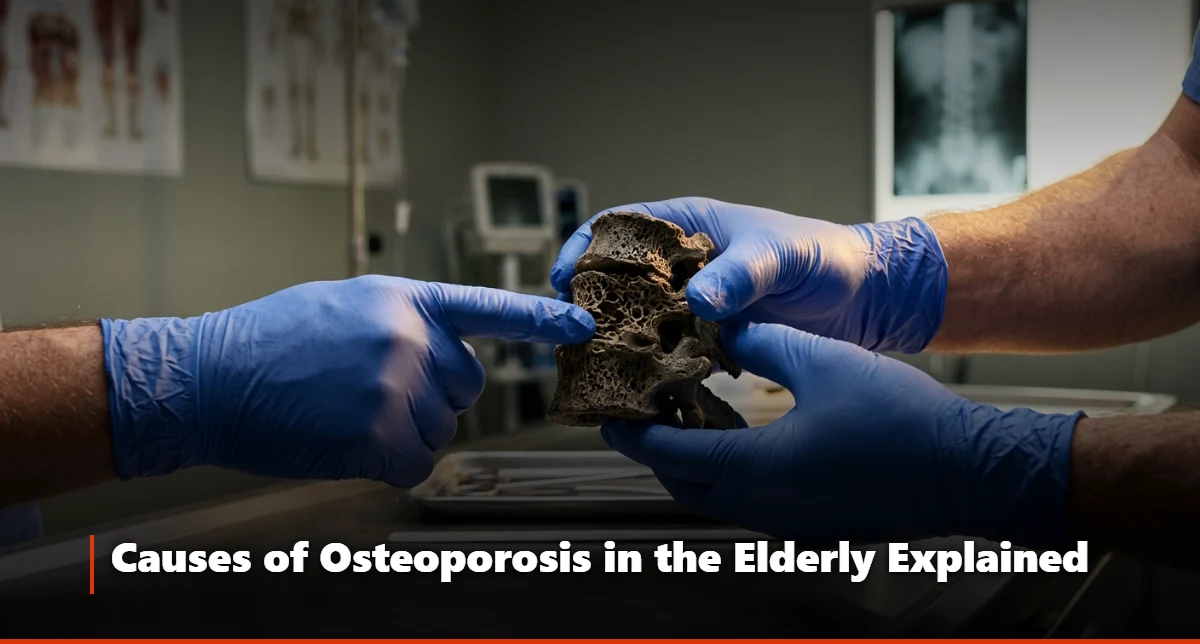
The causes of osteoporosis in the elderly are far more complex than most people realize — it is not simply a matter of "getting old." Bone is living tissue that constantly rebuilds itself, and when that rebuilding process slows down faster than bone is being broken down, the skeleton quietly loses its density year by year.
Understanding this condition deeply matters, especially when the consequences can include devastating fractures from the most minor falls. Dr. Mohammed Ali Balharith, a consultant in orthopedic surgery and trauma, has helped hundreds of patients understand and manage this condition before it robs them of their independence. His expertise makes him a trusted voice on the subject throughout the region.
Why Do the Elderly Develop Osteoporosis?
Bone density in the human body peaks somewhere around the age of thirty. After that, a slow but steady decline begins. What's interesting here is that this decline is completely silent — no pain, no signal, no warning — which is exactly why osteoporosis earns the name "the silent disease." By the time most older adults discover they have it, significant bone loss has already occurred.
Several biological shifts happen with aging that accelerate this loss. Estrogen levels in women drop sharply after menopause, removing one of the key hormones that protects bone density. In men, testosterone decline plays a similar though slower role. The kidneys also become less efficient at activating vitamin D, which directly limits calcium absorption in the gut. Together, these changes create the perfect biological environment for bone fragility to develop.
Nutrition and lifestyle patterns built over decades also leave their mark. A person who ate a calcium-poor diet throughout their forties and fifties arrives at their sixties with a bone bank that was never fully funded. Regular weight-bearing exercise throughout life builds bone reserve — a sedentary lifestyle does the opposite. These long-term patterns matter just as much as the hormonal shifts that come with age.
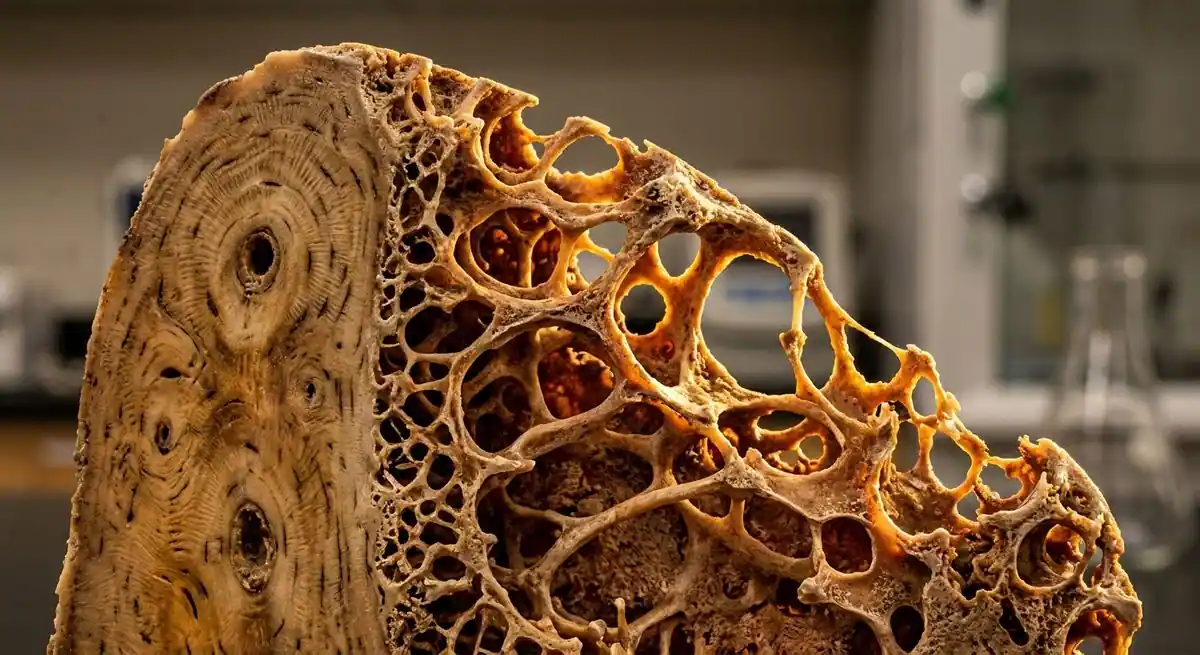
What Are the Causes of Osteoporosis in the Elderly
- Hormonal changes, particularly the drop in estrogen after menopause in women and declining testosterone in men
- Chronic vitamin D deficiency due to reduced sun exposure, poor diet, or impaired kidney activation of the vitamin
- Low lifetime calcium intake that prevents the skeleton from reaching its full density potential
- A sedentary lifestyle with little to no weight-bearing physical activity
- Genetics and family history — if a parent had osteoporosis, the risk rises significantly
- Smoking, which accelerates bone breakdown and reduces calcium absorption
- Excessive alcohol consumption, which interferes with the body's ability to produce new bone cells
- Low body weight or a history of eating disorders, which deprive bones of the mechanical load and nutrients they need
- Chronic medical conditions such as rheumatoid arthritis, celiac disease, chronic kidney disease, and hyperthyroidism
- Prolonged immobility or bed rest following illness or injury
What Medications Cause Osteoporosis?
- Corticosteroids (such as prednisone) — long-term use is one of the most common drug-related causes of significant bone loss
- Proton pump inhibitors (antacids like omeprazole) — reduce calcium absorption over extended use
- Anticonvulsants (seizure medications) — affect vitamin D metabolism and bone mineralization
- Certain antidepressants, particularly SSRIs — associated with reduced bone density in long-term users
- Aromatase inhibitors used in breast cancer treatment — drastically lower estrogen levels
- Androgen deprivation therapy used in prostate cancer treatment — reduces testosterone and accelerates bone loss
- Heparin (blood thinner) — long-term use linked to bone thinning
- Thiazolidinediones (used for type 2 diabetes) — may reduce bone formation
- Excess thyroid hormone medication when dosing is not carefully managed
Symptoms of Osteoporosis
- Back pain, often caused by a fractured or collapsed vertebra — this is also a key symptom of cervical osteoporosis, where the neck vertebrae are affected and cause stiffness or radiating discomfort
- A gradual loss of height over the years, sometimes several centimeters
- A stooped or hunched posture, medically known as kyphosis, as the spine begins to compress
- Fractures that occur far too easily — from a gentle fall, a minor bump, or even a strong cough
- Symptoms of osteoporosis in the knee, including joint pain, swelling, and a noticeable decrease in stability when walking on uneven ground
- General signs of osteoporosis include chronic fatigue, muscle weakness, and a reduced grip strength that makes everyday tasks harder
- Tooth loss or receding gums in some cases, as jaw bone density is also affected
- Nerve-related symptoms if a collapsed vertebra presses on the spinal cord
Diagnosing Osteoporosis
The gold standard for diagnosis is a DEXA scan — dual-energy X-ray absorptiometry. This painless imaging test measures bone mineral density at the hip and lumbar spine, producing a T-score that tells your doctor exactly how your bone density compares to a healthy young adult. A score of -2.5 or below confirms osteoporosis. What most people overlook is that this scan takes less than fifteen minutes and involves very low radiation exposure.
Beyond the DEXA scan, Dr. Mohammed Ali Balharith typically completes a full picture through blood and urine tests measuring calcium, phosphorus, vitamin D levels, parathyroid hormone, and markers of bone turnover. These results reveal whether the bone loss is driven by a nutritional deficiency, a hormonal imbalance, or an underlying medical condition that needs to be treated separately. Getting that complete picture is what separates effective treatment from guesswork.
Early diagnosis is everything with this condition. A fracture — particularly a hip fracture — in an elderly person carries serious risks including prolonged hospitalization, loss of mobility, and complications that can be life-threatening. Identifying osteoporosis before the first fracture occurs is the single most important clinical goal, which is why routine screening is strongly recommended for women over 65 and for men over 70.
Preventing Osteoporosis
- Consume adequate calcium daily — older adults need around 1,200 mg per day through dairy, leafy greens, or supplements if dietary intake is insufficient
- Ensure optimal vitamin D levels through safe sun exposure and supplementation if blood levels are low
- Engage in weight-bearing exercise regularly — walking, hiking, dancing, and resistance training all stimulate bone remodeling
- Quit smoking immediately, as no bone-preservation strategy works well alongside tobacco use
- Limit alcohol intake to no more than one to two drinks per day
- Review all medications with your doctor to identify any that may be accelerating bone loss and discuss alternatives
- Fall-proof your home — remove loose rugs, install grab bars, improve lighting — since preventing fractures matters as much as preserving bone
- Maintain a healthy body weight; being underweight is a significant independent risk factor
- Get regular bone density screenings so any decline is caught and addressed early
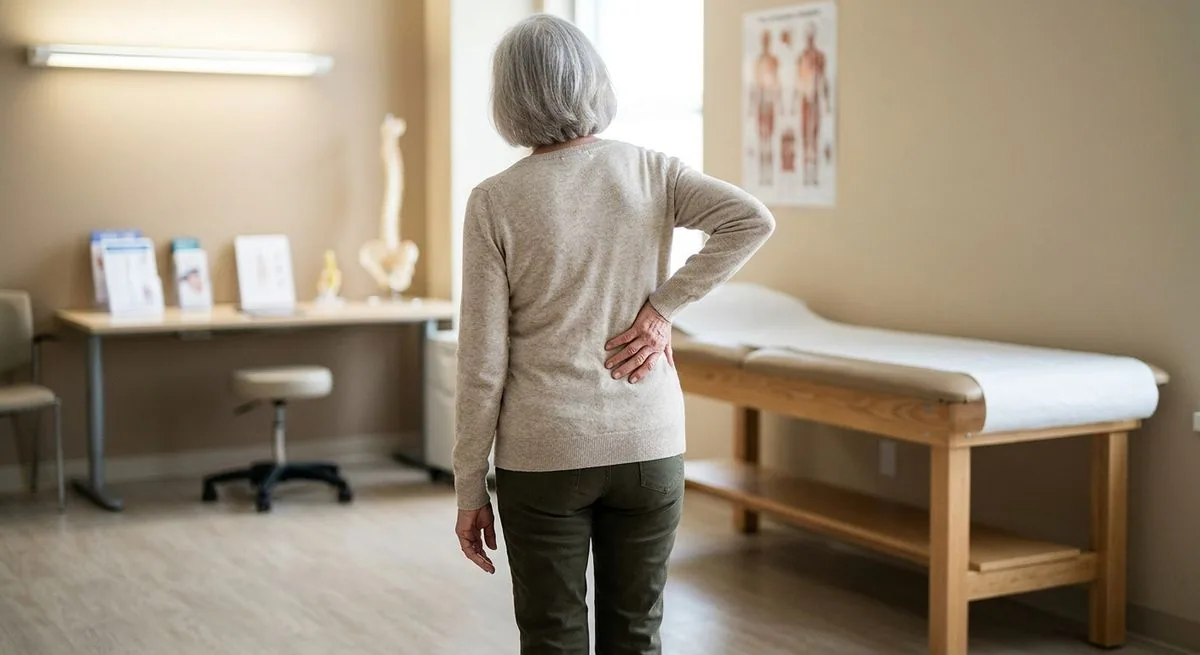
Types of Osteoporosis
- Primary Type I (Postmenopausal Osteoporosis): Occurs in women within the first decade after menopause, driven primarily by estrogen deficiency, and most commonly affects the spine and wrists.
- Primary Type II (Senile Osteoporosis): Affects both men and women over the age of 70, resulting from the cumulative effects of aging on calcium absorption and bone cell activity, with the hip being the most vulnerable site.
- Secondary Osteoporosis: Caused by an identifiable underlying condition or medication — including corticosteroid use, hyperthyroidism, or malabsorption disorders — and can occur at any age.
- Idiopathic Juvenile Osteoporosis: A rare form that affects children and young adults with no identifiable cause, generally resolving after puberty but requiring monitoring.
Complications of Osteoporosis
- Hip fractures — among the most serious consequences, often requiring surgery and linked to a significant decline in long-term independence
- Vertebral compression fractures causing chronic back pain, height loss, and progressive spinal deformity
- Wrist fractures from outstretched-hand falls, which can affect hand function permanently
- Chronic pain that reduces quality of life and leads to depression, social withdrawal, and decreased physical activity — which then worsens the bone loss further
- Respiratory complications in severe cases where spinal collapse reduces lung capacity
- Increased mortality risk in older patients who experience hip or pelvic fractures, particularly in the first year following the injury
- Loss of independence and the need for long-term care, which carries both emotional and financial consequences for patients and families alike
Related
questions
Ready to talk
about your joint?
Dr. Mohammed Ali Balhareth — consultant orthopedic surgeon specializing in hip & knee replacement, reconstruction, and trauma surgery in Riyadh.
WHATSAPP THE CLINIC ↗Dr. Sulaiman Al Habib Medical Group — Al Hamra Hospital
Sun, Tue, Wed · 4:00–8:00 PM