the Causes of Persistent Knee Pain
Few things disrupt daily life quite like a knee that won't stop hurting. The causes of persistent knee pain range from minor overuse injuries to serious structural problems inside the joint, and telling them apart without proper evaluation is nearly impossible.
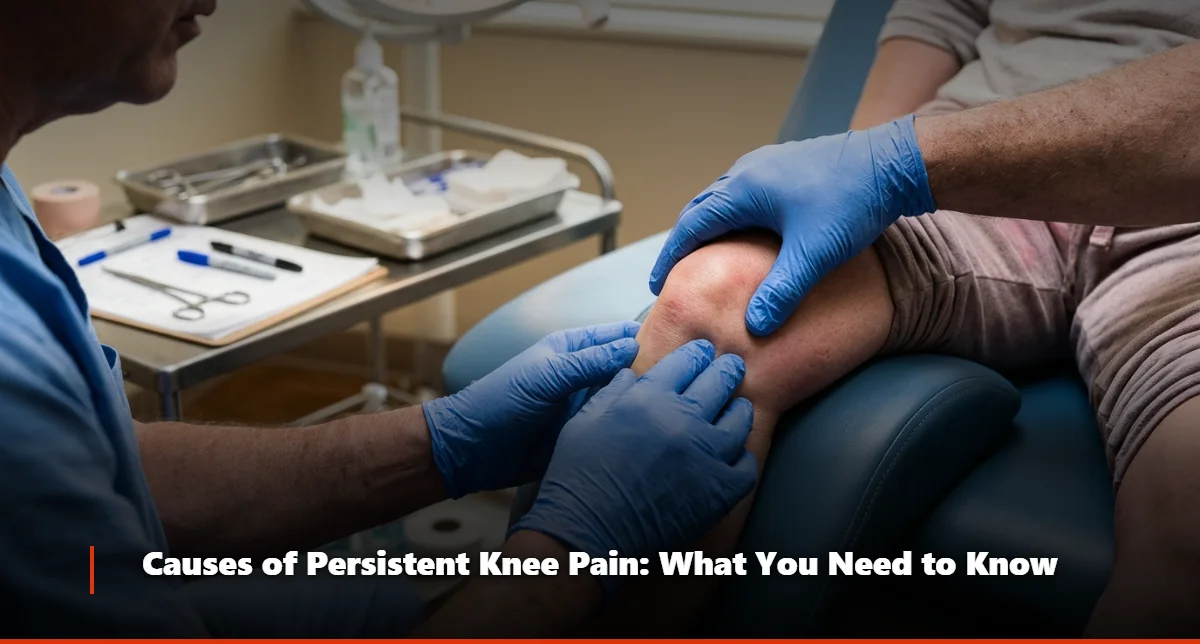
Few things disrupt daily life quite like a knee that won't stop hurting. The causes of persistent knee pain range from minor overuse injuries to serious structural problems inside the joint, and telling them apart without proper evaluation is nearly impossible. Whether the pain strikes while climbing stairs, sitting for long periods, or simply getting out of bed in the morning, it deserves real attention — not just another round of painkillers.
If you have been searching for answers and getting nowhere, consulting a qualified specialist makes all the difference. Dr. Mohammed Ali Balharith, an orthopedic surgery and trauma consultant, has helped hundreds of patients identify exactly what is driving their discomfort and build a treatment plan that actually works. Understanding the underlying problem is always the first step.
What Are the Causes of Persistent Knee Pain?
- Osteoarthritis — gradual wearing down of the cartilage inside the knee joint, most common in adults over 50
- Rheumatoid arthritis — an autoimmune condition that causes chronic inflammation and joint damage
- Meniscus tears — damage to the shock-absorbing cartilage pads that sit between the thigh bone and shin bone
- Ligament injuries — partial or complete tears of the ACL, PCL, or collateral ligaments, often from sports or sudden twisting movements
- Patellar tendinitis — inflammation of the tendon connecting the kneecap to the shinbone, common in runners and jumpers
- Bursitis — swelling of the fluid-filled sacs around the knee that cushion bones and tendons
- Iliotibial band syndrome — tightness and friction along the outer side of the knee, typical in long-distance runners
- Gout — uric acid crystal deposits that cause sudden, intense episodes of joint pain
- Referred pain from the hip or lower back — sometimes what feels like knee pain actually originates elsewhere
- Infections inside the joint — rare but serious, requiring immediate medical attention
Symptoms That Require a Doctor's Visit
- Swelling that appears suddenly or persists for more than two or three days without improvement
- Severe pain that prevents you from bearing weight or walking normally
- A popping or grinding sensation felt deep inside the knee joint during movement
- Visible deformity of the knee, such as a shifted kneecap or obvious swelling on one side
- Pain below the knee that radiates down into the shin or up into the thigh
- Fever combined with joint pain, which may indicate infection
- Persistent night pain that wakes you from sleep consistently
- Stiffness that lasts more than 30 minutes after waking in the morning
- Locking — the knee gets stuck mid-movement and refuses to straighten fully
- Recurring episodes of the knee giving way or buckling unexpectedly
How Is the Cause of Knee Pain Diagnosed?
- Clinical examination — a specialist assesses range of motion, checks for swelling, tests ligament stability, and identifies areas of tenderness through hands-on evaluation
- X-ray imaging — reveals bone damage, joint space narrowing, and signs of osteoarthritis within the knee joint
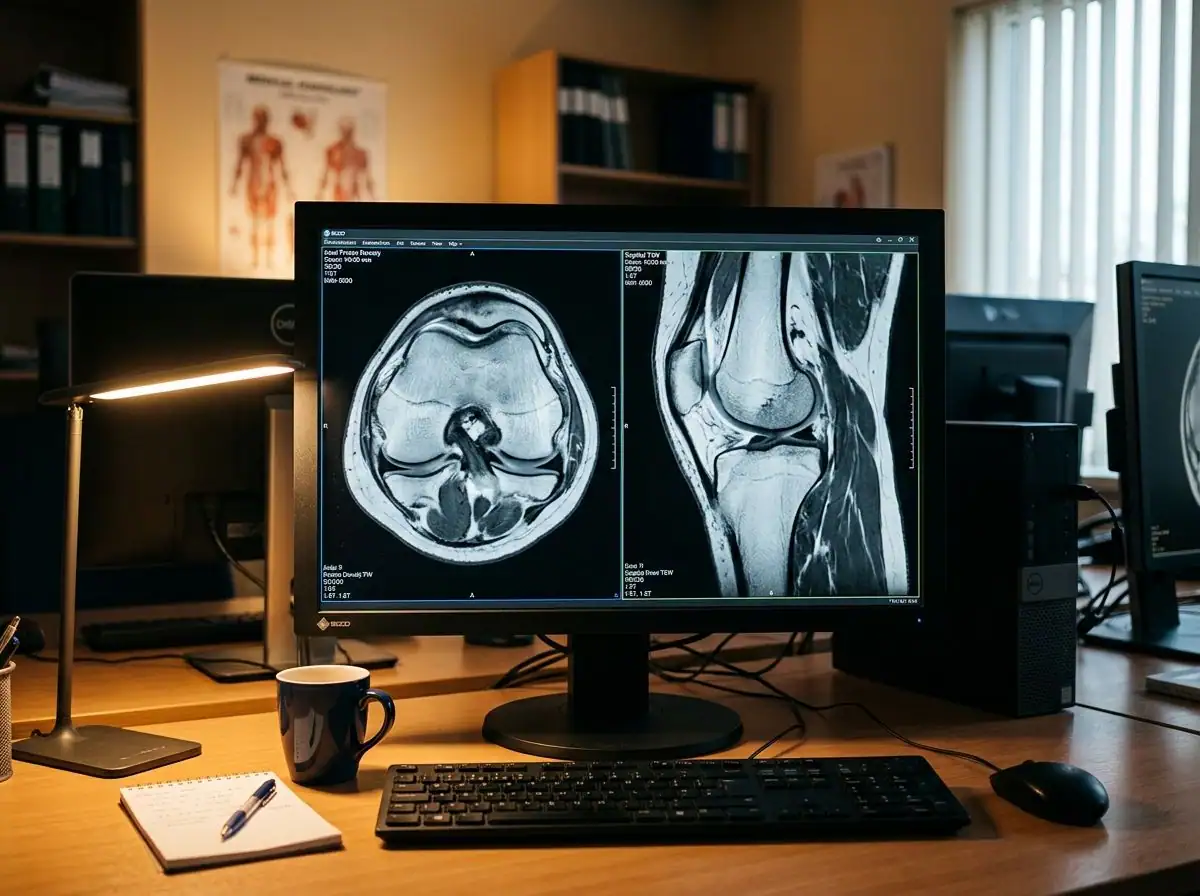
- MRI scan — provides detailed images of soft tissues, including the meniscus, ligaments, and cartilage, that X-rays cannot show
- Ultrasound — useful for assessing tendons, bursae, and fluid accumulation in real time
- Blood tests — help identify inflammatory markers or uric acid levels that point to rheumatoid arthritis or gout
- Joint aspiration — a small sample of fluid is withdrawn from the knee joint and analyzed for infection, gout crystals, or blood
- Bone scan — occasionally used when stress fractures or bone tumors are suspected
Dr. Mohammed Ali Balharith typically combines several of these methods to build a complete picture before recommending any course of action. Accurate diagnosis is what separates effective treatment from wasted time.
Knee Joint Treatment Options
- Rest and activity modification — reducing or temporarily stopping activities that aggravate the pain
- Physical therapy — targeted exercises to strengthen the muscles supporting the knee joint, improve flexibility, and reduce load on damaged structures
- Medications — anti-inflammatory drugs, pain relievers, or disease-modifying drugs for inflammatory arthritis
- Corticosteroid injections — reduce inflammation quickly and provide significant short-term relief inside the Knee Joint
- Hyaluronic acid injections — lubricate the joint and improve cushioning, particularly effective in moderate osteoarthritis
- PRP therapy — platelet-rich plasma injections use the patient's own blood components to encourage tissue healing
- Arthroscopic surgery — minimally invasive procedure to repair or trim a torn meniscus, remove loose bodies, or smooth damaged cartilage
- Partial or total knee replacement — reserved for advanced cases where the joint surface is severely deteriorated and quality of life is significantly affected
Can Knee Pain Be Prevented?
Here's the thing — many knee problems are not inevitable. A significant portion of the patients who eventually end up in an orthopedic clinic could have avoided serious damage with a few consistent habits. Maintaining a healthy body weight is probably the single most impactful thing you can do, because every extra kilogram adds roughly four kilograms of force across the knee joint with every step you take.
Warm-up and cool-down routines before and after exercise are not optional extras — they genuinely protect the tendons and cartilage from repetitive stress injury. Strengthening the quadriceps and hamstrings also creates a natural brace around the joint, reducing the mechanical load on the cartilage and ligaments.
Wear appropriate footwear. This sounds almost too simple, but unsupportive shoes alter gait mechanics in ways that gradually damage the knee from the inside. Athletes, in particular, should replace worn-out trainers regularly and consider orthotic insoles if a specialist recommends them.
When Does Knee Pain Signal Cartilage Wear?
Osteoarthritis — cartilage wear inside the knee joint — tends to announce itself in a particular way. The pain usually builds slowly over months or years rather than appearing suddenly after an injury. Most people describe a deep, achy feeling that worsens after prolonged activity and improves somewhat with rest, at least in the early stages.
What's interesting here is that many patients with significant cartilage loss on imaging actually report mild pain, while others with minimal X-ray changes are in considerable discomfort. Pain intensity does not always match the degree of structural damage, which is exactly why imaging needs to be interpreted alongside a full clinical assessment.
As the condition progresses, morning stiffness becomes more pronounced, bending the knee grows increasingly uncomfortable, and the joint may develop a creaking or crunching sensation during movement. Dr. Mohammed Ali Balharith, as an orthopedic surgery and trauma consultant, uses a combination of imaging and physical examination to stage the condition accurately and offer the most appropriate intervention at each stage.
The Role of Physical Therapy in Knee Pain Recovery
Most people overlook physical therapy as a serious medical intervention. They think of it as something mild — some stretching, a bit of exercise — when in reality it is one of the most evidence-backed treatments available for chronic knee problems. A structured physiotherapy program can genuinely delay or even eliminate the need for surgery in many cases.
The goal is not just pain relief. Physical therapy retrains the muscles that have stopped working properly because of pain avoidance patterns. When one part of the knee hurts, the body automatically shifts load elsewhere, which creates secondary problems in surrounding muscles, tendons, and even the opposite knee over time.
Consistency matters more than intensity. Three properly performed sessions per week, maintained over eight to twelve weeks, typically produce measurable improvements in both pain and function. The exercises must be tailored to the specific diagnosis — what works for a ligament injury is not the same as what works for bursitis or patellofemoral pain syndrome.
What Causes Pain Below the Knee When Bending?
- Patellar tendinitis — inflammation where the tendon attaches just below the kneecap, made worse by squatting or bending the knee under load
- Osgood-Schlatter disease — a growth-related condition in adolescents causing pain and a bony bump below the knee
- Pes anserine bursitis — inflammation of the bursa on the inner side of the shin, just below the knee joint line
- Fat pad impingement — the Hoffa fat pad gets pinched inside the joint when the knee is hyperextended or bent repeatedly
- Partial meniscus tear — certain tears cause sharp pain specifically when bending the knee into a deep squat position
- Loose bodies inside the joint — fragments of cartilage or bone that get trapped and cause catching or locking sensations during movement
Does Excess Body Weight Cause Knee Pain?
The short answer is yes — and the mechanics are straightforward. The knee joint carries the body's full weight with every step, and that load multiplies significantly during activities like climbing stairs, squatting, or landing from a jump. Research consistently shows that even modest weight loss — around five to ten percent of body weight — produces a meaningful reduction in knee pain and improves function in people with osteoarthritis.
Carrying extra weight also promotes low-grade inflammation throughout the body, which accelerates cartilage breakdown inside the knee joint. This means the damage is not purely mechanical — it has a biochemical component too. Fat tissue is metabolically active and releases inflammatory chemicals that directly affect joint health.
The good news is that weight management works in both directions. Losing weight reduces pain, and reduced pain makes it easier to exercise and lose more weight. Breaking into that cycle early, with guidance from a specialist like Dr. Mohammed Ali Balharith, can genuinely alter the long-term trajectory of the condition.
Do Sports and Exercise Help or Hurt the Knee Joint?
This question trips up a lot of people. The instinctive response to knee pain is to rest completely, but prolonged inactivity actually weakens the muscles that support the joint and allows stiffness to worsen. The knee joint needs movement to distribute nutrients through the cartilage, which has no blood supply of its own.
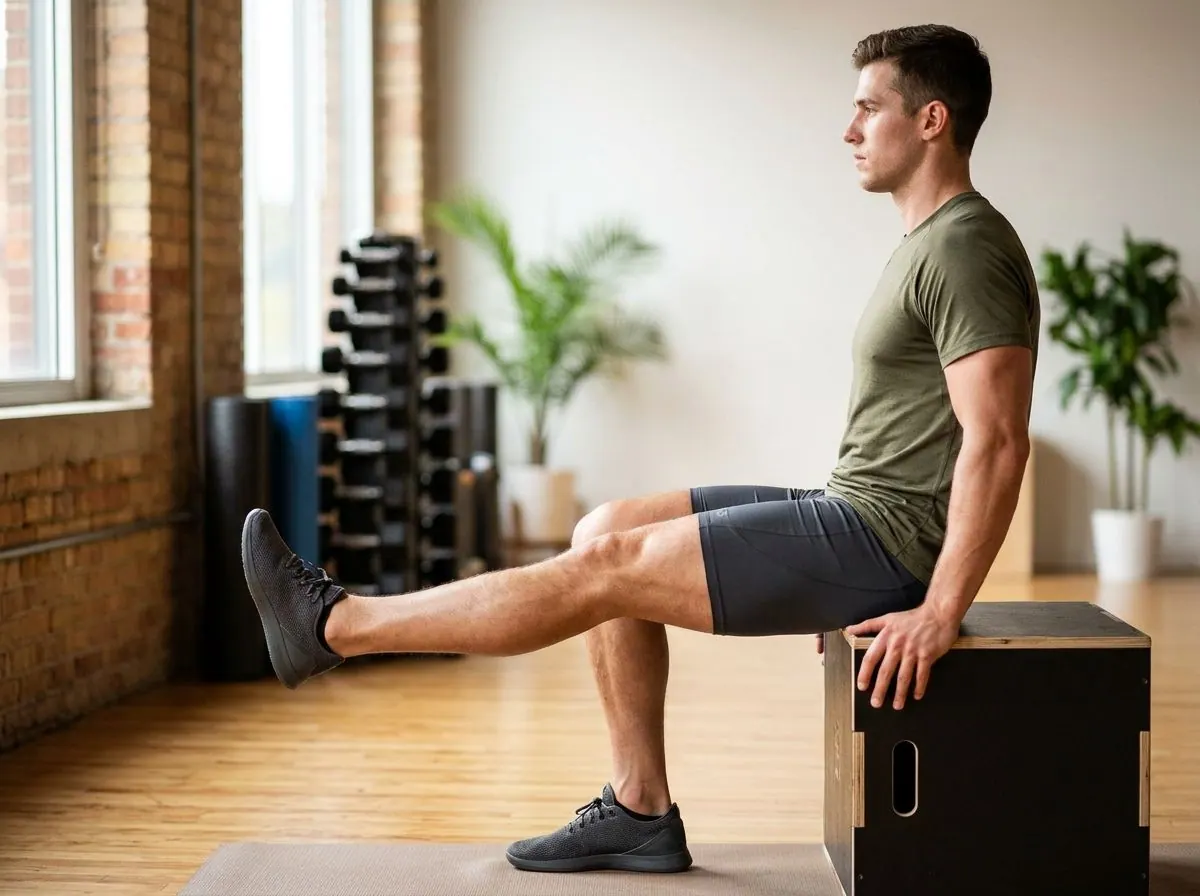
The key distinction is between appropriate exercise and aggravating activity. Low-impact options — swimming, cycling, walking on flat surfaces, and water aerobics — maintain strength and mobility without hammering the joint. High-impact activities like running on hard pavement or heavy jumping sports should be modified or temporarily avoided during painful flare-ups.
Strength training, when done correctly, is one of the best things a person with chronic knee pain can do. Building the quadriceps, hamstrings, and hip muscles offloads the joint significantly. The critical word there is correctly — poor form during exercises like squats or lunges can make things considerably worse, which is why supervised physiotherapy is so valuable.
What Is the Difference Between a Cartilage Tear and a Ligament Tear in the Knee?
Cartilage (meniscus) tear:
- Often occurs from twisting the knee while the foot is planted on the ground
- Pain tends to be localized to the inner or outer joint line
- Common symptoms include clicking, locking, and difficulty fully straightening the knee
- Swelling usually develops gradually over 24 to 48 hours
- Diagnosed most reliably with MRI imaging
- Treatment ranges from physiotherapy and activity modification to arthroscopic surgery, depending on tear size and location
Ligament tear:
- Typically caused by a sudden impact, hyperextension, or rapid change of direction
- Often accompanied by a loud pop heard or felt at the moment of injury
- Swelling develops rapidly, often within hours
- The joint may feel unstable or give way during weight-bearing
- ACL tears are the most common serious ligament injury in sports
- Treatment depends on the specific ligament, severity of the tear, and the patient's activity level — ranging from bracing and physiotherapy to reconstructive surgery
Living with knee pain that simply will not go away is exhausting, and it tends to affect far more than just the knee itself — sleep, mood, mobility, and independence all take a hit over time. Understanding the causes of persistent knee pain is the essential starting point, but knowledge alone does not fix the problem. What actually fixes it is accurate diagnosis followed by the right treatment, in the right sequence, from someone who genuinely knows the joint inside and out. If you are ready to stop guessing and start getting real answers, reach out to Dr. Mohammed Ali Balharith — an orthopedic surgery and trauma consultant with the expertise to assess your specific situation and guide you toward a solution that lasts.
Related
questions
Ready to talk
about your joint?
Dr. Mohammed Ali Balhareth — consultant orthopedic surgeon specializing in hip & knee replacement, reconstruction, and trauma surgery in Riyadh.
WHATSAPP THE CLINIC ↗Dr. Sulaiman Al Habib Medical Group — Al Hamra Hospital
Sun, Tue, Wed · 4:00–8:00 PM