the causes of weak joints and their treatment
Joint problems are one of the most common reasons people visit an orthopedic clinic — and yet most people wait far too long before doing anything about them. Understanding the causes of weak joints and their treatment is not just useful medical trivia; it is genuinely life-changing knowledge that can prevent minor stiffness from becoming a serious, mobility-limiting condition. The human body has hundreds of joints, each playing a critical role in movement, balance, and structural support.
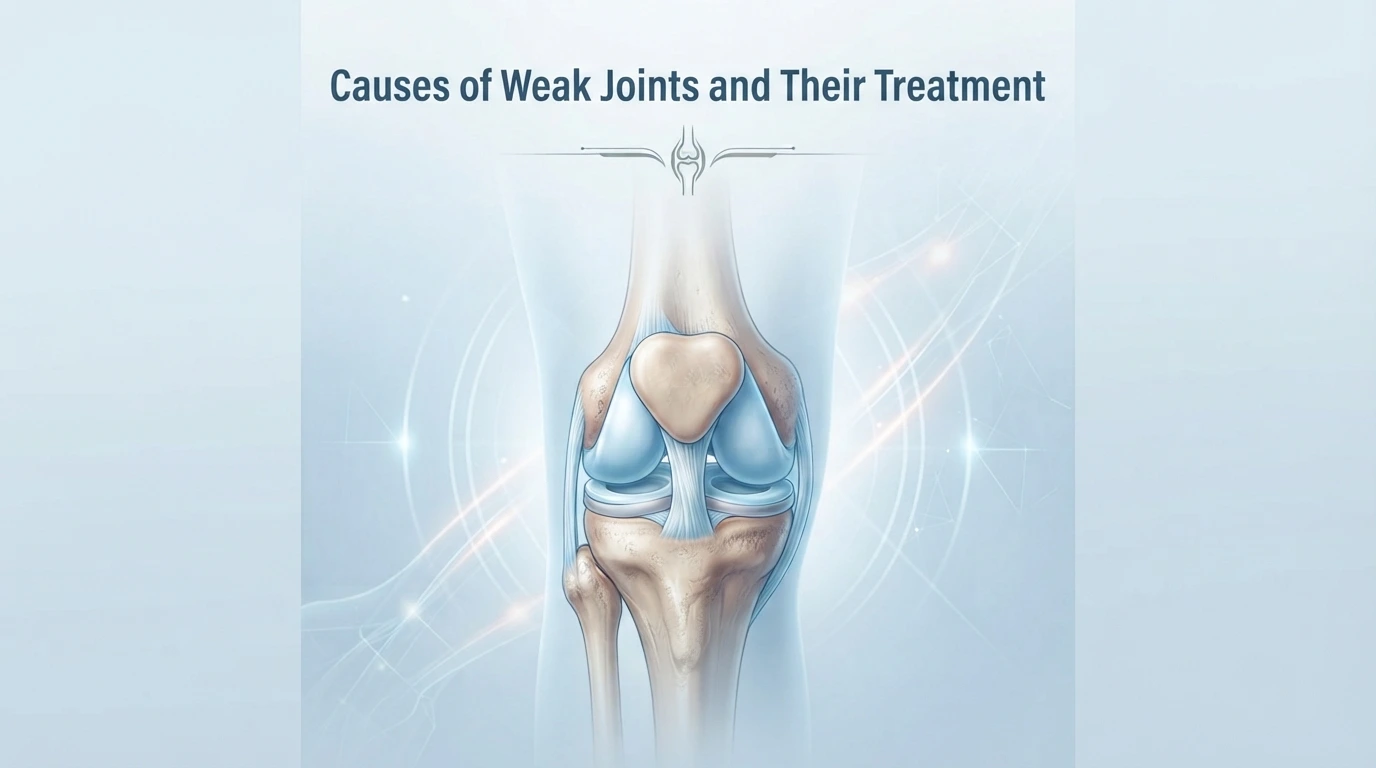
Joint problems are one of the most common reasons people visit an orthopedic clinic — and yet most people wait far too long before doing anything about them. Understanding the causes of weak joints and their treatment is not just useful medical trivia; it is genuinely life-changing knowledge that can prevent minor stiffness from becoming a serious, mobility-limiting condition. The human body has hundreds of joints, each playing a critical role in movement, balance, and structural support.
The causes of weak joints and treatment options vary enormously depending on the underlying condition, a person's age, lifestyle, and overall health status. That is why consulting a qualified specialist matters so much. At Dr. Mohammed Ali Al-Hareth Clinic, an orthopedic and trauma surgery consultant practice, patients receive accurate diagnosis and a management plan tailored to their specific situation — not a generic protocol applied to everyone who walks through the door.
What Are Joint Pain and Joint Weakness?
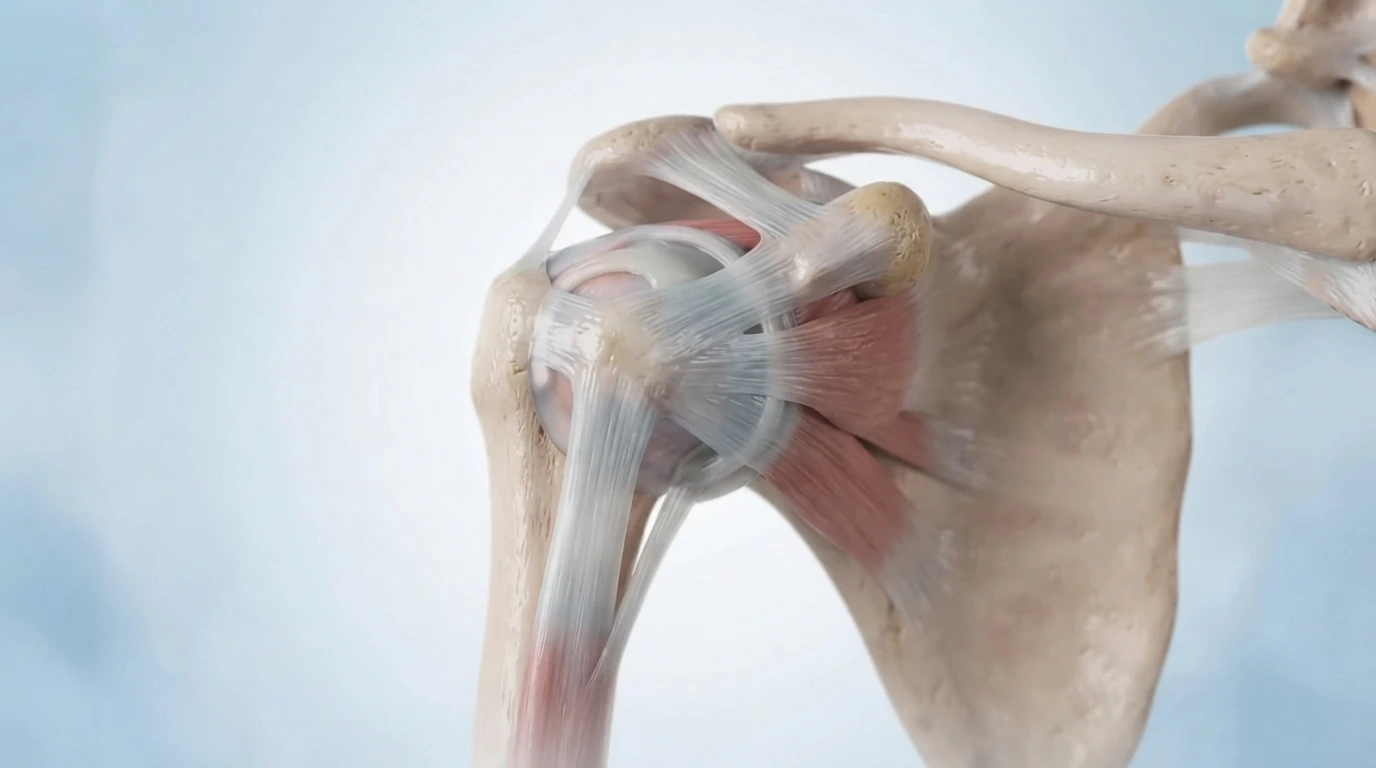
Joints are the meeting points between bones — the structures that allow your knees to bend, your shoulders to rotate, and your fingers to grip. There are several types of joints in the human body, including hinge joints like the knee and elbow, ball-and-socket joints like the hip and shoulder, and gliding joints found in the wrists and ankles. Each type has its own mechanical demands and vulnerability profile.
Joint pain — what many describe simply as "aching bones and joints" — refers to discomfort, soreness, or inflammation within or around these structures. Weakness, on the other hand, is the reduced ability of the joint to support load or maintain stable movement. These two symptoms often appear together, and when they do, they signal that something within the joint's complex architecture — cartilage, ligament, tendon, or synovial lining — is under stress or actively damaged.
What's interesting here is that people often confuse bone pain with joint pain. Bone pain tends to be deep, aching, and constant, while joint pain is typically localized to a specific hinge or socket and worsens with movement. Knowing the difference helps a specialist narrow down the cause much faster.
What Are the Causes of Weak Joints and Their Treatment
The causes of weak joints and their treatment are deeply interconnected — you cannot address one without understanding the other. Joint weakness rarely appears overnight. It develops through a combination of mechanical wear, immune responses, trauma, infection, or metabolic imbalance. Identifying the precise driver is the first step toward effective management.
Degenerative Joint Disease (Osteoarthritis)
Osteoarthritis is the most prevalent cause of joint pain globally. It occurs when the cartilage cushioning the ends of bones gradually wears away, leaving bone rubbing against bone. This is particularly common in weight-bearing joints — the knees, hips, and spine. Patients typically describe a deep, grinding discomfort that worsens after activity and eases with rest, at least in the early stages. Over time, stiffness, swelling, and reduced range of motion become constant companions rather than occasional visitors.
Treatment ranges from physiotherapy, weight management, and anti-inflammatory medications in mild cases, all the way to joint replacement surgery in advanced presentations. Early intervention is always preferable.
Rheumatoid Arthritis
Unlike osteoarthritis, rheumatoid arthritis is an autoimmune condition — the body's immune system mistakenly attacks the synovial membrane that lines the joints. The result is chronic inflammation, joint deformity, and significant pain that affects multiple joints simultaneously, often symmetrically. Morning stiffness lasting more than an hour is a classic red flag.
Managing rheumatoid arthritis typically involves disease-modifying antirheumatic drugs (DMARDs), biological therapies, and careful orthopedic monitoring to address any structural damage that accumulates over time. Left untreated, it can cause irreversible joint destruction.
Injuries and Physical Trauma
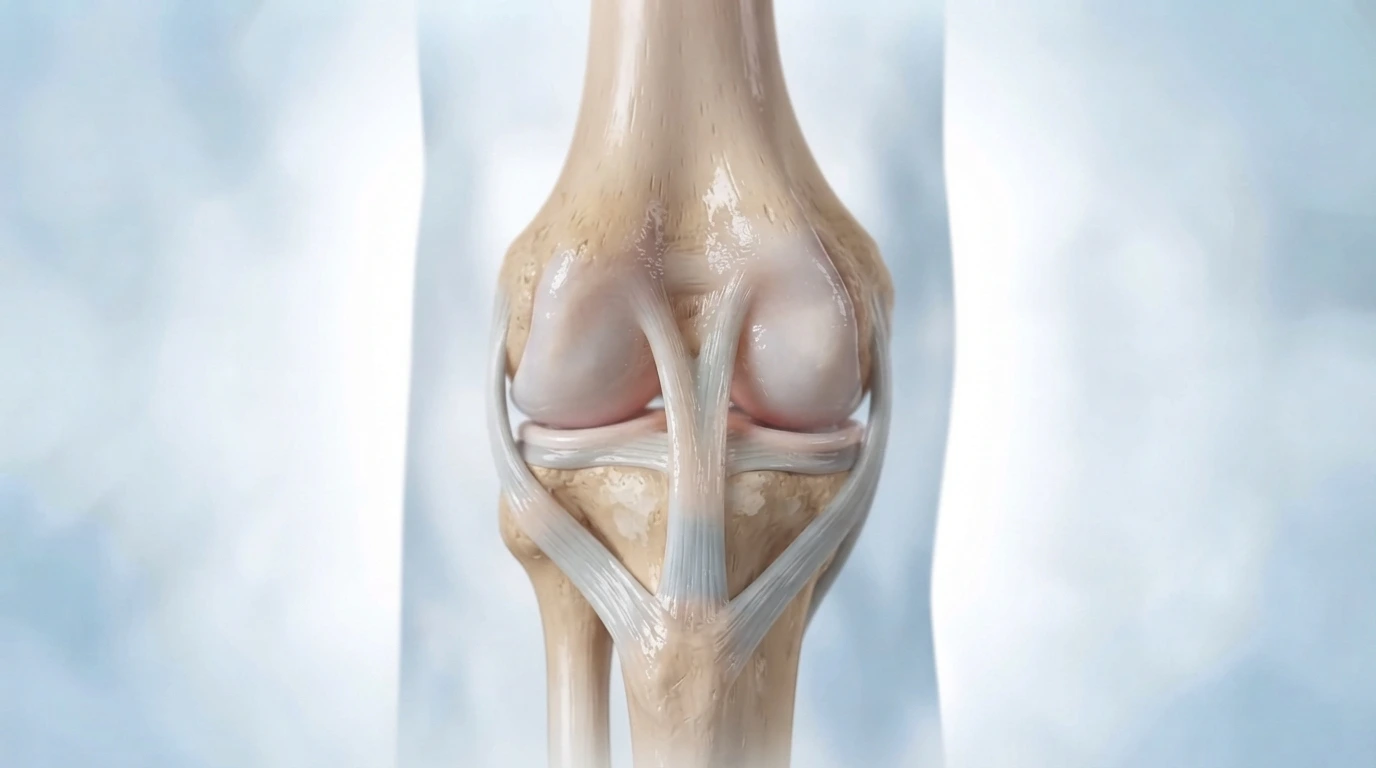
Acute injuries are a leading cause of both immediate and long-term joint weakness. A knee cartilage tear, for example, is an extremely common sports and accident injury that can destabilize the entire knee joint if not treated promptly. Similarly, an ankle ligament tear can alter the biomechanics of the foot and lower limb for years if it heals incorrectly or incompletely.
Trauma-related joint problems are a core area of expertise at Dr. Mohammed Ali Al-Hareth Clinic, where orthopedic and trauma surgery consultants assess both the acute injury and its long-term structural implications. Prompt, accurate diagnosis — often using MRI or ultrasound — makes an enormous difference in outcomes.
Tendinitis and Bursitis
Tendinitis is inflammation of a tendon, and bursitis is inflammation of the small fluid-filled sacs (bursae) that cushion joints. Both conditions cause localized pain that is often sharp during movement and tender to touch. They are particularly common in the shoulder, elbow, knee, and hip, and frequently result from repetitive motion, overuse, or sudden increases in physical activity.
Here's the thing — many people dismiss tendinitis as "just soreness" and push through it. That decision almost always extends recovery time and can lead to partial tendon tears that require far more aggressive treatment.
Gout and Acid Accumulation
Gout develops when uric acid crystals accumulate within a joint, triggering sudden, intense episodes of pain, redness, and swelling. The big toe is the classic site, but gout can affect the ankles, knees, and wrists too. Dietary choices — particularly high intake of red meat, shellfish, and alcohol — drive uric acid levels up, making gout very much a lifestyle-influenced condition.
Treatment focuses on reducing uric acid through medication, dietary changes, and adequate hydration. During acute attacks, anti-inflammatory drugs provide relief. Long-term management is essential to prevent joint damage from recurrent crystal deposits.
Bacterial and Viral Infections
Septic arthritis — a joint infection caused by bacteria — is a medical emergency. It causes rapid-onset, severe joint pain, fever, and significant swelling, most commonly in the knee. Viral infections, including some respiratory illnesses, can also trigger reactive arthritis, where joint inflammation develops as a secondary immune response days or weeks after the initial infection.
Infectious causes of what people describe as body bone pain require immediate medical evaluation. Delays in treating septic arthritis can lead to permanent joint destruction within days.
Symptoms of Joint Pain and Weakness
- Persistent aching or sharp pain localized to one or more joints, often worsening with movement or after periods of inactivity
- Morning stiffness lasting anywhere from a few minutes to several hours, depending on the underlying cause
- Visible swelling, warmth, or redness around the affected joint
- A grinding, clicking, or popping sensation during movement — particularly common in knee and shoulder problems
- Reduced range of motion, making everyday activities like climbing stairs, gripping objects, or turning the head increasingly difficult
- Muscle weakness around the joint, as surrounding muscles compensate for instability
- Fatigue and general malaise, especially when inflammation is systemic as in rheumatoid conditions
Risk Factors
- Age: cartilage naturally thins and loses elasticity over time, making older adults significantly more susceptible to degenerative joint disease
- Excess body weight: every kilogram of extra weight places several kilograms of additional force through the knee and hip joints with each step
- Sedentary lifestyle: joints rely on movement to receive nutrients through synovial fluid; prolonged inactivity accelerates degeneration
- Previous joint injuries: a history of ankle ligament tears, knee cartilage damage, or other trauma substantially raises the risk of early-onset arthritis
- Genetic predisposition: rheumatoid arthritis, gout, and osteoporosis all have meaningful hereditary components
- Occupation and repetitive movements: jobs or sports requiring repetitive bending, lifting, or impact loading place chronic stress on specific joints
- Poor nutrition: inadequate calcium, vitamin D, and collagen-supporting nutrients weaken bones and connective tissue alike
Diagnosing Joint Pain and Weakness
Accurate diagnosis is the foundation of effective treatment. A thorough clinical evaluation starts with a detailed history — when the pain began, what aggravates or relieves it, whether it is constant or intermittent, and whether other joints are involved. Physical examination assesses range of motion, tenderness, swelling, and stability.
Imaging plays a central role. X-rays reveal bone changes, joint space narrowing, and signs of osteoarthritis. MRI provides detailed soft tissue information — essential for evaluating a suspected knee cartilage tear or ligament injury. Ultrasound is useful for dynamic assessment of tendons and detecting fluid in joints. Blood tests help identify inflammatory markers, uric acid levels, rheumatoid factor, and signs of infection.
At Dr. Mohammed Ali Al-Hareth Clinic, the diagnostic approach combines clinical expertise with targeted investigation — the goal being the most precise diagnosis with the least unnecessary testing. This is particularly important when distinguishing between conditions that look similar on the surface but require entirely different treatment strategies.
Treating Joint Pain and Weakness
Treatment is not one-size-fits-all. For degenerative and inflammatory conditions, a layered approach typically begins conservatively — physiotherapy to strengthen muscles around the joint, weight management, and anti-inflammatory medications or targeted injections. For conditions like gout, lifestyle modification combined with medication is highly effective when followed consistently.
Surgical intervention becomes appropriate when conservative measures no longer provide adequate relief or when structural damage demands correction. Knee cartilage repair, ligament reconstruction following an ankle ligament tear, and joint replacement are all procedures performed by orthopedic and trauma surgery consultants with the training to match the right technique to the right patient. Recovery following surgery is heavily influenced by rehabilitation quality — which is why post-operative physiotherapy is considered non-negotiable rather than optional.
understanding the causes of weak joints and their treatment starts with identifying the underlying condition, whether it is arthritis, osteoarthritis, an injury, or another joint disorder. Early diagnosis and appropriate treatment, combined with physiotherapy and lifestyle adjustments, can help improve mobility and manage joint pain. If you are experiencing persistent joint pain or weakness, contact Dr. Mohammed Ali Al-Hareth Clinic to schedule an orthopedic consultation and receive a treatment plan tailored to your condition.
Related
questions
Ready to talk
about your joint?
Dr. Mohammed Ali Balhareth — consultant orthopedic surgeon specializing in hip & knee replacement, reconstruction, and trauma surgery in Riyadh.
WHATSAPP THE CLINIC ↗Dr. Sulaiman Al Habib Medical Group — Al Hamra Hospital
Sun, Tue, Wed · 4:00–8:00 PM