What Are the Symptoms of Osteoporosis
Most people live with weakening bones for years without realizing it — until a fracture happens. Understanding what are the symptoms of osteoporosis is genuinely one of the most valuable things you can do for your long-term health.
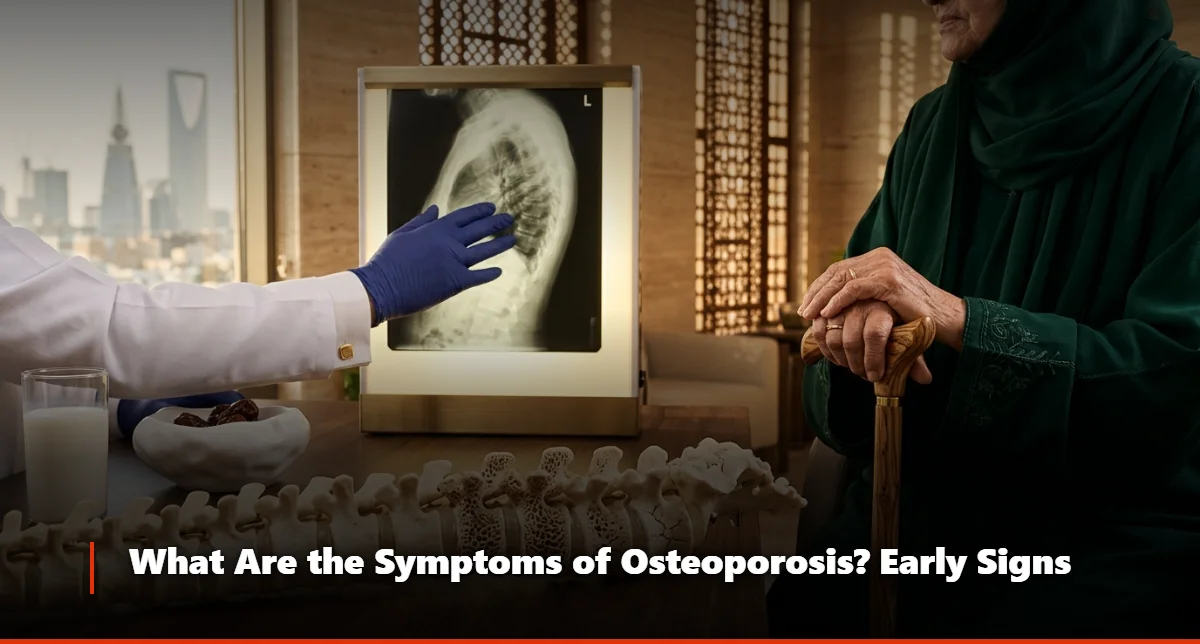
Most people live with weakening bones for years without realizing it — until a fracture happens. Understanding what are the symptoms of osteoporosis is genuinely one of the most valuable things you can do for your long-term health. The condition affects millions of people worldwide, yet it is often dismissed as a normal part of aging rather than a treatable medical problem.
If you are looking for expert guidance on bone health, Dr. Mohammed Ali Balharith, an orthopedic surgery and trauma consultant, provides comprehensive care for patients dealing with bone density loss, fractures, and related conditions. Early awareness is everything here, and the information below is designed to give you a clear, honest picture of what this disease actually looks like.
What Is Osteoporosis?
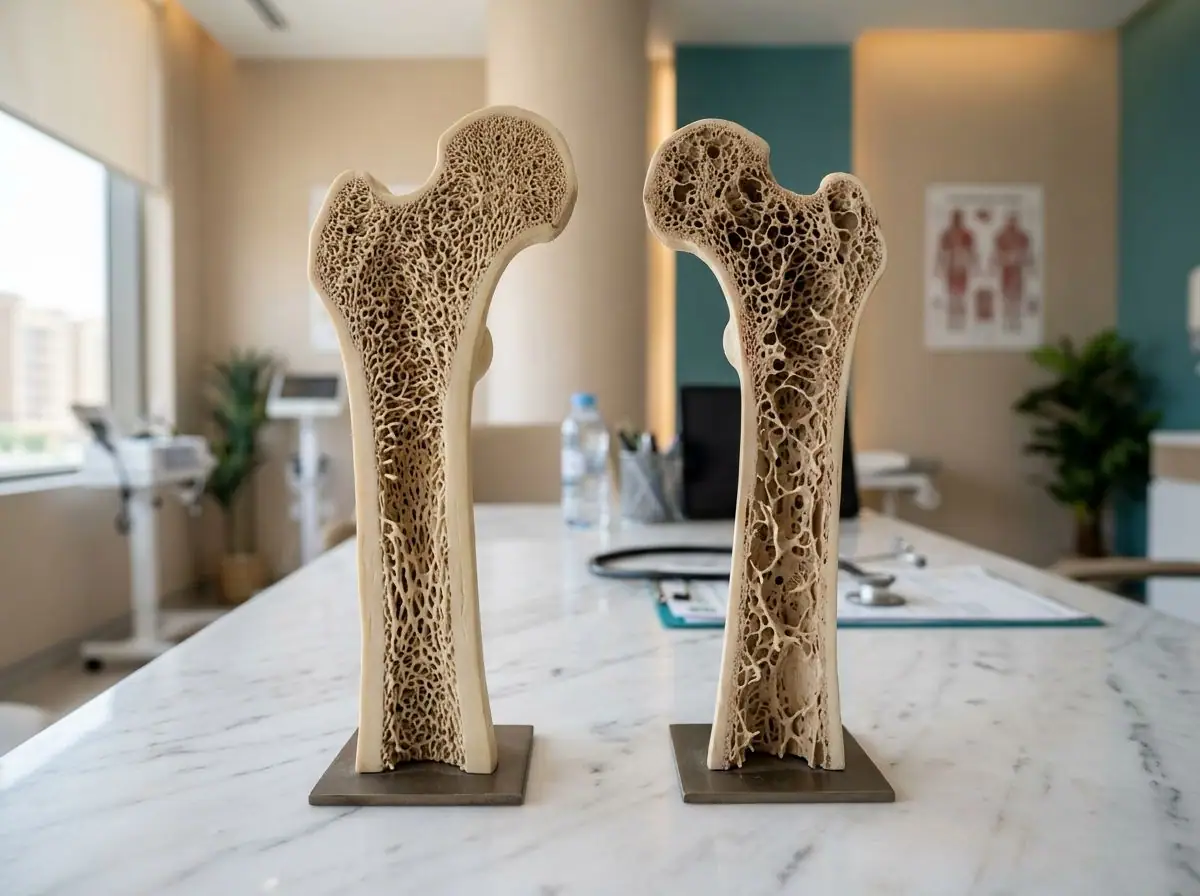
Osteoporosis is a systemic skeletal disease characterized by reduced bone mass and deterioration of bone tissue, which together lead to increased bone fragility and susceptibility to fractures. Think of healthy bone as a dense honeycomb structure — strong, compact, and able to absorb significant stress. In a person with osteoporosis, those honeycomb spaces become dramatically larger, leaving the bone porous, brittle, and far more vulnerable than it should be.
The disease develops silently over many years. There is no pain during the process of bone loss itself, which is precisely what makes it so dangerous. By the time a person sustains a fracture from a minor fall or even a sneeze, the bone density may have already declined substantially. Understanding the causes of bone pain throughout the body and recognizing them early can make an enormous difference in the outcome.
What is interesting here is that osteoporosis is not an inevitable consequence of getting older. Lifestyle choices, nutritional habits, hormonal health, and genetics all play measurable roles. This means that prevention and early treatment are genuinely possible — provided the condition is identified in time.
What Are the Effects of Osteoporosis on Bones?
- Increased fracture risk — Bones lose their structural integrity, making even routine activities like bending forward or lifting a grocery bag capable of causing a break, particularly in the spine, hip, and wrist.
- Vertebral compression fractures — The vertebrae in the spine can collapse under the body's own weight, causing sudden sharp back pain, loss of height, or a visible curvature in the upper back known as a dowager's hump.
- Hip fractures — Among the most serious consequences, especially in elderly patients. Hip fractures often require surgical intervention and carry a significant risk of long-term disability. The types of bone fractures seen in the leg and hip region can be complex and life-altering.
- Wrist and forearm fractures — A common outcome when someone instinctively reaches out to break a fall. These fractures, though less life-threatening, can seriously impair daily function.
- Chronic pain and postural changes — Repeated micro-fractures and spinal compression lead to persistent discomfort, stooped posture, and reduced mobility that affects quality of life at every level.
- Reduced independence — Over time, fear of falling, physical limitations, and recurrent fractures combine to restrict a person's ability to live independently — a reality that proper treatment can help prevent.
What Are the Types of Osteoporosis?
Not all osteoporosis is the same, and the distinction matters when it comes to treatment. Primary osteoporosis is the most common form and occurs as a natural consequence of aging and hormonal changes. It is further divided into two subtypes: Type I, which is directly linked to the hormonal shifts of menopause in women, and Type II, which affects both men and women over the age of 70 as part of the general aging process.
Secondary osteoporosis, on the other hand, develops as a direct result of another medical condition or a medication. Conditions such as rheumatoid arthritis, hyperthyroidism, chronic kidney disease, and prolonged use of corticosteroids are all well-documented causes of osteoporosis in the elderly as well as in younger adults. This distinction is crucial because treating the underlying cause can often slow or even reverse bone loss in secondary cases.
There is also idiopathic juvenile osteoporosis, a rare form that affects children and adolescents with no identifiable cause. While uncommon, it reminds us that osteoporosis is not exclusively a disease of old age. A specialist such as Dr. Mohammed Ali Balharith can help determine which type a patient is dealing with and tailor a treatment plan accordingly.
What Are the Risk Factors for Osteoporosis?
- Age — Bone mass naturally peaks around the age of 30 and gradually declines after that. The older a person is, the greater the accumulated bone loss.
- Sex — Women are significantly more susceptible, particularly after menopause, because the decline in estrogen accelerates bone density loss at a rapid rate.
- Family history — A parent or sibling with osteoporosis or a history of hip fractures substantially increases your personal risk.
- Low body weight — Individuals with a low body mass index tend to have less bone mass to begin with, offering less reserve against age-related loss.
- Nutritional deficiencies — Inadequate calcium and vitamin D intake throughout life are among the most direct causes of osteoporosis and impaired bone maintenance.
- Sedentary lifestyle — Weight-bearing exercise stimulates bone remodeling. A lack of physical activity removes this stimulus entirely, accelerating density loss.
- Smoking and excessive alcohol — Both are toxic to bone-forming cells and interfere with calcium absorption, compounding risk significantly.
- Certain medications — Long-term use of corticosteroids, anticonvulsants, and some cancer therapies can severely deplete bone density over time.
How Is Osteoporosis Diagnosed?
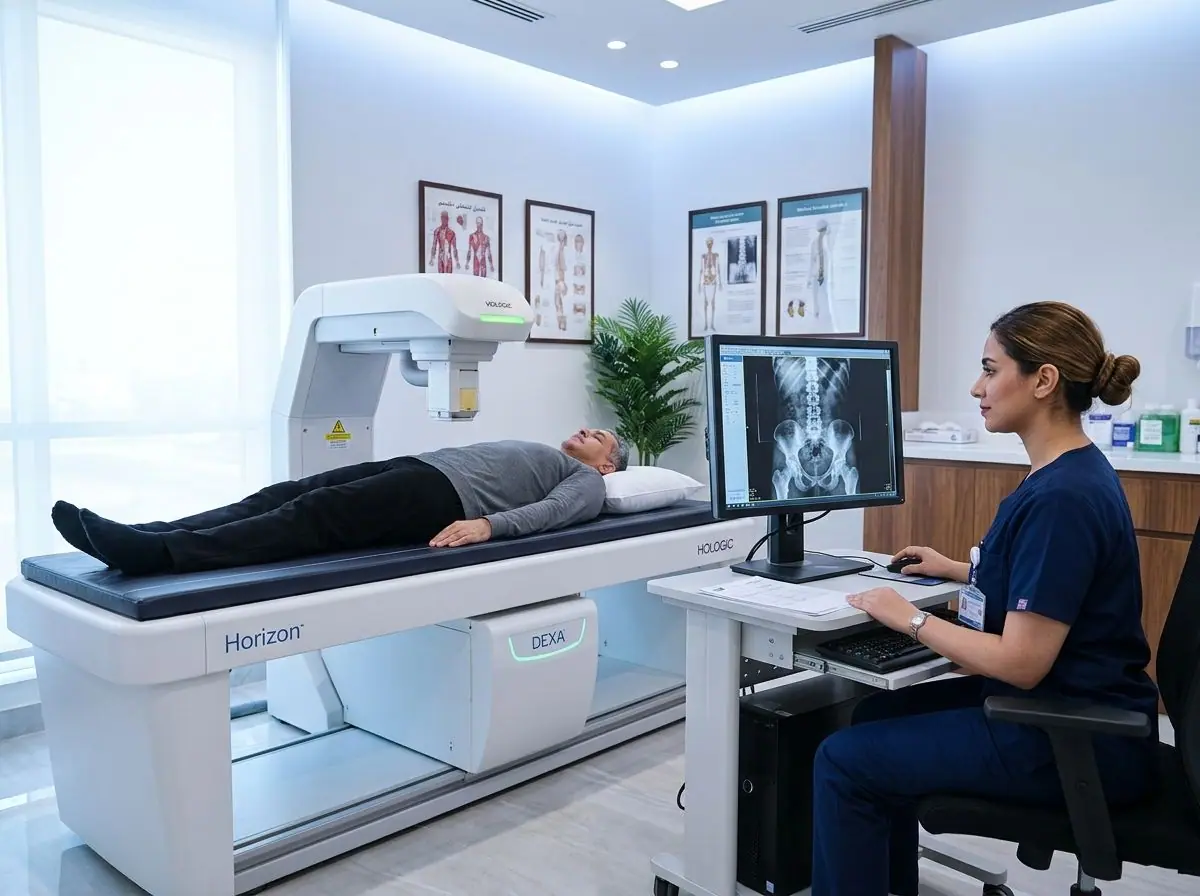
Diagnosis begins with a thorough clinical assessment. A specialist in orthopedic surgery and trauma will review your medical history, evaluate your risk factors, and often order a DEXA scan — dual-energy X-ray absorptiometry — which is the gold standard test for measuring bone mineral density. The results are expressed as a T-score, and a score of -2.5 or below confirms a diagnosis of osteoporosis.
Blood and urine tests may also be ordered to rule out secondary causes and to assess calcium, vitamin D, and hormonal levels. In some cases, X-rays reveal characteristic features such as vertebral fractures that may have occurred without the patient even being aware of them. This is why so many people ask about the difference between osteopenia and osteoporosis — osteopenia represents the intermediate stage where bone density is lower than normal but has not yet reached the threshold for a full osteoporosis diagnosis.
Dr. Mohammed Ali Balharith emphasizes that early diagnostic intervention is the single most effective way to prevent the cascade of complications that osteoporosis can trigger. If you have multiple risk factors, waiting for a fracture to prompt testing is genuinely not a strategy worth considering.
Symptoms of Osteoporosis in Women and Men
Here is the uncomfortable truth: osteoporosis itself produces no symptoms during the years it is developing. The symptoms of osteoporosis only become apparent once significant bone loss has already occurred or a fracture has taken place. That said, there are recognizable signs that a person's bone health may be deteriorating and that warrant a medical evaluation.
In women, the most notable indicators include sudden back pain with no clear injury, a gradual loss of height over time, a forward-stooping posture, and fractures that occur from low-impact events. After menopause, these signs can accelerate rapidly due to the drop in estrogen. Osteoporosis symptoms in women are often the first point of concern that drives patients to consult an orthopedic specialist.
In men, the disease tends to present later and more subtly, which unfortunately means it is diagnosed less frequently and at more advanced stages. Back pain, reduced grip strength, and unexplained fractures — particularly in the hip or spine — are the most common presentations. The causes of osteoporosis in elderly men are often tied to low testosterone levels and long-term use of certain medications. Regardless of sex, anyone experiencing persistent unexplained bone pain should consult the best orthopedic consultant in Riyadh or their local equivalent without delay.
How Can Osteoporosis Be Prevented?
Prevention is not complicated, but it does require consistency. A diet rich in calcium — found in dairy products, leafy green vegetables, and fortified foods — combined with adequate vitamin D, which the body synthesizes through sunlight exposure, forms the nutritional backbone of bone health. Most adults need between 1,000 and 1,200 milligrams of calcium daily, yet surveys consistently show that the majority fall well short of this target.
Weight-bearing exercise is equally important. Activities such as walking, jogging, dancing, and resistance training all apply mechanical stress to bones, which stimulates the bone-remodeling process and helps maintain density. Even 30 minutes of moderate activity most days of the week can make a measurable difference over years and decades.
Avoiding smoking and moderating alcohol consumption are non-negotiable protective measures. Both habits damage the cells responsible for building new bone and impair the absorption of nutrients that bone tissue depends on. If you are taking medications known to affect bone density, discussing alternatives or protective strategies with a doctor who specializes in orthopedic surgery and trauma is a smart, proactive step.
Tips for Living with Osteoporosis
- Follow your prescribed treatment plan consistently — whether it involves bisphosphonates, calcium supplements, or hormonal therapy, adherence is what determines outcomes.
- Make your home fall-proof by removing trip hazards, installing grab bars in bathrooms, and ensuring all areas are well lit, particularly at night.
- Continue exercising under medical guidance — low-impact activities such as swimming, tai chi, and walking improve balance and reduce fracture risk significantly.
- Never skip follow-up DEXA scans; monitoring bone density over time is the only reliable way to know whether your treatment is working.
- Discuss your bone health openly with your orthopedic consultant — a knee specialist or general orthopedic surgeon like Dr. Mohammed Ali Balharith can identify related joint issues that compound mobility challenges.
- Maintain a healthy body weight, since both extremes — underweight and obesity — negatively affect bone and joint health in different but significant ways.
- Connect with a support group or physiotherapist who understands musculoskeletal conditions; the psychological dimension of chronic bone disease is real and deserves attention.
Understanding the symptoms of osteoporosis is an important step toward protecting your bone health and reducing the risk of fractures. Early diagnosis, appropriate medical treatment, proper nutrition, and regular physical activity can help manage the condition and prevent further bone loss. If you experience persistent back pain, unexplained fractures, or changes in posture, consult Dr. Mohammed Ali Balharith, Orthopedic Surgery and Trauma Consultant, for a professional assessment and a treatment plan tailored to your needs.
Related
questions
Ready to talk
about your joint?
Dr. Mohammed Ali Balhareth — consultant orthopedic surgeon specializing in hip & knee replacement, reconstruction, and trauma surgery in Riyadh.
WHATSAPP THE CLINIC ↗Dr. Sulaiman Al Habib Medical Group — Al Hamra Hospital
Sun, Tue, Wed · 4:00–8:00 PM