Causes of Leg Muscle Cramps
Few things are as jarring as waking up at two in the morning to a vice-like grip of pain shooting through your calf. The causes of leg muscle cramps are more varied and nuanced than most people realize and understanding them is the first step toward actually doing something about it.
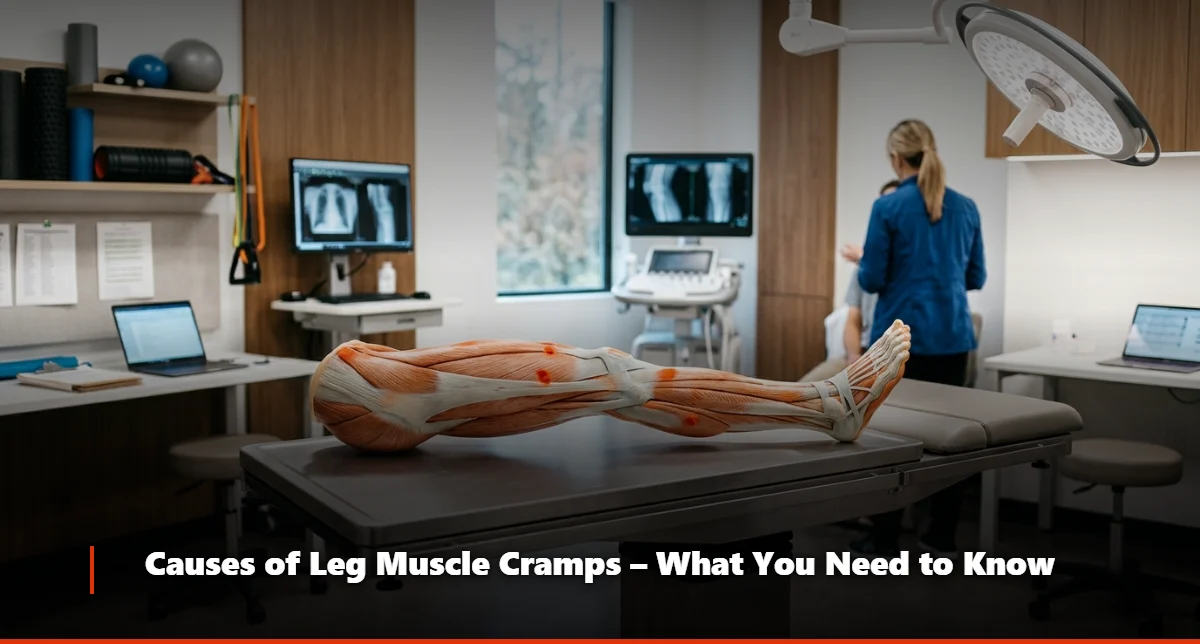
Few things are as jarring as waking up at two in the morning to a vice-like grip of pain shooting through your calf. The causes of leg muscle cramps are more varied and nuanced than most people realize and understanding them is the first step toward actually doing something about it. These involuntary contractions can last seconds or drag on for minutes, leaving behind soreness that lingers well into the next day.
For anyone dealing with recurrent episodes, getting a proper evaluation matters far more than guessing at home remedies. Dr. Mohammed Ali Balhaarith, an orthopedic surgery and trauma consultant, sees patients with this complaint regularly and emphasizes that persistent or severe cramps should never be brushed off as just a nuisance. His approach combines clinical assessment with practical, evidence-based guidance tailored to each patient's lifestyle and medical history.
Causes of Leg Cramps
The causes of leg muscle cramps span a surprisingly wide spectrum. At the most basic level, dehydration is one of the biggest culprits — when your body is short on fluids, the electrical signals that coordinate muscle contractions go haywire. Electrolyte imbalances, particularly low levels of potassium, magnesium, and calcium, make things significantly worse. These minerals play a direct role in how muscles contract and relax, and even a mild deficiency can trigger a muscle spasm that feels completely out of proportion to its cause.
Overexertion is another major factor. Many people experience a muscle pull in the leg after intense physical activity, especially when they push themselves harder than their current fitness level allows. The causes of leg muscle cramps tied to exercise often come down to muscle fatigue — the fibers have been worked past their comfortable threshold and respond by seizing up. What's interesting here is that the cramp often doesn't hit during the workout itself, but hours later when you're trying to rest.
Poor circulation also plays a significant role, particularly in older adults. When blood flow to the lower limbs is restricted, muscles don't receive adequate oxygen and nutrients, making them far more susceptible to involuntary contraction. Sitting or standing in the same position for extended periods compounds this problem. Understanding the types of joints in the human body and how surrounding musculature supports them helps explain why certain postures chronically predispose people to cramping.
Symptoms of Leg Cramps
- A sudden, sharp pain in the calf, foot, or thigh that appears without warning
- A visibly hard or knotted muscle beneath the skin during the episode
- Temporary inability to move the affected leg normally until the cramp releases
- Lingering soreness or tenderness in the muscle for several hours after the cramp passes
- Occasional nighttime episodes that disrupt sleep repeatedly over days or weeks
- A sensation of tightness or fatigue in the leg even between cramp episodes
- In cases linked to causes of thigh pain after exercise, discomfort that extends beyond the calf into the upper leg
How Is Leg Cramping Diagnosed?
Diagnosis begins with a thorough conversation. A specialist like Dr. Mohammed Ali Balhaarith will ask about the frequency, timing, and duration of cramps, along with your hydration habits, medication list, and activity level. This context matters enormously — a cramp that hits every night in a 65-year-old with diabetes tells a very different story than one that occurs occasionally in a 25-year-old marathon runner.
Physical examination follows, checking muscle tone, reflexes, and circulation in the lower extremities. Blood tests can reveal electrolyte deficiencies or flag underlying conditions such as kidney disease or thyroid dysfunction. In some cases, imaging is warranted — particularly when there's a concern about nerve compression, early cartilage wear, or degrees of knee roughness that may be contributing to compensatory muscle strain. A specialist knee doctor may also assess whether referred pain from the joint is playing a role in what appears to be a straightforward muscle problem.
Treatment for Leg Cramps
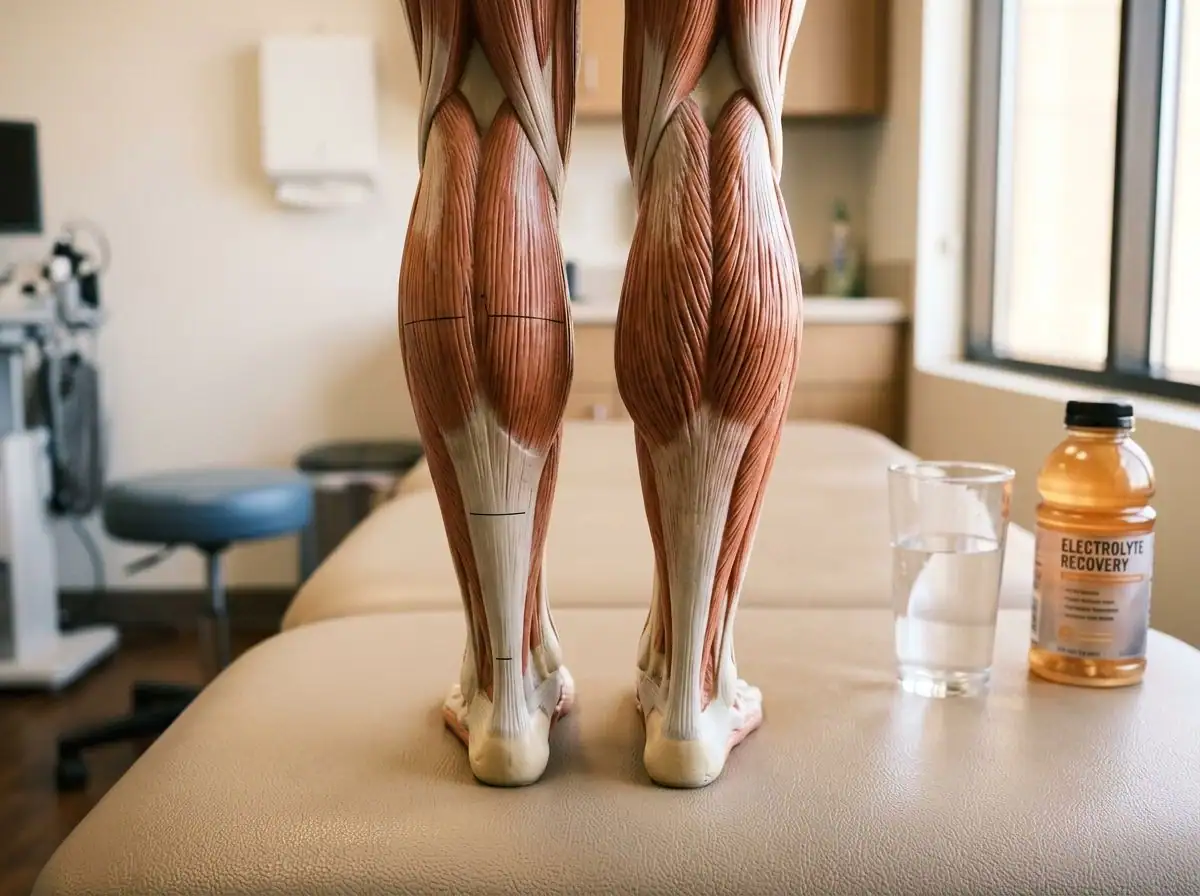
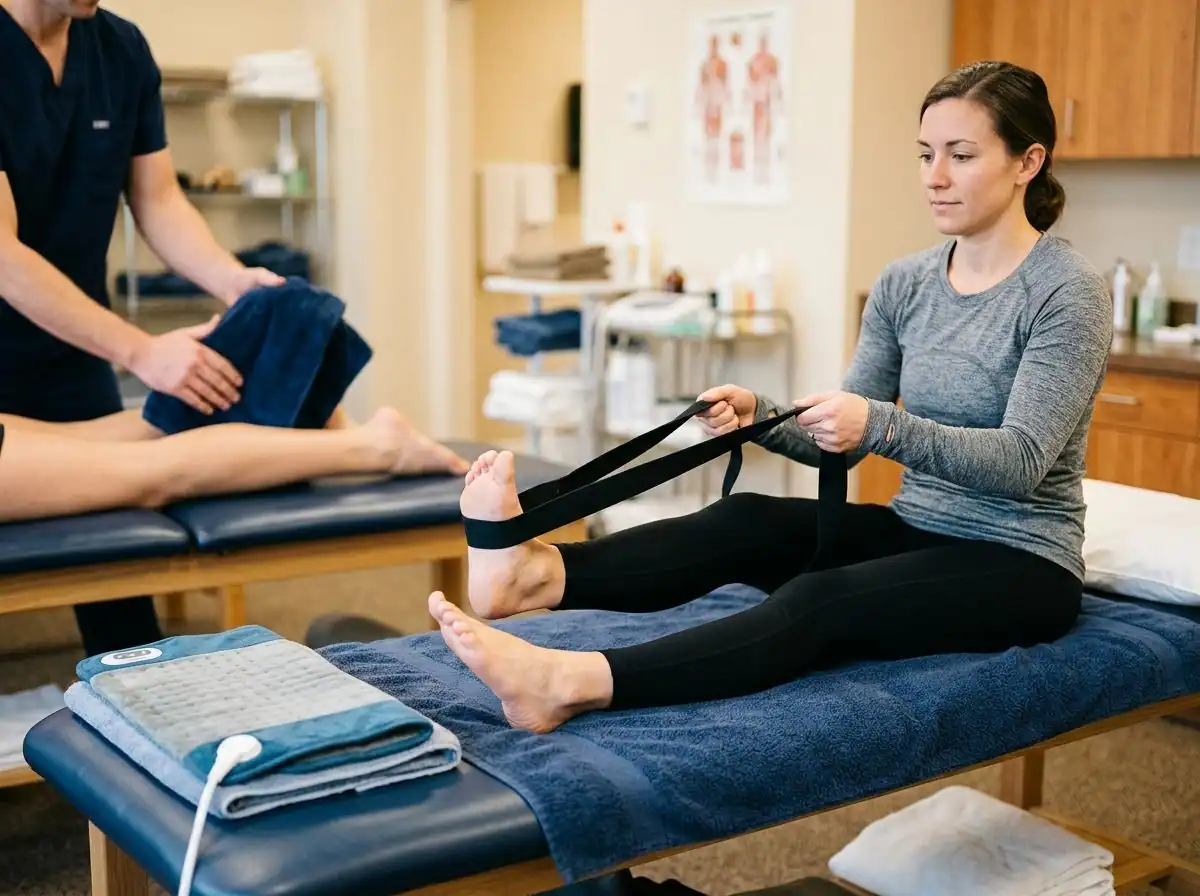
For acute episodes, the immediate goal is breaking the spasm. Stretching the affected muscle — gently pulling the toes toward the shin for a calf cramp — is consistently effective and can be done anywhere. Applying heat relaxes the contracted fibers, while ice can help if there's associated soreness afterward. Staying well-hydrated and replenishing electrolytes addresses one of the root causes of leg muscle cramps and reduces how often they recur.
When cramps are tied to medication side effects — statins and diuretics are common offenders — adjusting the prescription under medical supervision often resolves the issue. Treatment for muscle strain that stems from overuse typically involves a combination of rest, physical therapy, and progressive reconditioning. Dr. Mohammed Ali Balhaarith, serving as a trusted orthopedic surgery and trauma consultant, recommends that patients not self-medicate with muscle relaxants long-term without professional guidance, since underlying causes need addressing rather than just masking the symptom.
For patients whose cramping relates to structural issues — such as causes of early cartilage wear in the knee or hip — a more targeted orthopedic plan may be necessary. The best orthopedic consultant in Riyadh will look at the full musculoskeletal picture rather than treating the cramp in isolation.
Tips for Living with Leg Cramps
- Keep a simple cramp diary — note the time, duration, and what you were doing beforehand so your doctor can spot patterns
- Stretch your calf and hamstring muscles every evening before bed, holding each stretch for at least 30 seconds
- Stay consistently hydrated throughout the day rather than drinking large amounts all at once
- Adjust your sleeping position — keeping blankets loose at the foot of the bed prevents your feet from being forced into a downward-pointing posture that triggers cramps
- If you sit for long hours, set a reminder to stand, walk, and move your ankles every 45 to 60 minutes
- Work with a physiotherapist to build a balanced strengthening routine that addresses any muscle imbalances contributing to your leg muscle strain
How Can Leg Cramps Be Prevented?
Prevention is genuinely achievable for most people once the underlying triggers are identified. Hydration is foundational — aiming for consistent fluid intake rather than playing catch-up at the end of the day makes a meaningful difference. Including potassium-rich foods like bananas and sweet potatoes, along with magnesium from nuts and leafy greens, helps maintain the electrolyte balance that keeps muscles behaving predictably.
Regular, progressive exercise is protective rather than risky when done correctly. Warming up properly before activity and cooling down afterward — with deliberate stretching of the calves, hamstrings, and quads — significantly reduces the frequency of muscle spasms. Footwear matters too: worn-out shoes with inadequate arch support force leg muscles to compensate in ways that set the stage for cramping.
How Long Do Leg Cramps Last?
Most cramp episodes resolve on their own within a few seconds to about ten minutes. The intense, acute phase — where the muscle is locked in contraction — typically peaks within the first minute and then gradually releases. What catches people off guard is the aftermath: the muscle often remains sore and tender for anywhere from a few hours to a full day, particularly after a severe episode.
Nighttime cramps that wake someone from sleep can feel longer than they are because the disorientation of being suddenly awoken amplifies the perception of pain. Persistent muscle spasms that last longer than ten minutes without any sign of releasing, or that occur multiple times within a single night, warrant prompt medical attention rather than waiting to see if they settle on their own.
What Is the Difference Between Leg Cramps and Restless Legs Syndrome?
This is a distinction worth getting right because people frequently confuse the two. Leg cramps involve an actual, involuntary muscle contraction — the muscle physically seizes, causing intense localized pain. Restless legs syndrome (RLS), by contrast, is a neurological condition characterized by an uncomfortable urge to move the legs, often described as a crawling, itching, or pulling sensation deep inside the limb. There is no muscle contraction in RLS, and the discomfort is typically relieved — at least temporarily — by moving around.
RLS tends to be a chronic, ongoing condition that follows a predictable pattern of worsening in the evening. Leg cramps, while they do often occur at night, are episodic and acute. A specialist knee doctor or orthopedic consultant can help distinguish between the two, since their management pathways are entirely different.
What Medical Problems Can Cause Leg Cramps?
Several systemic conditions create an environment where leg muscle strain and cramping become chronic problems. Peripheral artery disease narrows the blood vessels supplying the legs, depriving muscles of oxygen during activity and at rest. Diabetes — particularly when poorly controlled — damages peripheral nerves, disrupting the normal signaling that governs muscle contraction. Kidney disease alters electrolyte balance in ways that directly provoke muscle spasms.
Thyroid disorders, both underactive and overactive, affect muscle function broadly. Liver cirrhosis has a well-documented association with nocturnal leg cramps, the exact mechanism of which is still being studied. Even pregnancy — especially in the third trimester — commonly produces cramping due to the combination of increased circulatory demand, altered mineral levels, and pressure on the sciatic nerve. Degrees of knee roughness and joint degeneration can also alter gait mechanics in ways that create compensatory muscle tension throughout the lower leg.
Understanding the Causes of Leg Muscle Cramps is the first step toward finding lasting relief and preventing recurring episodes. While dehydration, electrolyte imbalances, and muscle fatigue are common triggers, frequent cramps may sometimes point to an underlying medical condition that requires proper evaluation. Identifying the actual cause helps ensure that treatment addresses the problem rather than temporarily relieving the pain.
If you experience recurring leg cramps, persistent soreness, or cramps accompanied by swelling or weakness, don't ignore these symptoms. Schedule a consultation with Dr. Mohammed Ali Balhaarith in Riyadh to receive a proper assessment and a treatment plan tailored to your condition.
Related
questions
Ready to talk
about your joint?
Dr. Mohammed Ali Balhareth — consultant orthopedic surgeon specializing in hip & knee replacement, reconstruction, and trauma surgery in Riyadh.
WHATSAPP THE CLINIC ↗Dr. Sulaiman Al Habib Medical Group — Al Hamra Hospital
Sun, Tue, Wed · 4:00–8:00 PM