The symptoms of a knee cartilage tear
If you have ever felt a sharp, locking sensation deep inside your knee after a twist or a fall, you already know something is wrong — and you are right to take it seriously. The symptoms of a knee cartilage tear are not always dramatic at first, which is exactly why so many people dismiss the pain until it becomes chronic and far harder to manage. Understanding what your body is signaling is the first step toward getting the right help.
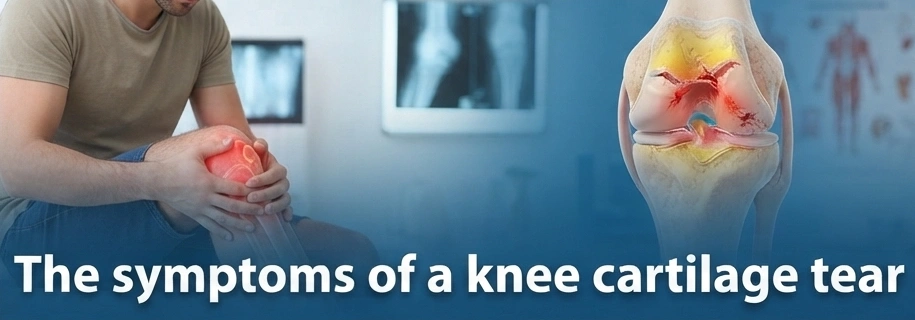
If you have ever felt a sharp, locking sensation deep inside your knee after a twist or a fall, you already know something is wrong — and you are right to take it seriously. The symptoms of a knee cartilage tear are not always dramatic at first, which is exactly why so many people dismiss the pain until it becomes chronic and far harder to manage. Understanding what your body is signaling is the first step toward getting the right help.
At the clinic of Dr. Mohamed Ali Al-Harith, a specialist in orthopedic and trauma surgery, patients come in every week having lived with undiagnosed knee injuries for months. The pattern is almost always the same: early warning signs were ignored, pain progressed, and what could have been a simple intervention became a more complex case. That experience shapes everything in this guide — practical, honest information you can actually use.
What Is Meant by a Knee Cartilage Tear?
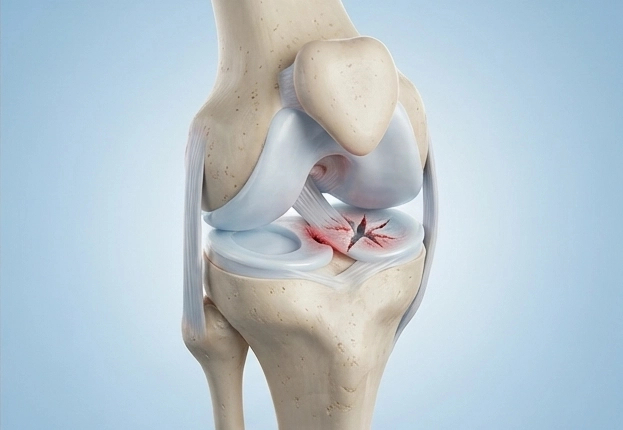
The knee joint relies on two distinct types of cartilage to function properly. The first is the meniscal cartilage — two crescent-shaped pads of fibrocartilage that sit between the femur and tibia, acting as shock absorbers and stabilizers. The second is the articular cartilage, the smooth, glossy tissue that coats the ends of the bones and allows them to glide against each other with minimal friction. When people talk about a knee cartilage tear, they are usually referring to damage to one or both of these structures.
Knee cartilage damage does not always happen in a single dramatic moment. Yes, sports injuries, sudden pivoting, and heavy falls are common culprits — but gradual wear from repetitive strain or joint overloading can cause just as much damage over time. This is why conditions like knee cartilage inflammation often appear alongside a structural tear, complicating both the diagnosis and the recovery. The knee is not a simple hinge; it is a complex, load-bearing system, and when one part fails, the rest compensates — usually badly.
What Are the Symptoms of a Knee Cartilage Tear?
- Sudden or progressive knee pain, often localized to one side of the joint
- A distinct clicking, popping, or grinding sensation during movement
- Knee locking — the joint gets temporarily stuck and cannot fully straighten
- Swelling that develops within hours of an injury or gradually over days
- A feeling of instability or giving way, especially on stairs or uneven ground
- Stiffness after periods of rest, particularly in the morning
- Limited range of motion that worsens with activity
- Deep aching pain that intensifies after prolonged standing or physical exertion

Symptoms of a Meniscal Cartilage Tear
A meniscal cartilage tear tends to announce itself with pain along the inner or outer edge of the knee, depending on which meniscus is involved. What distinguishes it most clearly from other knee injuries is that characteristic locking sensation — the sense that the joint has literally caught on something and refuses to move freely. Patients often describe it as having a piece of something stuck inside the knee, which is not far from the biological truth.
Swelling with a meniscal cartilage tear usually appears within 24 to 48 hours and is often moderate rather than severe. The pain frequently worsens with squatting, kneeling, or rotating the leg, and many patients report that the discomfort eases with rest only to return stubbornly the moment they resume activity. Meniscal cartilage injury treatment should begin as soon as these signs appear — delay allows the torn fragment to cause further damage to the surrounding joint surfaces.
Symptoms of an Articular Cartilage Tear
Articular cartilage damage presents differently. Because articular cartilage has no direct nerve supply, early-stage injuries can be surprisingly painless — the pain arrives later, as surrounding tissues become inflamed and the exposed bone begins to bear abnormal loads. This is what makes articular cartilage tears particularly deceptive and dangerous.
Over time, the symptoms of articular cartilage damage overlap significantly with knee cartilage inflammation: diffuse joint aching, crepitus (a rough grinding sound during movement), and swelling that fluctuates depending on activity levels. Unlike meniscal tears, locking is less common, but the sense of weakness and fatigue in the joint is often more pronounced. A specialist knee doctor is essential here, because misdiagnosis — confusing this with a simple sprain or general arthritis — leads to treatments that simply do not work.
What Is the Treatment for a Knee Cartilage Tear?
Treatment depends almost entirely on two things: the type of tear and how far it has progressed. A small, stable meniscal tear in a younger patient with good blood supply to the area may respond well to conservative management. A large, displaced tear or significant articular cartilage damage in a middle-aged patient will almost certainly require surgical intervention.
At the clinic of Dr. Mohamed Ali Al-Harith, the orthopedic and trauma surgery specialist approach starts with a thorough clinical examination paired with MRI imaging. This gives a clear picture of the tear's exact location, size, and character before any treatment decision is made. Pain management, load reduction, and inflammation control come first — rushing to the operating table without this groundwork rarely produces good outcomes. The cause of bone pain in the body is not always obvious from symptoms alone, and a proper diagnosis changes everything.
What Is the Natural Treatment for a Knee Cartilage Tear?
Physical rehabilitation is the backbone of non-surgical management, and it is far more structured than most people imagine. The goal is not just to relieve pain — it is to rebuild the muscular support around the knee so the joint is no longer bearing loads it was never designed to carry alone. Strengthening the quadriceps, hamstrings, and hip stabilizers takes pressure off the damaged cartilage and gives the tissue a genuine chance to recover.
Cold therapy in the acute phase, graduated weight-bearing, and specific range-of-motion exercises are all part of a well-designed rehabilitation protocol. Patients managing an ankle ligament tear and treatment alongside a knee issue — a combination that does occur in multi-trauma cases — need an even more carefully sequenced program to avoid overloading one joint while protecting another. The timeline for natural recovery varies, but patients who commit fully to their physiotherapy program consistently report better long-term outcomes than those who skip sessions or return to activity too soon.
What Medications Are Used to Treat Knee Cartilage Damage?
- Non-steroidal anti-inflammatory drugs (NSAIDs) such as ibuprofen or naproxen to reduce inflammation and manage pain in the short term
- Corticosteroid injections administered directly into the knee joint to provide targeted, rapid relief from severe inflammation
- Hyaluronic acid injections (viscosupplementation) to improve joint lubrication and reduce friction on damaged knee cartilage surfaces
- Platelet-rich plasma (PRP) therapy, which uses the patient's own blood components to stimulate tissue healing
- Oral supplements such as glucosamine and chondroitin, which some patients find helpful for supporting cartilage health over the long term
What Is Knee Cartilage Surgery?
Surgical options for knee cartilage damage have advanced significantly. Arthroscopy — a minimally invasive procedure using a small camera inserted through tiny incisions — is the most common approach. Depending on what the surgeon finds, the procedure may involve trimming the damaged portion of the meniscus (partial meniscectomy), repairing it with sutures (meniscal repair), or addressing articular cartilage defects through techniques like microfracture or cartilage grafting.
The choice between repair and removal of meniscal tissue matters enormously for long-term joint health. Preserving as much of the natural knee cartilage as possible is always the priority, because the meniscus plays a critical role in load distribution — a knee without it degenerates faster. At the clinic of Dr. Mohamed Ali Al-Harith, the orthopedic and trauma surgery specialist evaluates every case individually, weighing the patient's age, activity level, and tear characteristics before recommending any surgical approach.
How Long Is the Recovery Period After Cartilage Surgery?
Recovery timelines differ depending on what was done during surgery. A partial meniscectomy — where the torn fragment is simply trimmed away — typically allows patients to begin walking within a day or two and return to light activity within four to six weeks. Full recovery for more demanding activities like running or sport usually takes three to four months.
Meniscal repair, on the other hand, requires a longer and more cautious recovery because the repaired tissue needs time to heal without being overstressed. Patients are often non-weight-bearing for the first four to six weeks and follow a carefully phased rehabilitation program over four to six months. Articular cartilage procedures can take even longer. What matters most during this period is consistency — attending every physiotherapy session, following load restrictions, and communicating openly with your surgical team about any new symptoms that arise.
The symptoms of a knee cartilage tear may include persistent pain, swelling, clicking, locking, and difficulty moving the knee normally. Recognizing these signs early can help you get an accurate diagnosis and prevent the injury from worsening. Since treatment depends on the type and severity of the tear, a specialist evaluation is essential. If you are experiencing knee pain or limited movement, book a consultation with Dr. Mohamed Ali Al-Harith to assess your condition and find the most suitable treatment for you.
Related
questions
Ready to talk
about your joint?
Dr. Mohammed Ali Balhareth — consultant orthopedic surgeon specializing in hip & knee replacement, reconstruction, and trauma surgery in Riyadh.
WHATSAPP THE CLINIC ↗Dr. Sulaiman Al Habib Medical Group — Al Hamra Hospital
Sun, Tue, Wed · 4:00–8:00 PM