Meniscus Injury Treatment
Knee pain that stops you mid-stride — whether during a morning jog, climbing stairs, or simply standing up — is not something to push through and ignore. Meniscus injury treatment is one of the most commonly sought orthopedic interventions today, and for good reason: the meniscus sits at the very center of how your knee functions, absorbs shock, and holds your body weight with every step you take.
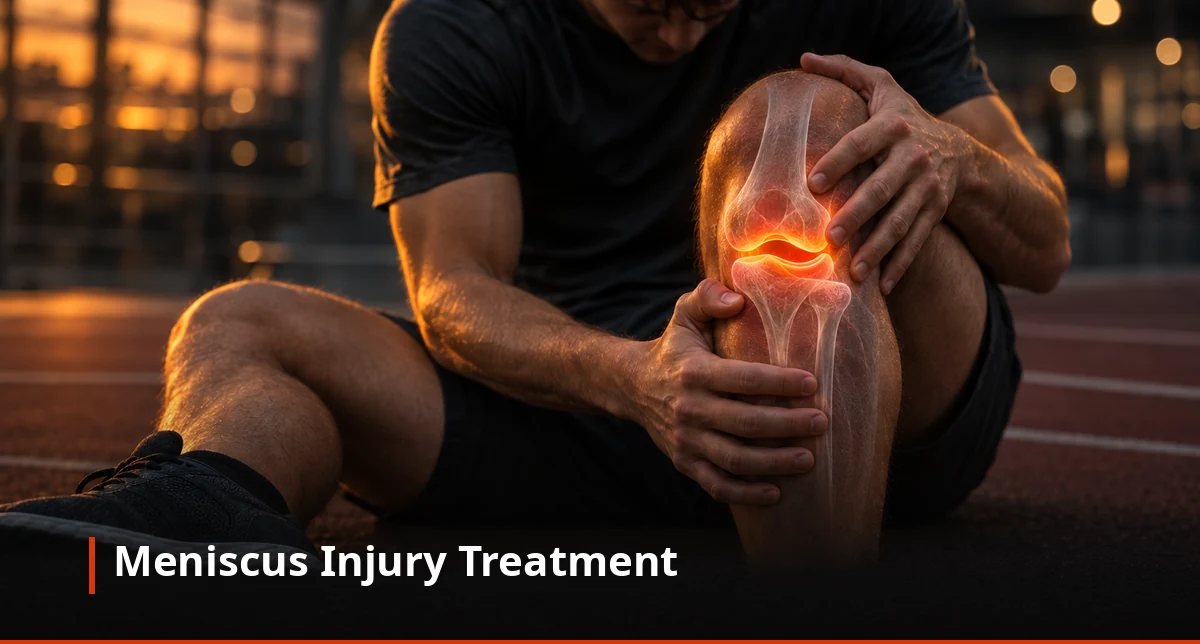
Knee pain that stops you mid-stride — whether during a morning jog, climbing stairs, or simply standing up — is not something to push through and ignore. Meniscus injury treatment is one of the most commonly sought orthopedic interventions today, and for good reason: the meniscus sits at the very center of how your knee functions, absorbs shock, and holds your body weight with every step you take.
At the clinic of Dr. Mohammed Ali Balharith, an orthopedic surgery and trauma consultant with extensive experience in knee conditions, patients receive a personalized diagnostic and treatment plan tailored to the exact nature and severity of their injury. Whether your case calls for conservative management or surgical intervention, the right specialist makes all the difference.
What Is the Meniscus?
The meniscus is a crescent-shaped piece of fibrocartilage located between the femur (thigh bone) and the tibia (shin bone) inside the knee joint. Each knee has two of them — one on the inner side and one on the outer side — and together they act as a cushioning and stabilizing system that distributes load across the joint surface evenly. Without this structure, bone would grind directly against bone, which is essentially what happens in advanced cases of knee roughness or cartilage degeneration.
Understanding the meniscus matters because many patients confuse it with other types of cartilage in the knee. It is a distinct anatomical structure, and injuries to it behave differently from, say, articular cartilage damage. The knee joint is one of the most mechanically complex among all the types of joints in the human body, and the meniscus is central to that complexity. Any disruption to it deserves proper medical evaluation — not a self-diagnosis based on a Google search.
What Are the Types of Meniscus?
There are two distinct menisci in each knee, and their differences are clinically important — especially when planning meniscus injury treatment.
First: The Medial Meniscus (Inner Meniscus)
The medial meniscus runs along the inner edge of the knee joint and is shaped like a C. It is larger and less mobile than its lateral counterpart, which actually makes it more vulnerable to injury. Because it is firmly attached to the medial collateral ligament and the joint capsule, it has less freedom of movement when the knee rotates suddenly or absorbs an unexpected impact. This anatomical constraint is why medial meniscus tears are more frequent — particularly in athletes who pivot, cut, or change direction rapidly.
Pain on the inner side of the knee, a feeling of locking or catching during movement, and swelling that develops hours after an injury are all classic signs pointing toward medial meniscus involvement. Patients describing this kind of discomfort at Dr. Mohammed Ali Balharith's clinic are typically assessed with a combination of physical examination tests and imaging to confirm the diagnosis.
Second: The Lateral Meniscus (Outer Meniscus)
The lateral meniscus occupies the outer compartment of the knee and is more circular in shape. It covers a larger portion of the tibial surface and is somewhat more mobile, giving it a degree of protection against tearing in everyday scenarios. That said, lateral meniscus tears are certainly not rare — they frequently occur alongside anterior cruciate ligament (ACL) injuries, which is why a thorough evaluation is always essential rather than assuming a single-structure injury.
Patients with lateral meniscus injuries often report pain on the outer aspect of the knee, particularly when fully bending or straightening the leg. This can overlap symptomatically with other causes of bone and joint pain in the body, so accurate diagnosis by a qualified knee specialist doctor is non-negotiable before any treatment begins.
The Vital Functions of the Meniscus
Here is the thing most people do not fully appreciate until something goes wrong: the meniscus is not just padding. It is an active functional structure that performs several jobs simultaneously. It distributes the compressive load across the knee joint, reducing peak stress on the articular cartilage surface. Without it, the contact pressure between bones increases dramatically, accelerating joint degeneration.
Beyond load distribution, the meniscus contributes meaningfully to knee stability. It deepens the socket of the tibial plateau, giving the rounded femoral condyle something to rest within — almost like a natural brace. It also plays a role in joint lubrication, helping synovial fluid spread evenly across cartilage surfaces during movement. Proprioception — the body's sense of joint position — is another function tied to meniscal nerve endings, which is why patients with untreated tears sometimes report their knee feeling unstable or unpredictable, especially on uneven surfaces.
Long-term neglect of a meniscus tear has real consequences. Over time, the loss of cushioning accelerates the degrees of knee roughness and arthritis, which is a far more complex problem to manage than the original tear. This is why early intervention matters.
Symptoms of a Meniscus Injury
Recognizing the warning signs early can prevent a manageable tear from becoming a chronic problem. The most commonly reported symptoms include:
- A sharp pain along the inner or outer joint line of the knee, often triggered immediately after a twist or impact
- Swelling that builds up gradually over the hours following the injury, rather than appearing instantly
- A feeling of stiffness that makes fully bending or straightening the knee difficult
- A mechanical locking sensation, where the knee temporarily gets stuck in a position and refuses to move
- A clicking, popping, or catching feeling with each step or during certain movements
- A sense of the knee giving way or feeling unreliable during weight-bearing activities
- Persistent discomfort when squatting, kneeling, or climbing stairs
Causes of Meniscus Injury
Understanding what causes a knee meniscus tear is the first step toward both treatment and prevention. The causes range from acute trauma to gradual wear, and they include:
- Sudden twisting or pivoting of the knee while the foot remains planted — the classic sports mechanism seen in football, basketball, and martial arts
- Deep squatting under heavy load, which generates extreme compressive and rotational force on the meniscal tissue
- Direct impact or trauma to the knee, as seen in road traffic accidents or falls — a common presentation at Dr. Mohammed Ali Balharith's orthopedic and trauma practice
- Age-related degeneration, where the meniscus becomes stiffer and more brittle over time, tearing even with minor everyday movements
- Repeated stress from occupational activities involving kneeling, squatting, or prolonged standing on hard surfaces
- Pre-existing joint conditions such as advanced knee roughness, which weakens the structural integrity of the meniscus over time
- Ligament injuries, particularly ACL tears, which destabilize the knee and place abnormal stress on the meniscus during recovery
Meniscus Injury Treatment Options
Not every tear requires surgery. The right approach to meniscus injury treatment depends on the type of tear, its location, the patient's age, activity level, and how well the tissue is likely to heal. Dr. Mohammed Ali Balharith evaluates all of these factors before recommending a course of action.
Conservative Treatment
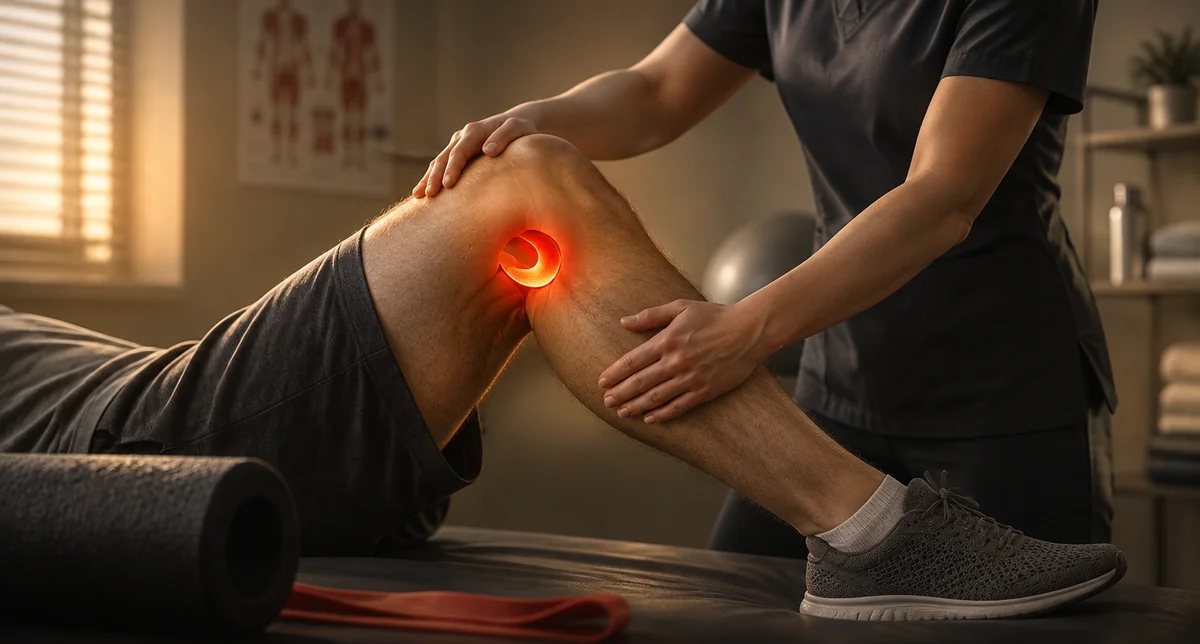
For partial tears or injuries affecting the outer third of the meniscus — a region with a relatively good blood supply — conservative management is often the first and most appropriate route. This typically involves a period of rest combined with anti-inflammatory medications to reduce swelling and pain. Physiotherapy follows, focusing on strengthening the muscles surrounding the knee to reduce the load placed on the healing tissue. Knee cartilage treatment through platelet-rich plasma (PRP) injections has also gained traction as an adjunct therapy, particularly in cases where natural healing needs biochemical support. Patients who follow a structured conservative program under proper supervision often return to full function without ever needing an operation.
Arthroscopic Surgical Treatment
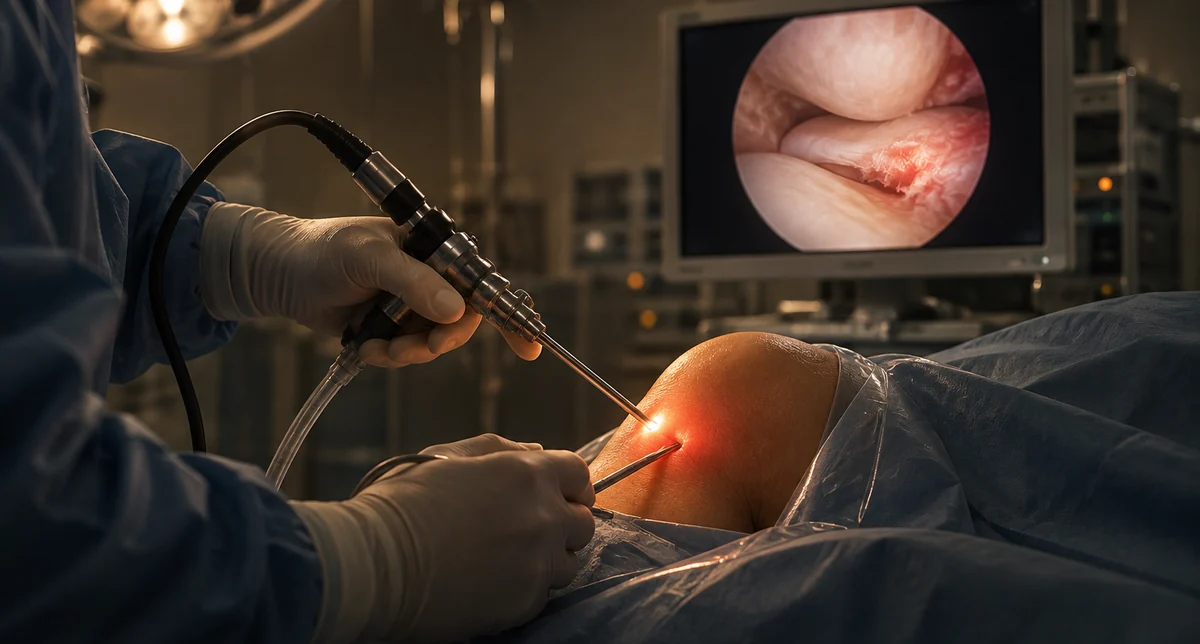
When conservative management fails, or when the tear is complex, large, or located in an area with poor blood supply, arthroscopic surgery becomes the recommended path. The best orthopedic consultant in Riyadh for this type of procedure will assess whether the tear can be repaired (sutured back together) or whether the damaged portion needs to be trimmed away — a procedure called a partial meniscectomy. Arthroscopy involves tiny incisions and a camera-guided approach, meaning recovery is generally far faster than traditional open surgery. Dr. Mohammed Ali Balharith performs these procedures with precision, and patients are typically mobilized within days of the operation. The goal is always to preserve as much healthy meniscal tissue as possible, since removing too much increases the long-term risk of joint degeneration.
Who Is the Right Specialist for Meniscus Surgery?
This is not a question to take lightly. The outcome of knee treatment — whether surgical or not — is directly tied to the expertise of the physician managing your care. A knee specialist doctor with a strong background in orthopedic surgery and trauma will not only diagnose the injury correctly but will also guide you through the decision-making process with honesty about realistic outcomes. Many patients searching for the best back doctor in Riyadh or the best orthopedic consultant in Riyadh eventually arrive at Dr. Mohammed Ali Balharith's practice for a range of musculoskeletal concerns, including knee conditions.
Dr. Mohammed Ali Balharith brings a comprehensive understanding of joint biomechanics, surgical technique, and post-operative rehabilitation to every case. Patients are not handed a generic plan — they receive an assessment that accounts for their lifestyle, their goals, and the specific anatomy of their injury. That level of individual attention is what separates a genuinely good outcome from a mediocre one.
Meniscus injury treatment depends on several factors, including the location and severity of the tear, the patient's age, and activity level. While many injuries can improve with conservative treatment and physiotherapy, others may require arthroscopic surgery to repair or remove the damaged tissue. Early diagnosis and proper medical evaluation are essential for choosing the right treatment and reducing the risk of long-term knee complications. If you are experiencing persistent knee pain, swelling, or restricted movement, consult Dr. Mohammed Ali Balharith for an accurate diagnosis and a personalized treatment plan.
Related
questions
Ready to talk
about your joint?
Dr. Mohammed Ali Balhareth — consultant orthopedic surgeon specializing in hip & knee replacement, reconstruction, and trauma surgery in Riyadh.
WHATSAPP THE CLINIC ↗Dr. Sulaiman Al Habib Medical Group — Al Hamra Hospital
Sun, Tue, Wed · 4:00–8:00 PM