Knee Osteoarthritis Grades
Understanding the grades of knee osteoarthritis is one of the most practical things a patient can do before walking into a doctor's office.
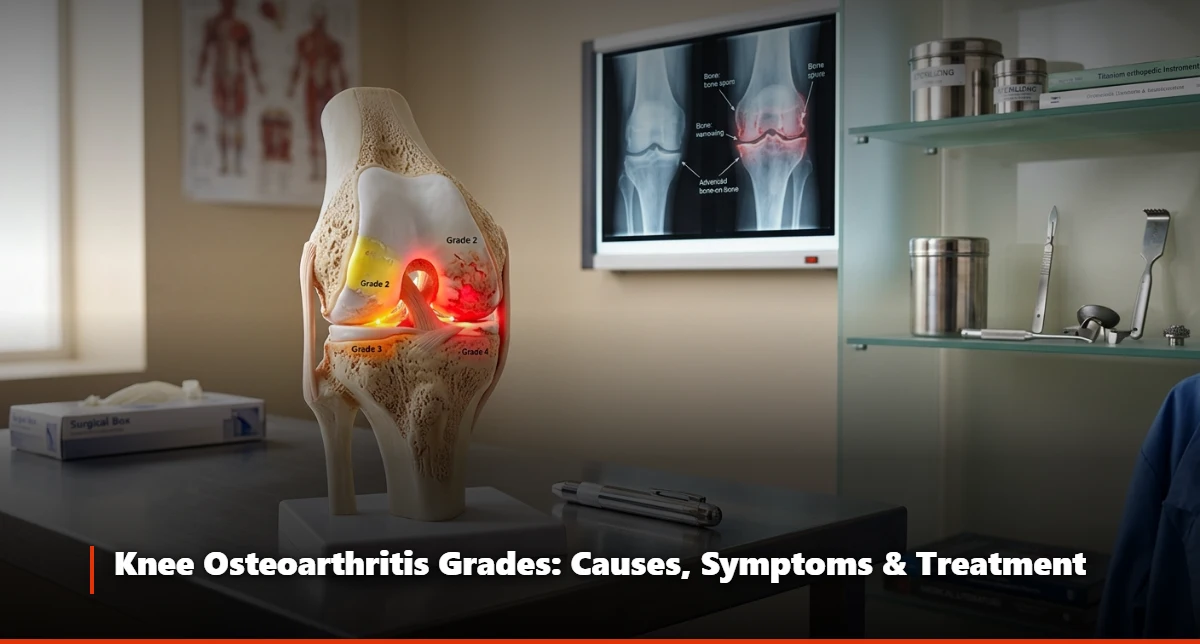
Understanding the grades of knee osteoarthritis is one of the most practical things a patient can do before walking into a doctor's office. The condition doesn't appear overnight — it progresses in defined, measurable stages, and knowing which stage you're at changes everything about how it gets managed. The grades of knee osteoarthritis determine the treatment path, the urgency of intervention, and the long-term prognosis for your joint.
For anyone dealing with knee pain that just won't quit, getting a clear clinical picture early is essential. Dr. Mohammed Ali Balharith, a consultant in orthopedic surgery and trauma, emphasizes that patients who understand their condition from the beginning tend to make better decisions and achieve significantly better outcomes. His work spans a wide spectrum of musculoskeletal conditions, and knee osteoarthritis is among the most common presentations he sees.
What Is Knee Osteoarthritis?
Knee osteoarthritis is a degenerative joint disease that affects the cartilage — the smooth, protective tissue that covers the ends of bones inside the knee joint. When cartilage breaks down, bones begin to rub against each other, causing pain, stiffness, swelling, and a gradual loss of function. What's interesting here is that many people think of it as an "old person's disease," but that's not entirely accurate. It can affect adults in their forties, especially those with a history of joint injury or excess body weight.
The knee is particularly vulnerable because it bears the full load of the body during almost every activity — walking, climbing stairs, even standing still. Over time, the cumulative stress chips away at cartilage integrity. Once cartilage is lost, the body cannot regenerate it naturally, which is why early detection and management are so critical.
What Causes Knee Osteoarthritis?
The causes of joint osteoarthritis are rarely a single factor. In most cases, it's a combination of mechanical, biological, and lifestyle elements that accumulate over years.
- Age-related wear and tear, as cartilage becomes less resilient with time
- Excess body weight, which multiplies the load placed on the knee joint with every step
- Previous knee injuries, including ligament tears, meniscus damage, or fractures near the joint
- Repetitive stress from occupations or sports that involve heavy kneeling, squatting, or impact
- Genetic predisposition, where a family history of osteoarthritis increases your risk
- Hormonal changes, particularly in postmenopausal women where estrogen loss affects joint health
- Muscle weakness around the knee, which forces the joint itself to absorb more stress than it should
- Structural abnormalities like bow legs or knock-knees that distribute weight unevenly across the cartilage
What Are the Symptoms of Knee Osteoarthritis?
Symptoms tend to creep in gradually, which is part of why people often dismiss them for months — sometimes years — before seeking help.
- A dull, aching pain inside or around the knee that worsens with activity and eases with rest
- Morning stiffness that typically lasts less than thirty minutes after waking
- Swelling around the joint, either persistent or episodic after physical activity
- A grinding, creaking, or clicking sensation when bending or straightening the knee
- Reduced range of motion — difficulty fully bending or straightening the leg
- Tenderness along the joint line when pressing the area
- A feeling of the knee "giving way" or becoming unstable during movement
- Visible changes in the shape of the knee as the disease advances, due to bone spur formation
What Are the Grades of Knee Osteoarthritis?
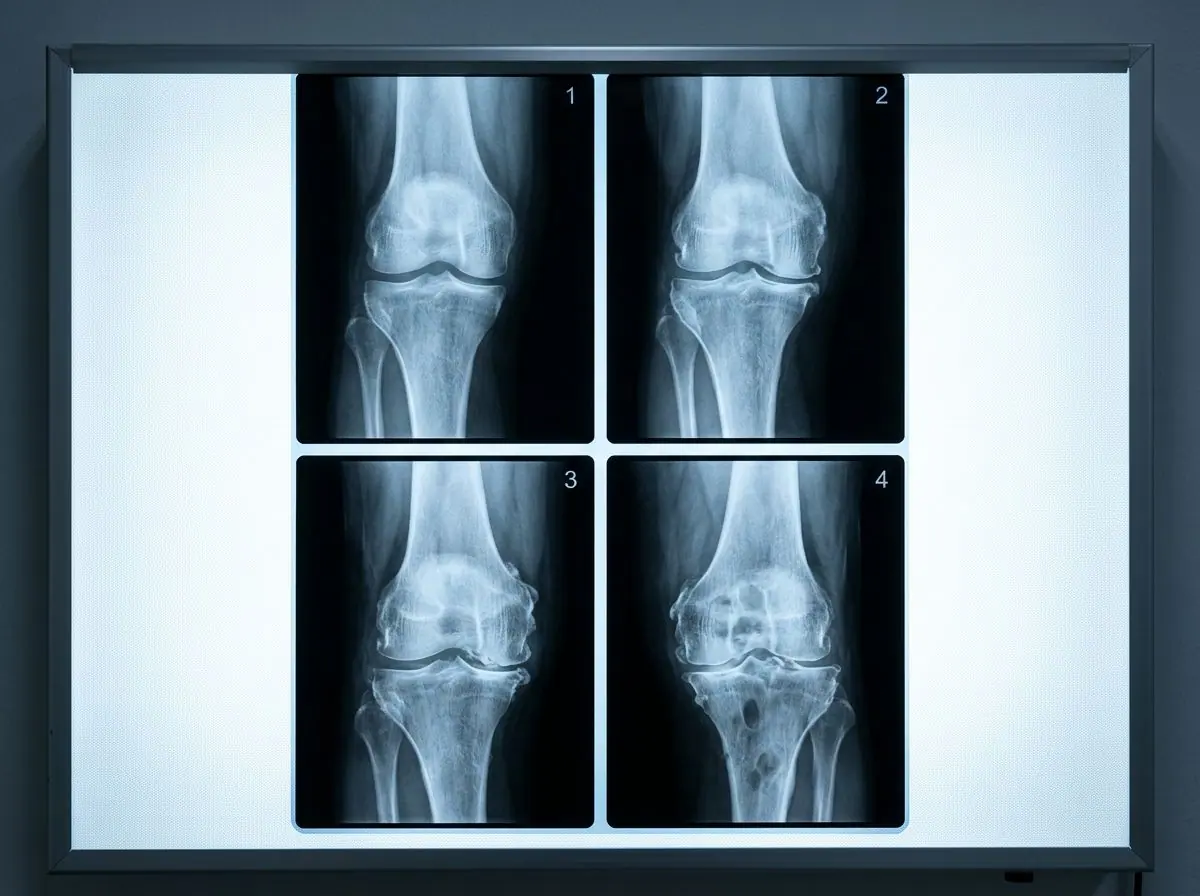
The grades of knee osteoarthritis are most commonly classified using the Kellgren-Lawrence scale, which runs from zero to four based on imaging findings and clinical presentation.
- Grade 0 — Normal: No signs of osteoarthritis. The joint space is intact and cartilage is healthy.
- Grade 1 — Doubtful: Very minor changes are visible on X-ray, including possible minor bone spur formation. Most patients experience no symptoms at this stage.
- Grade 2 — Mild: Bone spurs become more definite. The joint space may appear slightly narrowed. Patients often begin experiencing occasional pain after prolonged activity.
- Grade 3 — Moderate: Significant cartilage loss is evident, with clear joint space narrowing, multiple bone spurs, and possible bone surface changes. Pain becomes more consistent and can interfere with daily activities.
- Grade 4 — Severe: The joint space is severely or completely reduced, bone-on-bone contact is present, and the structural damage is extensive. This grade is associated with significant disability and persistent pain even at rest.
How Is the Grade of Knee Osteoarthritis Diagnosed?
Accurate grading requires a combination of clinical assessment and imaging. A consultant like Dr. Mohammed Ali Balharith uses a structured diagnostic process to determine not just the grade, but also the functional impact on each individual patient.
- Clinical examination: Assessment of pain location, joint line tenderness, range of motion, muscle strength, and gait pattern
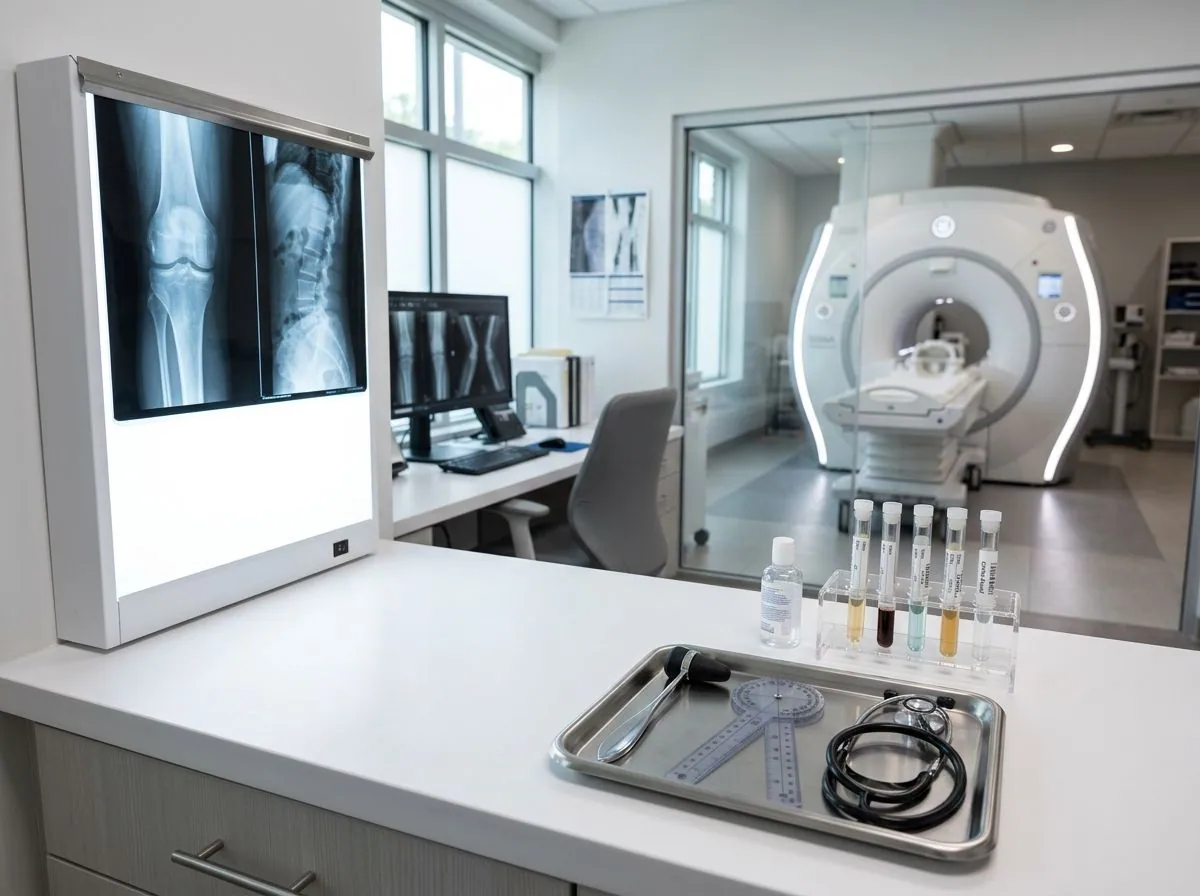
- Weight-bearing X-rays: The primary imaging tool for grading — taken while the patient stands to reflect the true load on the joint
- MRI scan: Provides detailed views of cartilage, ligaments, and soft tissue, particularly useful in early stages where X-rays may appear normal
- Ultrasound: Helpful for detecting joint effusion (fluid) and guiding injections
- Blood tests: Used to rule out inflammatory arthritis such as rheumatoid arthritis, which requires a different treatment approach
- CT scan: Sometimes used pre-operatively to assess bone structure before joint replacement planning
Do Symptoms Differ by Grade?
Here's the thing — the relationship between grade and symptoms isn't always linear, and this surprises many patients. Some people with Grade 2 osteoarthritis report severe pain, while others with Grade 3 changes function remarkably well. The grade reflects what's happening structurally inside the joint; it doesn't always predict the intensity of what the patient experiences.
That said, as a general rule, higher grades tend to correlate with more persistent and severe symptoms. Grade 1 is often entirely silent. Grade 2 typically brings intermittent discomfort after exercise or long periods of standing. By Grade 3, pain becomes a regular companion — stairs, prolonged walking, and rising from a chair all become noticeably harder. Grade 4 often involves constant pain, severe stiffness, and measurable changes in how a person walks and moves through daily life.
The subjective experience of pain also depends on factors like mental health, sleep quality, body weight, and the strength of surrounding muscles. This is why treatment of knee osteoarthritis must always be personalized rather than purely based on imaging findings.
Treating Knee Osteoarthritis According to Grade
Knee osteoarthritis treatment is graded just as the condition is — what works at Stage 1 is not what's needed at Stage 4.
- Grade 1 and 2: Lifestyle modification including weight loss, low-impact exercise, and physical therapy. Anti-inflammatory medications and topical treatments for symptom relief. Patient education on joint protection strategies.
- Grade 2 and 3: Intra-articular injections — either corticosteroids for acute inflammation or hyaluronic acid for joint lubrication. Customized physiotherapy programs to strengthen the quadriceps and surrounding musculature.
- Grade 3: Platelet-rich plasma (PRP) therapy may be considered to slow progression and reduce inflammation. Knee bracing to offload the affected compartment.
- Grade 3 and 4: Surgical evaluation becomes relevant. Arthroscopic procedures may help in select cases, though evidence is mixed for pure osteoarthritis.
- Grade 4: Total or partial knee replacement surgery is typically the most effective long-term solution when conservative measures have been exhausted and quality of life is significantly impaired.
When Does Knee Osteoarthritis Require Surgery?
Surgery is never the first answer — but sometimes it becomes the clearest path forward. The threshold for surgical intervention depends on several converging factors, not just the imaging grade. Dr. Mohammed Ali Balharith, as an orthopedic surgery and trauma consultant, evaluates each patient holistically before any surgical recommendation is made.
Generally, surgery becomes a serious consideration when conservative treatments have been consistently applied for at least six to twelve months without meaningful improvement, when pain is constant and interfering with sleep and basic daily function, and when X-rays confirm Grade 3 or Grade 4 structural damage. The patient's overall health, age, activity level, and expectations also play a significant role in surgical planning.
Partial knee replacement is an option when only one compartment of the joint is damaged. Total knee replacement becomes necessary when all three compartments are affected. Both procedures, when performed by an experienced orthopedic consultant, carry high success rates and can dramatically restore mobility and quality of life.
Can Early-Stage Knee Osteoarthritis Be Treated Without Surgery?
Absolutely — and this is genuinely good news for anyone caught at Grade 1 or Grade 2. Non-surgical knee osteoarthritis treatment at these stages is not just possible; it's often highly effective. The goal is twofold: manage current symptoms and slow the rate of progression.
Most people overlook the power of structured exercise at this stage. Strengthening the quadriceps reduces the load transmitted through the knee joint itself, which is a mechanical advantage that no medication can fully replicate. Paired with weight management, this approach can meaningfully reduce pain and delay the need for any procedural intervention by years, sometimes indefinitely.
Dietary anti-inflammatory approaches, joint supplements like glucosamine and chondroitin (with variable but sometimes helpful evidence), and targeted physical therapy all contribute to a conservative management plan. The key is consistency — sporadic effort produces sporadic results.
Can the Progression of Knee Osteoarthritis Be Stopped?
This is one of the most common questions patients ask, and the honest answer is nuanced. Progression cannot always be fully stopped, but it can almost always be slowed — sometimes significantly. Addressing the causes of joint osteoarthritis is the most logical starting point: reduce weight if relevant, manage activity load intelligently, and keep the surrounding musculature strong.
Emerging treatments like PRP and stem cell therapy are showing promise in early research for modifying disease progression, though they are not yet standard of care and results vary. What the evidence does support clearly is that active management — as opposed to passive waiting — produces better long-term outcomes across all grades. Patients who engage with rehabilitation, modify their lifestyle, and follow up regularly with their orthopedic consultant consistently fare better than those who ignore symptoms until the damage becomes severe.
Tips for Reducing Knee Osteoarthritis Symptoms and Protecting the Joint
- Maintain a healthy body weight — even a modest reduction of five to ten percent significantly lowers joint load
- Engage in low-impact exercise such as swimming, cycling, or walking on flat surfaces at least three times per week
- Strengthen the quadriceps and hamstrings through targeted exercises prescribed by a physiotherapist
- Avoid prolonged kneeling, squatting, or sitting with the knee deeply bent for extended periods
- Use supportive footwear and consider orthotics if biomechanical imbalances have been identified
- Apply heat or cold therapy as needed — heat for stiffness, cold for swelling after activity
- Take prescribed anti-inflammatory medications only as directed and avoid long-term unsupervised use
- Attend regular follow-up appointments to monitor progression and adjust your management plan accordingly
Knee osteoarthritis is a progressive condition, but it is far from hopeless. Understanding the grades of knee osteoarthritis gives patients real power — the power to make informed decisions, pursue the right treatments at the right time, and protect their joint health for the long term. Whether you're at Grade 1 wondering what comes next, or at Grade 4 exploring surgical options, the right guidance makes all the difference. Dr. Mohammed Ali Balharith, consultant in orthopedic surgery and trauma, offers experienced, evidence-based care for every stage of this condition. If knee pain is affecting your daily life, don't wait for it to get worse — reach out and take the first step toward a clear diagnosis and a better path forward.
Related
questions
Ready to talk
about your joint?
Dr. Mohammed Ali Balhareth — consultant orthopedic surgeon specializing in hip & knee replacement, reconstruction, and trauma surgery in Riyadh.
WHATSAPP THE CLINIC ↗Dr. Sulaiman Al Habib Medical Group — Al Hamra Hospital
Sun, Tue, Wed · 4:00–8:00 PM