Shin Bone Swelling
Shin bone swelling is one of those complaints that people tend to brush off for far too long — until it becomes genuinely difficult to walk, stand, or get through a normal day. The tibia, which is the large bone running down the front of your lower leg, carries an enormous amount of mechanical load with every step you take.
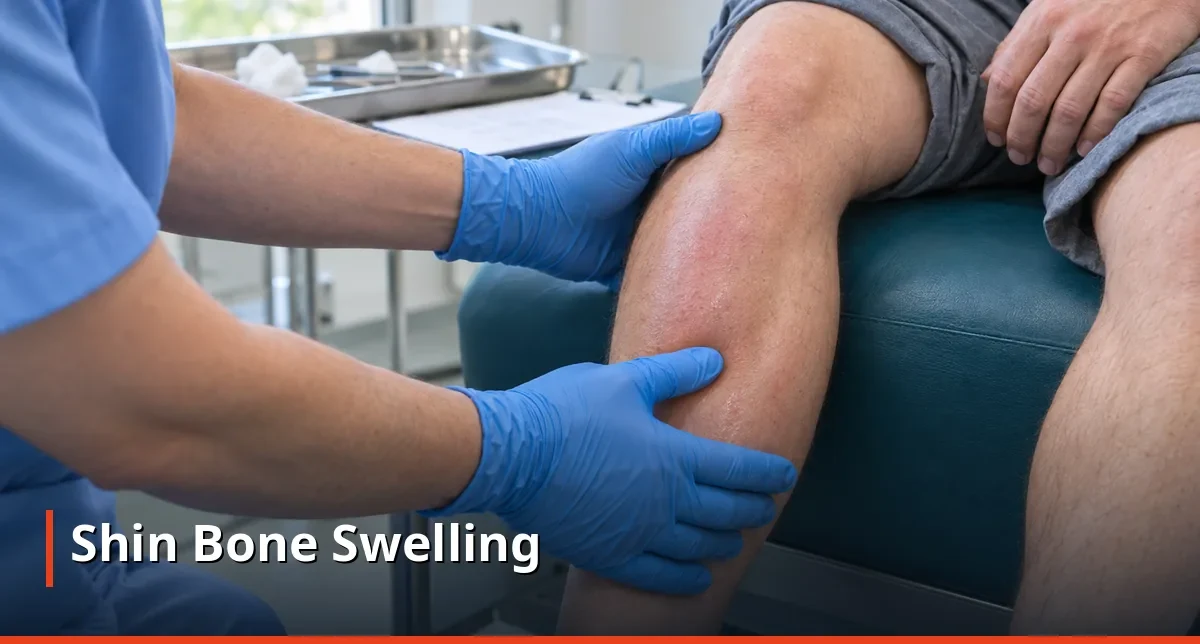
Shin bone swelling is one of those complaints that people tend to brush off for far too long — until it becomes genuinely difficult to walk, stand, or get through a normal day. The tibia, which is the large bone running down the front of your lower leg, carries an enormous amount of mechanical load with every step you take. When swelling develops around that structure, it signals that something worth paying attention to is going on beneath the surface.
Understanding the real reasons behind shin bone swelling can be the difference between a quick recovery and a condition that lingers for months. At Dr. Mohammed Ali Al-Harith Clinic, led by a specialist in orthopedic surgery and trauma, patients dealing with leg pain and swelling receive a thorough, evidence-based evaluation rather than a rushed diagnosis. Getting to the right answer early genuinely matters.
Causes of Shin Bone Swelling
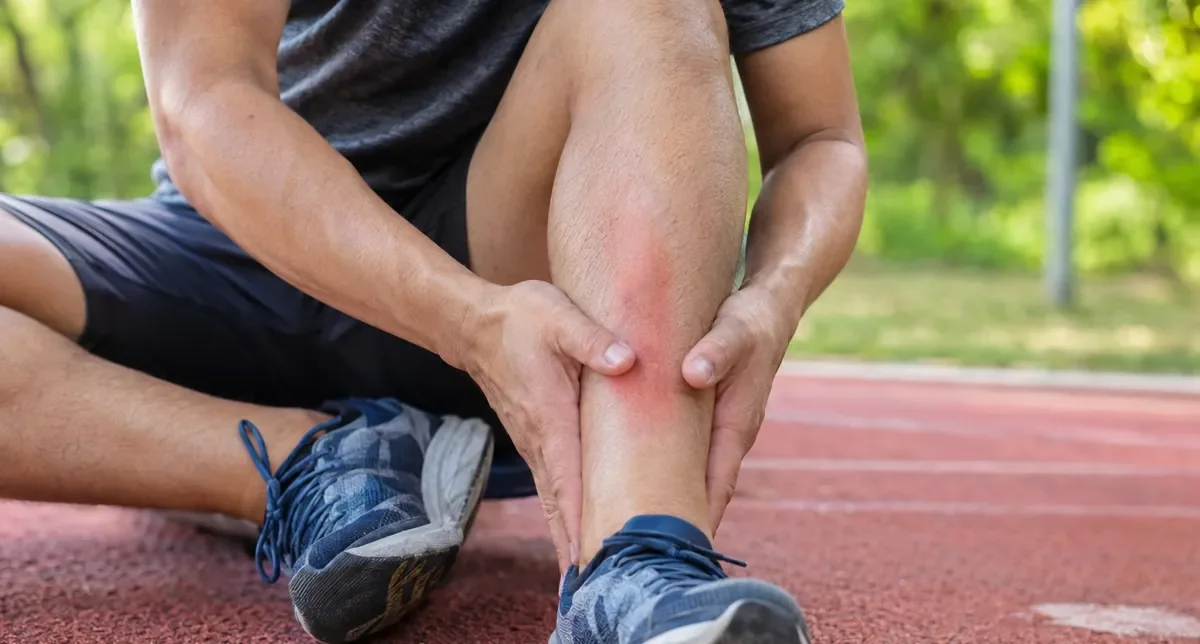
The most frequent culprit behind shin bone swelling in active individuals is a condition called medial tibial stress syndrome — what most people know as shin splints. This occurs when the muscles, tendons, and bone tissue around the tibia become overloaded, typically from repetitive impact activities like running or jumping on hard surfaces. The periosteum, which is the thin layer of tissue covering the bone, becomes inflamed and irritated, producing that familiar dull ache along the inner edge of the shin.
Beyond overuse, direct trauma is another significant trigger. A blow to the lower leg — whether from a sports collision, a fall, or an accident — can cause localized swelling of the leg bones that takes days or even weeks to fully resolve. In more serious cases, hairline stress fractures in the tibia can develop gradually from repeated mechanical stress, and these are particularly common in long-distance runners who increase their mileage too quickly. What's interesting here is that a stress fracture can feel almost identical to shin splints at first, yet the treatment approaches are very different. Conditions like early cartilage degeneration, ankle ligament tears, and even referred pain from a knee meniscus tear can all contribute to discomfort and swelling that seems centered on the shin.
Circulatory and lymphatic issues round out the picture. Chronic venous insufficiency, deep vein thrombosis, and localized infections like cellulitis can all produce swelling along the leg bones that has nothing to do with the bone itself. This is why accurate diagnosis is so important — treating the wrong cause simply delays real recovery.
Symptoms of Shin Bone Pain
- A persistent, aching pain along the front or inner border of the shin bone that worsens during or after physical activity.
- Visible or palpable swelling over the tibia, sometimes accompanied by warmth and redness in the skin above the affected area.
- Sharp, localized tenderness when pressing directly on the shin bone — a key sign that distinguishes a stress fracture from general muscle soreness.
- Stiffness in the lower leg, particularly noticeable in the morning or after sitting still for extended periods.
- A gradual worsening of leg pain that begins as a mild irritation but escalates to the point where it interferes with daily walking.
- In more severe cases, numbness or tingling in the foot, which may indicate nerve involvement or compartment syndrome requiring urgent attention.
- Swelling that does not improve with rest and elevation, suggesting a vascular or systemic cause rather than a purely mechanical one.
Treatment of Shin Bone Pain
The first priority in treating shin bone pain is identifying its precise origin. Rest is almost always part of the initial plan — but rest does not mean total inactivity. Modifying the activity load, switching from high-impact to low-impact exercise like swimming or cycling, allows the tibia and surrounding soft tissue to recover without losing overall fitness. Ice applied to the swollen area for 15 to 20 minutes several times daily helps manage acute inflammation in the early stages.
Physical therapy plays a central role in lasting recovery. A skilled therapist will assess your gait mechanics, foot alignment, and muscle imbalances that may have contributed to the problem in the first place. Strengthening the calf muscles, hip stabilizers, and ankle supporting structures reduces the mechanical load that the shin bone has to absorb. For patients dealing with ankle ligament tears alongside tibial pain, targeted rehabilitation is essential before returning to sport.
When conservative measures are not delivering results, surgical options may come into consideration. A consultant in orthopedic surgery and trauma — like those at Dr. Mohammed Ali Al-Harith Clinic — can evaluate whether surgical intervention, such as fasciotomy for compartment syndrome or fixation for a complete stress fracture, is warranted. Treatment of meniscal cartilage injuries in the knee that are altering the way a patient walks can also indirectly relieve shin bone stress. The right treatment plan is always specific to the individual, not a generic protocol.
How Is Shin Swelling Diagnosed?
Diagnosis begins with a detailed clinical history. The orthopedic specialist will ask about the onset of symptoms, the nature of your physical activities, any recent changes in training volume, and whether the pain came on gradually or suddenly. This conversation alone often narrows the differential diagnosis considerably before any imaging is ordered.
Physical examination follows — the doctor will palpate along the length of the tibia to locate the precise point of maximum tenderness, assess range of motion in the ankle and knee, and check for any neurovascular compromise in the foot. This hands-on step is something no imaging technology replaces. From there, X-rays can rule out obvious fractures, while MRI provides the clearest view of stress reactions in the bone, soft tissue swelling, and any involvement of the knee or ankle structures. Blood tests may be requested if an infection or systemic inflammatory condition is suspected. At Dr. Mohammed Ali Al-Harith Clinic, the diagnostic process is structured so that nothing is guessed — every finding is confirmed before treatment begins.
Tips to Reduce Shin Swelling
- Elevate your leg above heart level whenever you're resting — this encourages excess fluid to drain away from the swollen area.
- Apply a compression bandage to the lower leg during activity to support the tissues and limit fluid accumulation.
- Avoid running or jumping on hard concrete surfaces; switch to grass, a track, or a treadmill with shock absorption.
- Replace worn-out footwear — shoes that have lost their cushioning significantly increase the impact forces transmitted through the shin bone.
- Gradually increase training intensity rather than jumping to higher distances or loads too quickly.
- Stay well hydrated throughout the day, as dehydration can increase muscle cramping and slow tissue recovery.
- Include calf-stretching and strengthening exercises in your daily routine to distribute mechanical load more evenly across the leg.

What Are the Risk Factors for Leg Pain?
- Participating in high-impact sports without adequate conditioning or progressive training plans.
- Having flat feet or high arches, both of which alter tibial loading patterns significantly.
- A history of ankle ligament tears or knee meniscus injuries that change how a person walks or runs.
- Being overweight, which multiplies the compressive forces placed on the leg bones with every step.
- Vitamin D and calcium deficiency, which weakens bone density and makes stress fractures more likely.
- A sedentary lifestyle followed by sudden bursts of intense activity — a pattern that almost guarantees injury.
Causes of Leg Swelling in Women
- Hormonal fluctuations during the menstrual cycle, which cause the body to retain fluid in the lower limbs.
- Pregnancy, which increases blood volume, slows venous return from the legs, and places added weight on the lower extremities.
- Use of hormonal contraceptives or hormone replacement therapy, both of which can promote fluid retention.
- Varicose veins, which are more prevalent in women and impair efficient blood flow back toward the heart.
- Prolonged periods of standing at work, which forces the circulatory system to work harder against gravity.
- Lymphedema following surgical procedures in the pelvic or abdominal region, which disrupts normal lymphatic drainage to the legs.
When Is Shin Bone Swelling Dangerous?
Most cases of shin bone swelling are benign and resolve with proper care. But certain warning signs demand urgent medical attention and should never be waited out at home. If the swelling is severe, comes on suddenly, and is accompanied by redness, skin warmth, and fever, a deep vein thrombosis or serious infection may be the cause — both of which are medical emergencies.
Here's the thing most people don't realize: a complete tibial stress fracture, if missed, can progress to a full-bone break that requires surgery and months of recovery. If shin bone swelling is accompanied by the inability to bear any weight on the leg, sharp pain with every step, or visible deformity, an X-ray or MRI should happen that day — not next week. Compartment syndrome is another acute emergency where pressure within the muscle compartments of the lower leg cuts off blood supply; the pain is severe, constant, and not relieved by rest.
Any swelling that has been present for more than two to three weeks without clear improvement, or that keeps returning despite rest, deserves a professional orthopedic evaluation. Early intervention almost always leads to better outcomes than waiting.
Shin bone swelling should never be ignored, especially when accompanied by persistent pain, redness, warmth, or difficulty walking. While some cases result from overuse or minor injuries, others may indicate stress fractures, circulation problems, or conditions requiring urgent medical attention. Identifying the underlying cause through an accurate orthopedic evaluation is essential for choosing the right treatment and preventing further complications. Seeking professional care early can help you recover safely and return to your normal activities with greater confidence.
Related
questions
Ready to talk
about your joint?
Dr. Mohammed Ali Balhareth — consultant orthopedic surgeon specializing in hip & knee replacement, reconstruction, and trauma surgery in Riyadh.
WHATSAPP THE CLINIC ↗Dr. Sulaiman Al Habib Medical Group — Al Hamra Hospital
Sun, Tue, Wed · 4:00–8:00 PM